Abstract: The genus Apterodela represents a distinctive group of flightless tiger beetles (Cicindelidae) characterized by large body size, reduced wings, and remarkable adaptations to terrestrial life. Recent taxonomic revisions have elevated Apterodela to full generic status and recognized two subgenera containing eight species distributed across East Asia and eastern North America. This article reviews the systematics, biology, distribution, and ecology of these fascinating beetles, highlighting their evolutionary significance and conservation importance.
The genus Apterodela was originally established by Rivalier in 1950 as a subgenus of Cylindera, with Cicindela ovipennis Bates, 1883 designated as the type species. The name Apterodela derives from Greek roots meaning “wingless,” reflecting the most conspicuous characteristic of these beetles. For decades, Apterodela was treated as a subgenus within the large and taxonomically complex genus Cylindera. However, molecular phylogenetic studies conducted by Sota and colleagues in 2011, combined with morphological evidence, demonstrated that Apterodela forms a monophyletic clade distinct from other Cylindera lineages. This finding, coupled with the documented polyphyly of Cylindera, led to the elevation of Apterodela to full generic status in recent systematic treatments.
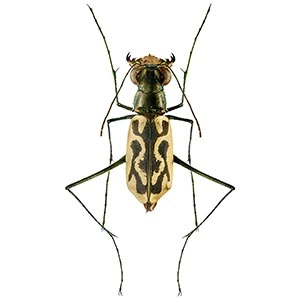
Apterodela kazantsevi
Current Taxonomy
A comprehensive revision published by Matalin, Wiesner, Xiong, and Araki in 2024 recognized two subgenera within Apterodela. The nominate subgenus Apterodela sensu stricto currently includes seven species: A. ovipennis from Japan, A. bivirgulata with two subspecies from eastern and central China, A. lobipennis from central China, A. kazantsevi from southeastern China, A. latissima from Yunnan Province, and A. alopecomma from Sichuan Province. The newly established subgenus Protoapterodela contains two species: A. shirakii from Taiwan and A. unipunctata from the eastern United States, representing a remarkable biogeographic disjunction between East Asia and North America.
Diagnostic Features
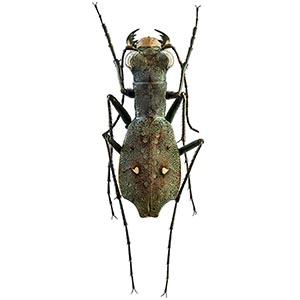
Members of the genus Apterodela are distinguished from other tiger beetles by several key morphological characters. They are relatively large beetles, typically ranging from 14 to 18 millimeters in body length, making them among the larger representatives of the Cicindelidae. The most distinctive feature is their vestigial or greatly reduced wings, rendering all species flightless. The elytra exhibit characteristic structural modifications, including poorly concave or nearly flat elytral discs, sloping shoulders, and a distinct subapical sinuation. The pronotum is characteristically longitudinal with straight sides that converge toward the base. The labrum is transverse and typically four-setose. Coloration varies among species but generally includes metallic bronze, coppery, or greenish hues on the dorsal surface, with variable pale maculation patterns on the elytra.
Bionomics and Mode of Life
Morphological Adaptations to Flightlessness
The evolution of flightlessness in Apterodela represents a significant life history adaptation associated with habitat specialization. Phylogenetic evidence suggests that flightlessness evolved independently in tiger beetles multiple times, often in association with stable and isolated habitats. In Apterodela, the loss of flight capability is accompanied by several compensatory adaptations. The beetles possess robust, well-developed legs adapted for rapid terrestrial locomotion. The body structure has become more heavily sclerotized, possibly providing enhanced protection in the absence of escape-by-flight behaviors. These morphological modifications reflect a fundamental shift in predator avoidance strategies and foraging ecology.
Life Cycle and Development
Ecological studies of Apterodela ovipennis in Japan have provided insights into the life history of these beetles. Research by Matsumoto published in 2021 documented aspects of the ecology and life cycle of this species over multiple seasonal periods. Like other tiger beetles, Apterodela species are predaceous throughout their life cycle. Adults are active hunters that pursue prey on the ground surface, while larvae construct vertical burrows in suitable substrate and ambush passing arthropods. The larval development period appears to be extended, possibly spanning multiple years, though detailed life cycle data remain limited for most species. Adult beetles are primarily diurnal hunters, though some flightless tiger beetle genera show crepuscular or nocturnal activity patterns.
Biogeographic Implications
Molecular phylogenetic analyses using mitochondrial and nuclear DNA sequences have revealed important insights into the evolutionary history and biogeography of Apterodela. The divergence among endemic species in Taiwan, Japan, and mainland Asia occurred during the Pliocene epoch, approximately 2.1 to 4.7 million years ago. This ancient divergence is consistent with the flightlessness of these beetles, as limited dispersal capability would promote geographic isolation and speciation. The phylogenetic evidence suggests that dispersal of Apterodela ancestors occurred across extended landmasses in East Asia during periods of lower sea levels in the Pliocene, when land bridges connected what are now isolated islands. The presence of Apterodela unipunctata in eastern North America represents an intriguing biogeographic puzzle, possibly reflecting ancient Laurasian connections or long-distance dispersal events in the evolutionary past of the lineage.
Distribution
Geographic Range
The genus Apterodela exhibits a distinctive disjunct distribution pattern spanning East Asia and eastern North America. In Asia, the genus reaches its greatest diversity in China, with species distributed across multiple provinces including Yunnan, Sichuan, Hubei, Jiangxi, Jiangsu, Zhejiang, Shaanxi, Henan, Shanxi, Gansu, Qinghai, and Inner Mongolia. Apterodela ovipennis is endemic to Japan, where it occurs across Honshu and other main islands, with historical records extending to Hokkaido. Apterodela shirakii is restricted to the mountainous regions of Taiwan. The single North American representative, Apterodela unipunctata, occurs in forested regions of the eastern United States, with documented records from Tennessee, Virginia, West Virginia, and surrounding states in the Appalachian region.
Altitudinal Distribution
Many Apterodela species occupy montane or submontane habitats, with some species recorded at elevations ranging from 700 to 1000 meters above sea level. This altitudinal preference may reflect both climatic requirements and the availability of suitable stable forest habitats at mid-elevations. The restriction of several species to mountain systems underscores their limited dispersal capability and vulnerability to habitat fragmentation.
Preferred Habitats
Forest Floor Environments
Apterodela species are characteristically associated with stable forest floor habitats in temperate and subtropical regions. Unlike many tiger beetles that inhabit open, sunny habitats such as sandy shores, salt flats, or grasslands, Apterodela species have adapted to the shaded conditions of forest understories. This habitat preference is consistent with hypotheses linking flightlessness in tiger beetles to habitat stability and permanence. Forest floor environments provide relatively constant microclimatic conditions, reduced temperature extremes, and stable substrate characteristics that favor sedentary predators with limited dispersal capability.
Substrate Requirements
The specific substrate requirements of Apterodela species appear to vary among taxa, but generally involve relatively firm, well-drained soils with adequate organic matter content. These substrate conditions are necessary both for adult foraging activities and for larval burrow construction. The larvae require soil that maintains burrow integrity while allowing excavation, typically a balance between cohesiveness and workability. Some species may show preferences for specific soil types or forest floor characteristics, though detailed ecological studies are lacking for most taxa.
Conservation Implications
The specialized habitat requirements and limited dispersal capability of Apterodela species render them potentially vulnerable to habitat loss and fragmentation. Forest clearing, alteration of forest floor conditions through intensive forestry practices, and climate change all pose potential threats to these species. The endemic nature of several species, particularly those restricted to isolated mountain systems or islands, heightens conservation concerns. However, the conservation status of most Apterodela species has not been formally assessed, and population data are generally lacking. The documentation of new species and subspecies in the recent revision underscores both the incompleteness of our knowledge and the importance of continued survey efforts in potential habitat areas.
Scientific Literature Citing the Genus
Primary Taxonomic Works
Rivalier, E. 1950. Demembrement du genre Cicindela Linne (Travail preliminaire limite a la faune palearctique). Revue Francaise d’Entomologie 17: 217-244.
Matalin, A.V., J. Wiesner, X. Xiong, and T. Araki. 2024. Revision of the genus Apterodela Rivalier, 1950 (Coleoptera, Cicindelidae). Zootaxa 5405: 301-353.
Matalin, A.V. 2001. A new Cylindera Westwood, 1831 species of the subgenus Apterodela Rivalier, 1950 from China (Coleoptera, Carabidae, Cicindelinae). Russian Entomological Journal 10: 385-388.
Molecular Phylogenetics and Biogeography
Sota, T., H. Liang, Y. Enokido, and M. Hori. 2011. Phylogeny and divergence time of island tiger beetles of the genus Cylindera (Coleoptera: Cicindelidae) in East Asia. Biological Journal of the Linnean Society 102: 715-727.
Duran, D.P. and H.M. Gough. 2022. A new genus of tiger beetle (Coleoptera: Cicindelidae) from the Nearctic and Neotropical realms. Zootaxa 5175: 293-299.
Natural History and Ecology
Matsumoto, Y. 2021a. The ecology and life cycle of the tiger beetle Apterodela ovipennis (1). Insects and Nature 56: 26-29. [In Japanese]
Matsumoto, Y. 2021b. The ecology and life cycle of the tiger beetle Apterodela ovipennis (2). Insects and Nature 56: 25-28. [In Japanese]
Matsumoto, Y. 2021c. The ecology and life cycle of the tiger beetle Apterodela ovipennis (3). Insects and Nature 56: 29-31. [In Japanese]
Sasakawa, K. 2008. Geographical variation of the flightless tiger beetle Cylindera ovipennis (Bates, 1883) (Coleoptera, Carabidae, Cicindelinae): an approach using male genital morphology. Biogeography 10: 103-105.
Regional Faunal Works
Shook, G. and J. Wiesner. 2006. A list of the tiger beetles of China (Coleoptera: Cicindelidae). Fauna of China 5: 5-26.
Shook, G. and X.-Q. Wu. 2007. Tiger beetles of Yunnan. Yunnan Publishing Group Corporation, Yunnan Science and Technology Press, Kunming. 199 pp.
Putchkov, A.V. and A.V. Matalin. 2017. [Reference to comprehensive treatment of tiger beetle fauna including Apterodela species].
Morphological and Systematic Studies
Bates, H.W. 1883. Supplement to the geodephagous Coleoptera of Japan, chiefly from the collection of Mr. George Lewis, made during his second visit, from February 1880 to September 1881. Transactions of the Royal Entomological Society of London 1883: 205-290.
Bates, H.W. 1888. On some new species of Coleoptera from Kiu-Kiang. Proceedings of the Scientific Meeting of the Zoological Society of London 56: 380-383.
Horn, W. 1927. [Original description of Cicindela shirakii, later transferred to Apterodela].
Fairmaire, M.L. 1889. Coleopteres de l’interieur de la Chine. Annales de la Societe Entomologique de France, Serie 6, 9: 5-84.
Conclusion
The genus Apterodela represents a fascinating example of evolutionary adaptation within the Cicindelidae, demonstrating how the loss of flight capability can accompany specialization to stable forest floor habitats. The recent taxonomic revision has clarified the systematic position of these beetles and described new taxa, but many aspects of their biology, ecology, and conservation status remain poorly understood. Future research should focus on detailed life history studies, population genetics, and habitat requirements to inform conservation strategies for these distinctive and potentially vulnerable beetles. The biogeographic disjunction between Asian and North American species invites further phylogenetic investigation to resolve the evolutionary history and dispersal patterns of this remarkable lineage.
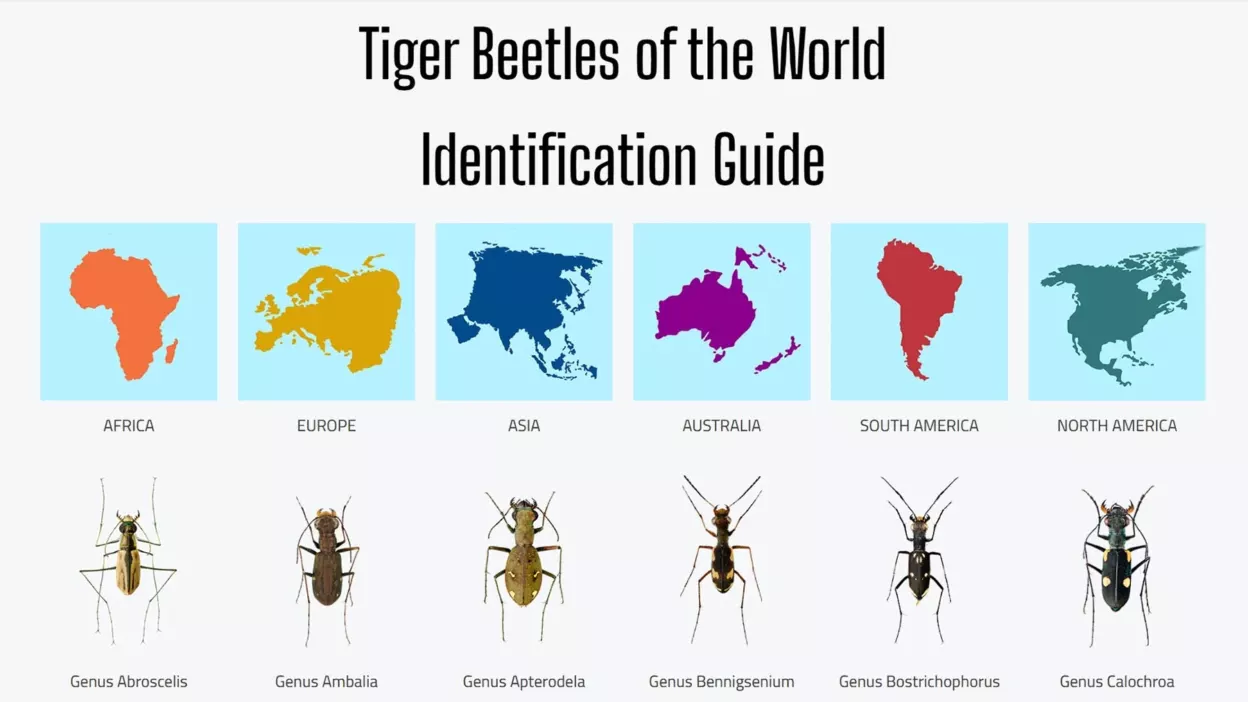
The genus Abroscelis Hope, 1838 belongs to the family Cicindelidae, commonly known as tiger beetles. Within the systematic hierarchy, this genus is classified as follows:
The genus Abroscelis was established by Frederick William Hope in 1838 in his work “The Coleopterist’s Manual, Part the Second, Containing the Predaceous Land and Water Beetles of Linnaeus and Fabricius,” published in London by Henry G. Bohn. The original description appeared on page 19 of this comprehensive taxonomic treatise. Hope’s work represented a significant contribution to early 19th-century entomological systematics, providing detailed descriptions of predaceous beetles from the collections of Linnaeus and Fabricius.
Several subspecies have been described within this genus, demonstrating geographical variation. For example, Abroscelis tenuipes includes at least two recognized subspecies: A. t. tenuipes (Dejean, 1826) and A. t. araneipes (Schaum, 1863). Similarly, Abroscelis anchoralis includes the subspecies A. a. anchoralis and A. a. punctatissima (Schaum, 1863).
Bionomics – Mode of Life Genus Abroscelis
Life Cycle and Development
Members of the genus Abroscelis exhibit complete metamorphosis (holometaboly), characteristic of all Coleoptera. The life cycle includes egg, larval (with three instars), pupal, and adult stages. Research on Abroscelis anchoralis has provided valuable insights into the reproductive biology of this genus. Female beetles lay an average of 70 eggs during their lifespan under optimal feeding conditions. Adult beetles typically live for approximately 100 days, with no significant difference in longevity between males and females.
Larval Biology Genus Abroscelis
The larvae of Abroscelis species exhibit highly specialized burrowing behavior, constructing vertical cylindrical burrows in sandy substrates. These larvae are sit-and-wait ambush predators, positioning themselves at the burrow entrance to capture passing prey. The larvae possess characteristically large heads with powerful mandibles, adapted for seizing prey items.
Larval development in coastal species such as A. anchoralis requires longer periods compared to other tiger beetle species, likely due to the challenging environmental conditions of beach habitats that are periodically flooded by tides. The larvae demonstrate remarkable adaptations to their semi-aquatic environment, including specialized burrowing behaviors and physiological mechanisms to cope with periodic inundation.
Adult Behavior and Feeding
Adult Abroscelis beetles are active predators, hunting small arthropods on coastal substrates. Research on A. anchoralis has documented their feeding preferences, showing they predominantly forage on juvenile talitrid amphipods (beach hoppers) that colonize stranded wrack material on sandy shores. Adults are diurnal hunters, actively pursuing prey during daylight hours, particularly in areas where stranded marine vegetation accumulates.
Conservation Biology
Several species within the genus face conservation challenges due to habitat degradation and loss of coastal environments. Abroscelis anchoralis populations in South Korea have been classified as endangered, with populations rapidly decreasing due to coastal development and habitat destruction. Successful captive propagation methods have been established for this species, achieving 92% survival rates for first instar larvae and demonstrating the potential for ex-situ conservation and population reinforcement programs.
Distribution
Geographic Range
The genus Abroscelis exhibits a primarily Asian distribution, with species occurring across coastal regions of East Asia, Southeast Asia, and extending to the western Pacific islands.
Species-Specific Distributions
Abroscelis anchoralis: This species demonstrates a relatively wide distribution along East Asian coastlines. The nominate subspecies A. a. anchoralis has been recorded from China (including provinces of Liaoning, Beijing, Hebei, Shandong, Zhejiang, Guangdong, Hainan, Hong Kong, and Macao), Taiwan, South Korea, and Japan. The subspecies A. a. punctatissima (Schaum, 1863) is documented from Japan, particularly from Ishikawa Prefecture.
Abroscelis tenuipes: This species shows an extensive Southeast Asian distribution. The nominate subspecies A. t. tenuipes occurs in Vietnam (including provinces of Ba Ria-Vung Tau, Binh Dinh, Da Nang, Khanh Hoa, Nghe An, and Thanh Hoa) and Cambodia. The subspecies A. t. araneipes has been recorded from Vietnam (Ba Ria-Vung Tau, Nghe An), Cambodia (Poulo Island), Malaysia (Borneo, including Sarawak and Brunei Darussalam), and the Philippines (Palawan).
Abroscelis longipes: Documented records indicate this species occurs in Indonesia, specifically on the island of Sumatra, where specimens have been collected from Indrapura.
Abroscelis maino: The distribution of this species requires further documentation in the scientific literature.
Abroscelis mucronata: Detailed distributional data for this species remain limited in available scientific publications.
Abroscelis psammodroma: The geographic range of this species requires additional taxonomic and faunistic investigation.
Biogeographic Patterns
Phylogeographic studies on Abroscelis anchoralis populations in Japan have revealed complex evolutionary patterns. Molecular analyses using mitochondrial DNA sequences indicate past fragmentation events that resulted in three isolated population areas within the Japanese archipelago. These findings suggest that geological and climatic changes during the Pleistocene significantly influenced the current distribution patterns and genetic structure of coastal tiger beetle populations.
Preferred Habitats
Primary Habitat Type
Species of Abroscelis are predominantly associated with coastal sandy beach environments. They represent highly specialized inhabitants of the supralittoral zone, occupying the interface between marine and terrestrial ecosystems. These beetles are characteristic elements of sandy shore fauna and serve as important indicators of beach ecosystem health.
Microhabitat Preferences
Within coastal environments, Abroscelis species demonstrate specific microhabitat associations. Adults are frequently encountered on open sandy beaches, particularly in areas receiving periodic tidal influence. Research on A. anchoralis in Japan has documented their strong association with beach wrack zones, where accumulations of stranded marine vegetation support dense populations of amphipods and other invertebrates that serve as prey.
Larval burrows are constructed in sandy substrates of appropriate grain size and moisture content. Beach tiger beetle larvae require specific physical conditions for successful burrow construction and maintenance. The periodically flooded nature of their beach habitats necessitates adaptations to withstand both desiccation during low tide periods and inundation during high tides.
Substrate Requirements
Research on tiger beetle habitat associations has demonstrated that Abroscelis populations show preferences for beaches with specific physical characteristics. Higher beetle abundance has been associated with finer sand grains, steeper berm slopes, and beaches located at greater distances from river mouths. These habitat preferences reflect the species’ requirements for appropriate substrate stability, moisture retention, and prey availability.
Environmental Tolerances
Coastal tiger beetles in the genus Abroscelis have evolved physiological and behavioral adaptations to cope with the harsh conditions of beach habitats, including high temperatures, variable substrate moisture, intense solar radiation, and salt spray. Their presence is often limited to beaches with minimal anthropogenic disturbance, as urbanization and intensive tourism activities significantly impact population viability.
Regional Habitat Variations
While the genus is primarily associated with marine sandy beaches, some species or populations may occur in specialized coastal variants of this habitat type. For instance, populations have been documented from kerrangas heath forest edges near white sand areas in Borneo, suggesting that at least some species may exploit transitional zones between beach and terrestrial forest habitats when attracted to light sources.
Conservation Implications
The specialized habitat requirements of Abroscelis species make them particularly vulnerable to coastal development, beach cleaning operations, and climate change impacts. Mechanical beach cleaning, which removes stranded wrack and alters beach topography, can significantly reduce the prey base and disrupt larval microhabitats. Conservation of these species requires the preservation of natural beach processes and the maintenance of undisturbed sandy shoreline segments.
Scientific Literature Citing the Genus
Taxonomic and Systematic Studies
Hope, F.W. (1838). The Coleopterist’s Manual, Part the Second, Containing the Predaceous Land and Water Beetles of Linnaeus and Fabricius. Henry G. Bohn, London. xvi + 168 pp.
Chevrolat, L.A.A. (1845). Coléoptères du Mexique. Strasbourg.
Schaum, H.R. (1863). Beitrag zur Kenntniss einiger Cicindeleten-Gattungen. Berliner Entomologische Zeitschrift.
Wiesner, J. (1992). Verzeichnis der Sandlaufkäfer der Welt, Checklist of the Tiger Beetles of the World. Verlag Erna Bauer, Keltern. 364 pp.
Wiesner, J. (2020). Checklist of the Tiger Beetles of the World. 2nd Edition. Verlag winterwork, Borsdorf. 540 pp.
Regional Faunal Studies
Lin, T.J. & Ho, J.Z. (2007). A new record of tiger beetle Abroscelis anchoralis anchoralis (Coleoptera: Cicindelidae) in Taiwan. Formosan Entomologist, 27: 179-182.
Wiesner, J., Bandinelli, A. & Matalin, A.V. (2017). Notes on the tiger beetles (Coleoptera: Carabidae: Cicindelinae) of Vietnam. 135th Contribution towards the knowledge of Cicindelinae. Insecta Mundi, 0589: 1-131.
Wang, L., Yu, X., Xiao, N. & Gough, H.M. (2024). New records and revised distribution of tiger beetles in China (Coleoptera, Cicindelidae). ZooKeys.
Naviaux, R. (2010). Tiger beetles of Brunei Darussalam (Coleoptera: Cicindelidae). Notes on the tiger beetles (Coleoptera: Carabidae: Cicindelinae) of Brunei Darussalam. 137th Contribution towards the knowledge of Cicindelinae.
Ecological and Behavioral Studies
Satoh, A., Ueda, T., Enokido, Y. & Hori, M. (2003). Patterns of species assemblages and geographical distributions associated with mandible size differences in coastal tiger beetles in Japan. Population Ecology, 45: 67-74.
Satoh, A. (2008). Foraging behavior of adult tiger beetles (Abroscelis anchoralis) on stranded wrack of a sandy shore in Japan. Journal of Coastal Research.
Morton, B. & Morton, J. (1983). The Sea Shore Ecology of Hong Kong. Hong Kong University Press. 350 pp.
Phylogeography and Evolution
Satoh, A., Shook, G., Sato, Y., Ohba, N. & Kawata, M. (2004). Evolutionary history of coastal tiger beetles in Japan based on a comparative phylogeography of four species. Molecular Ecology, 13: 3057-3069.
Conservation Biology
Lee, S.-M., Kim, T.-W. & Kwon, T.-S. (2023). Captive propagation and observations of the endangered species Cicindela (Abroscelis) anchoralis (Coleoptera: Carabidae: Cicindelinae) in South Korea. Journal of Insect Conservation.
Database and Catalog References
Lorenz, W. (2018). CarabCat: Global database of ground beetles (version Oct 2017). In: Roskov Y., Abucay L., Orrell T., Nicolson D., Bailly N., Kirk P.M., Bourgoin T., DeWalt R.E., Decock W., De Wever A., Nieukerken E. van, Zarucchi J., Penev L. (eds) 2018. Species 2000 & ITIS Catalogue of Life.
Genus Abroscelis
Note: This article represents a synthesis of currently available scientific literature on the genus Abroscelis. Taxonomic understanding and distributional knowledge continue to evolve as new research is conducted. Readers are encouraged to consult the primary literature for detailed information on specific species or regional faunas.
Genus Dromica Dejean, 1826 — Africa’s Flightless Sprinters Among the Tiger Beetles (Cicindelidae)
Dromica Dejean, 1826 is the most species-rich genus of tiger beetles (family Cicindelidae) endemic to sub-Saharan Africa, currently comprising at least 190 described species and subspecies. Collectively known among entomologists as the African running tiger beetles, members of this genus have abandoned flight entirely, channelling their evolutionary resources into exceptional cursorial ability and a remarkable capacity to diversify across the continent’s mosaic of open, seasonally dry landscapes. For the field naturalist, an encounter with a Dromica is an exercise in frustration: blink, and the beetle has vanished in a blur of legs across the sand.
1. Systematics
The genus Dromica was established by Pierre François Marie Auguste Dejean in 1826, in the second volume of his landmark catalogue Espèces générales des Coléoptères. The type species is Dromica coarctata Dejean, 1826, originally described as Cicindela coarctata by Dejean and Latreille in 1822. The genus name derives from the Greek dromikos, meaning “runner” or “swift of foot” — a remarkably prescient label for a lineage in which speed on the ground has replaced aerial dispersal as the primary locomotive strategy.
Within the higher classification of Cicindelidae, Dromica is placed in the subtribe Dromicina Thomson, 1859, a cluster of predominantly African genera united by morphological features associated with terrestrial, cursorial life. The family Cicindelidae itself, long treated as a subfamily (Cicindelinae) within the ground beetles (Carabidae), has been recognised as a distinct family following molecular and morphological analyses that robustly support its position as the sister group of Carabidae within the order Coleoptera (Duran & Gough, 2020).
The synonymy of Dromica is entangled with the confused early taxonomy of African Cicindelidae. Two genera now placed in synonymy are Myrmecoptera Germar, 1843 — named for the ant-like appearance of certain species — and Cosmema Boheman, 1848. A further synonym, Psammochora Gistel, 1848, is also recorded. The consolidation of these names under Dromica was established by Walther Horn (1935, 1940) and has been accepted in all subsequent authoritative catalogues (Wiesner, 1992; Werner, 1999; Cassola, 2002; Lorenz, 2005).
The most comprehensive taxonomic treatment of the genus to date is Cassola’s (2002) monograph Materials for a revision of the African genus Dromica, published in the Memorie della Società Entomologica Italiana. Cassola recognised nine species groups within Dromica sensu stricto and proposed two additional genera — Pseudodromica Cassola, 2002 and Foveodromica Cassola, 2002 — based on body size, pronotum shape, labial palp width, and aedeagus structure. Subsequent workers, however, considered the diagnostic characters employed by Cassola to be insufficiently unambiguous, and both Pseudodromica and Foveodromica are now broadly treated as subgenera within Dromica rather than as independent genera (Lorenz, 2005; Anichtchenko, 2014; Schüle & Monfort, 2018; Putchkov, Schüle & Markina, 2018; Wiesner, 2020).
Systematic revision of the genus has been pursued in a series of focused studies by Peter Schüle and collaborators, addressing the stutzeri-group (Schüle & Werner, 2001), the elegantula-group (Schüle, 2004), the dolosa-group (Schüle, 2011), and species allied to Dromica albivittis (Schüle, 2007). A large proportion of species groups remain formally unrevised. According to Wiesner’s (2020) world checklist, the genus currently counts at least 190 described species and subspecies, and Schüle & Werner (2001) explicitly noted that considerable numbers of new species are likely to be discovered in remote or previously inaccessible regions of Africa — a prediction that subsequent descriptions continue to confirm.
Among the better-documented species within the genus are: Dromica coarctata Dejean, 1826 (type species); Dromica alboclavata Dokhtouroff, 1883; Dromica kolbei W. Horn, 1897; Dromica helleri W. Horn, 1897; Dromica pentheri W. Horn, 1899; Dromica elegantula Bates, 1878; Dromica stutzeri Dejean, 1826; Dromica albivittis; Dromica erikssoni; Dromica honesta Schüle, 2003; Dromica gloriosa; Dromica formosa; Dromica bilunata; Dromica furcata; and Dromica dolosa, among many others. New species continue to be described, most recently from Angola, Tanzania, and South Africa.
2. Bionomics – Mode of Life
The most defining biological feature of Dromica, setting it apart from the majority of the world’s tiger beetles, is the complete and irreversible loss of flight. The hind wings are vestigial, the elytra are fused along the midline suture, and the thorax is modified to support powerful leg muscles rather than the flight apparatus retained by most Cicindelidae. In place of aerial dispersal, Dromica beetles rely entirely on their legs — and they rely on them magnificently. Field observers consistently report that disturbed individuals sprint across open ground in sustained bursts, apparently without the alternating sprint-and-pause pattern more characteristic of flying tiger beetle genera, though they do pause intermittently to deposit eggs or to reorient visually.
Like all members of Cicindelidae, adults of Dromica are active, visually oriented predators equipped with large, forward-directed compound eyes and strongly curved, toothed mandibles. They pursue and capture a wide range of invertebrate prey on or near the soil surface. The eyes of tiger beetles generally are adapted for high visual acuity in open, flat-world environments, with a horizontal acuity streak corresponding to the perceived horizon — a specialisation well suited to the open savanna, sandy riverbank, and grassland habitats favoured by Dromica.
Adult activity is closely tied to temperature and rainfall regime. Adults are most conspicuous during the warmer daylight hours, retreating into shade or soil cracks during peak midday heat. In seasonal environments, adult emergence is often tightly synchronised with the onset of the rainy season, and populations may be abundant for only a few weeks before declining. This temporal restriction, combined with the inability to fly, means that individual populations are often highly localised in both space and time — a combination with profound consequences for the genus’s evolutionary diversification.
Mating behaviour has been observed in captive individuals of Dromica kolbei W. Horn, 1897. The male mounts and grips the female using his mandibles, clamping between thorax and elytra at a shallow longitudinal impression on the mesepisternum that appears to function as a coupling sulcus. Copulation events are brief, lasting only a few minutes, and females may refuse further mating after an initial series of copulations (Schüle, Putchkov & Markina, 2021). Egg deposition has been observed in the field: females interrupt their characteristic running activity to press the abdomen against the substrate and oviposit into loose, sandy soil.
The larval stages of Dromica follow the general Cicindelidae pattern of ambush predation from vertical burrows in the soil. Larvae position themselves at the entrance of their burrow with the heavily sclerotised head and pronotum flush with the surface, lunging at passing invertebrates. All three larval instars of Dromica (s. str.) kolbei and Dromica (s. str.) alboclavata Dokhtouroff, 1883, as well as the first instar of Dromica (s. str.) helleri W. Horn, 1897, have been formally described (Schüle, Putchkov & Markina, 2021). Diagnostic larval characters for the genus include the shape of the pronotum, the structure of appendages on abdominal segment V, and details of the chaetotaxy. The comparative larval morphology of Dromica remains incompletely known, as described larvae represent only a small fraction of the genus’s diversity.
An intriguing macroecological pattern noted for the genus is the heavily sculptured, pitted elytral surface displayed by many species — a trait shared with numerous other unrelated dryland beetles. Whether this surface texture serves a functional role in the regulation of water loss under arid conditions, in thermal management, or primarily reflects the structural consequences of elytral fusion and wing loss, remains an open question worth experimental investigation.
3. Distribution
All species of Dromica are strict African endemics, and the genus does not occur naturally outside the African continent. The geographic centre of diversity lies in southern Africa, particularly within the Republic of South Africa, which supports by far the greatest concentration of species within the genus (Putchkov, Schüle & Markina, 2021). The overall distributional range spans the sub-Saharan zone from South Africa northward through Zimbabwe, Mozambique, Eswatini, Botswana, Namibia, and Zambia, extending further into the east African countries of Tanzania, Kenya, and Uganda, and westward into Angola, the Democratic Republic of the Congo, and parts of Central Africa.
The genus is strictly sub-Saharan: no species has been recorded from North Africa or from the main tropical rainforest blocks of the Congo Basin and West Africa. The wetter, heavily forested regions of West and Central Africa are largely absent from Dromica‘s range, consistent with the genus’s strong association with open, seasonally dry vegetation types. The distributional boundary broadly tracks the transition from moist forest to savanna, miombo woodland, and semi-arid scrubland — biomes that provide the open ground and sandy or loamy substrates on which adults hunt and larvae burrow.
An important distributional consequence of the genus’s flightlessness is the tendency for individual species to occupy restricted geographic ranges. Unable to bridge unsuitable habitat by flight, populations become isolated on habitat islands — a particular sandy riverbank, a patch of sandy savanna surrounded by denser vegetation, a specific seasonal river system. This spatial isolation, reinforced by the temporal isolation imposed by brief, rainy-season adult activity windows, has driven an unusually high rate of allopatric speciation across the southern African landscape (MacRae, 2011). The result is a genus characterised by many narrowly endemic species with disjunct distributions, rather than a few widespread generalists. Mawdsley & Sithole (2012) recorded 14 species of Dromica from the Kruger National Park alone, illustrating the potential for local species richness even within a single protected area.
New country records continue to accumulate from poorly surveyed areas, and descriptions of new species from Angola, Tanzania, and Zambia in the early twenty-first century confirm that the true species richness of the genus is still underestimated. Angola in particular, whose Cicindelidae fauna remains incompletely known relative to the country’s size and habitat diversity, has yielded multiple new Dromica species and new records in recent years (Serrano et al., 2017; Schüle & Monfort, 2018).
4. Preferred Habitats
Dromica species are overwhelmingly associated with open, dry, and often seasonally arid landscapes — a habitat preference that is both a cause and a consequence of their flightless lifestyle. The core habitat types include savanna, dry bushveld, open woodland, grassland, and semi-desert scrubland. The genus is conspicuously absent from the moister, more densely vegetated regions of western Africa and from intact tropical forest. Within suitable biomes, the precise microhabitat requirements vary among species, but a consistent requirement across the genus is access to open, bare, or sparsely vegetated ground with a sandy, loamy, or gravelly substrate suitable for both adult hunting and larval burrow construction.
Riverine and riparian habitats are particularly important for a number of species. Dromica honesta Schüle, 2003, described from South Africa, shows a strong association with sandy and gravelly substrates along the banks and beds of perennial and seasonal rivers. During the dry season, adults of this species are largely restricted to sandbars along perennial rivers; with the onset of the rainy season they expand across a much broader range of substrates, including mud flats, fine and coarse sands, gravels, and even black organic soils along riverbanks and in dry to wet sandy streambeds. This wide seasonal expansion of microhabitat use during wetter months has led to the suggestion that Dromica honesta may serve as a useful indicator of the ecological condition of African riverine systems: adult abundance correlates with habitat quality, adults and larvae are susceptible to human disturbance of riverine areas, and adults are sufficiently conspicuous to be detected even by non-specialist surveyors (Schüle, 2003).
Dromica kolbei W. Horn, 1897, one of the best-studied species in the genus, inhabits dry savanna areas with scattered trees and bushes and open sandy forest floors in the northern parts of South Africa and in southern Zimbabwe. The larvae of this species have been reared from loamy sandy soil in open bushfield at Ben Lavin Nature Reserve, Limpopo Province, South Africa. Both adult and larval stages of Dromica alboclavata Dokhtouroff, 1883 are restricted to the northern parts of South Africa, where adults occupy open sandy habitats at localities such as Hartbeestpoort in Gauteng Province (Schüle, Putchkov & Markina, 2021).
The combination of habitat specificity and flightlessness makes Dromica species particularly sensitive to habitat modification. Loss or fragmentation of open sandy savanna, riverbank degradation, and land-use change in the core range of the genus — southern Africa — all represent potential threats to populations of narrowly endemic species. Fourteen species of Dromica occurring in the Kruger National Park are listed as protected under South African national legislation, highlighting the conservation relevance of protected area networks for the persistence of this ecologically specialised group (Mawdsley & Sithole, 2012).
5. Scientific Literature Citing the Genus and the Species
Cassola, F. (2002). Materials for a revision of the African genus Dromica (Coleoptera, Cicindelidae). Memorie della Società Entomologica Italiana, 81, 1–166.
Dejean, P.F.M.A. (1826). Espèces générales des Coléoptères, de la collection de M. le Comte Dejean, vol. 2. Crévot, Paris.
Duran, D.P. & Gough, H.M. (2020). Validation of tiger beetles as a distinct family (Coleoptera: Cicindelidae), review and reclassification of tribal relationships. Insect Systematics and Diversity, 4(4).
Horn, W. (1935). Über das Genus Dromica (Cicindelidae, Coleoptera). Natuurhistorisch Maandblad, 24, 101–103.
Horn, W. (1940). 96 Zeichnungen von Dromicae (Coleoptera: Cicindelinae). Arbeiten über Morphologische und Taxonomische Entomologie aus Berlin-Dahlem, 7(4), 269–276.
Lorenz, W. (2005). Systematic list of extant ground beetles of the world (Insecta Coleoptera “Geadephaga”: Trachypachidae and Carabidae incl. Cicindelinae), 2nd edn. Tutzing: W. Lorenz.
Mawdsley, J.R. & Sithole, H. (2012). Tiger beetles (Coleoptera: Cicindelidae) of the Kruger National Park, South Africa: distribution, habitat associations and conservation status. African Entomology, 20(2), 266–275.
Putchkov, A.V., Schüle, P. & Markina, T.Yu. (2018). Description of the larval stages of two species of Dromica, subgenus Pseudodromica (Coleoptera, Carabidae, Cicindelinae). Entomologische Blätter und Coleoptera, 114, 329–334.
Schüle, P. (2003). Dromica honesta sp. nov., a new tiger beetle from South Africa (Coleoptera: Cicindelidae). Annals of the Transvaal Museum, 40, 131–136.
Schüle, P. (2004). Revision of the genus Dromica. Part II. The “elegantula-group” (Coleoptera: Cicindelidae). Folia Heyrovskyana, 12(1), 1–60.
Schüle, P. (2007). Revision of the genus Dromica. Part IV. Species closely related to Dromica albivittis (Coleoptera: Cicindelidae). African Invertebrates, 48(2), 233–244.
Schüle, P. (2011). Revision of the genus Dromica. Part III. The dolosa-group (Coleoptera: Cicindelidae). Annals of the Ditsong National Museum of Natural History, 1, 85–121.
Schüle, P. & Monfort, A. (2018). Further new country records of African tiger beetles, with some taxonomic notes (Coleoptera, Cicindelidae). Entomologische Zeitschrift, various.
Schüle, P., Putchkov, A.V. & Markina, T.Yu. (2021). Larval descriptions of three Dromica species with some bionomical remarks (Coleoptera, Cicindelidae). ZooKeys, 1044, 93–118.
Schüle, P. & Werner, K. (2001). Revision of the genus Dromica Dejean, 1826. Part I: the stutzeri-group (Coleoptera: Cicindelidae). Entomologia Africana, 6(2), 21–45.
Serrano, A.R.M., Capela, A.R. & Van-Damen Neto Santos, C. (2017). New tiger beetle data from Angola (Coleoptera: Cicindelidae). The Coleopterists Bulletin, 71(2), 368–371.
Werner, K. (1999). The Tiger Beetles of Africa (Coleoptera: Cicindelidae), Vol. 1. Taita Publishers, Hradec Králové.
Wiesner, J. (1992). Verzeichnis der Sandlaufkäfer der Welt. Checklist of the Tiger Beetles of the World. Verlag Erna Bauer, Keltern.
Wiesner, J. (2020). Checklist of the Tiger Beetles of the World, 2nd edn. Edition Winterwork, Borsdorf.
6. Frequently Asked Questions (FAQ)
What is Dromica and why is it significant among African tiger beetles?
Dromica Dejean, 1826 is the largest and most diverse genus of tiger beetles (family Cicindelidae) endemic to sub-Saharan Africa, with at least 190 described species. Its significance lies in a combination of extraordinary species richness, complete flightlessness unique among similarly diverse tiger beetle genera, and a distribution pattern that reflects millions of years of allopatric diversification across Africa’s open landscapes. The genus is an important model for understanding how habitat isolation and locomotor specialisation drive speciation in insects.
Can Dromica beetles fly?
No. All species of Dromica are fully flightless. The hind wings are vestigial, and the elytra are typically fused along the midline suture. This distinguishes the genus sharply from most tiger beetles worldwide, which retain functional wings and can fly strongly. Dromica compensates entirely through speed on the ground — the genus name itself, from the Greek for “runner,” reflects this trait — and individuals respond to disturbance by sprinting rather than taking to the air.
How many species does Dromica contain?
The most recent comprehensive world checklist (Wiesner, 2020) lists at least 190 described species and subspecies. This figure is almost certainly an undercount: systematic revisions of individual species groups continue to yield new species, particularly from Angola, Tanzania, and other parts of the genus’s range that remain poorly surveyed. Schüle & Werner (2001) estimated that a significant number of undescribed species likely await discovery in remote areas.
Where do Dromica beetles live?
All species of Dromica are restricted to sub-Saharan Africa and are not found anywhere else in the world. The centre of diversity lies in the Republic of South Africa, with species also recorded from Zimbabwe, Mozambique, Namibia, Botswana, Zambia, Angola, Tanzania, Kenya, and the Democratic Republic of the Congo, among other countries. The genus is absent from North Africa and from the dense tropical rainforests of West and Central Africa.
What habitats do Dromica beetles prefer?
Dromica species favour open, seasonally dry landscapes — savanna, bushveld, dry woodland, grassland, and semi-desert scrub — where bare or sparsely vegetated ground with sandy, loamy, or gravelly substrate is available. Many species are closely associated with riverine and riparian environments, hunting on sandbars, riverbanks, and seasonal streambeds. The genus is essentially absent from closed-canopy forest and from permanently wet habitats.
How does flightlessness affect the distribution of Dromica species?
The inability to fly means that individual Dromica populations cannot bridge unsuitable habitat by aerial dispersal. As a result, populations become isolated on habitat islands — specific riverbanks, sandy outcrops, or seasonal grasslands — and over time diverge into distinct species. This mechanism, combined with the brief seasonal windows during which adults are active, has produced a genus characterised by many narrowly endemic species with restricted and often disjunct geographic ranges rather than few widespread generalists.
Are Dromica beetles predators?
Yes, both adults and larvae are active predators. Adult Dromica are visual hunters that pursue invertebrate prey across open ground using their speed, large compound eyes, and powerful curved mandibles. Larvae adopt an ambush strategy: they construct vertical burrows in sandy or loamy soil and wait at the entrance, lunging at passing invertebrates. This dual predatory strategy across life stages is characteristic of Cicindelidae as a family.
Are any Dromica species protected or of conservation concern?
Several species occurring in South Africa are listed as protected under national legislation. In the Kruger National Park alone, 14 species of Dromica are formally listed as protected (Mawdsley & Sithole, 2012). The genus’s combination of flightlessness, narrow habitat specificity, and geographically restricted ranges makes many species inherently vulnerable to habitat loss, land-use change, and degradation of riverine environments. However, a systematic conservation assessment across the full species list has not yet been published.
What does the name Dromica mean?
The name Dromica derives from the ancient Greek word dromikos, meaning “pertaining to running” or “swift runner.” Dejean coined it in 1826 in direct reference to the exceptional running ability of these beetles — a trait all the more notable given that, unlike most tiger beetles, members of this genus depend on their legs alone, having no recourse to flight.
How is Dromica classified within the tiger beetle family?
Dromica belongs to the subtribe Dromicina Thomson, 1859, within the tribe Cicindelini of the family Cicindelidae. Two names formerly treated as separate genera — Myrmecoptera Germar, 1843 and Cosmema Boheman, 1848 — are now treated as synonyms of Dromica. Two additional names, Pseudodromica and Foveodromica, both erected by Cassola in 2002, are currently regarded by most specialists as subgenera of Dromica rather than independent genera, though the debate reflects genuine uncertainty about the limits of morphological characters at the generic level in this group.
The genus Aegosoma currently contains approximately 10 recognized species, primarily distributed across the Palearctic region. The tribal placement within Aegosomatini groups Aegosoma with other large-bodied prionine genera that share morphological characteristics such as robust mandibles, serrate antennae, and association with deadwood habitats. Wikipedia
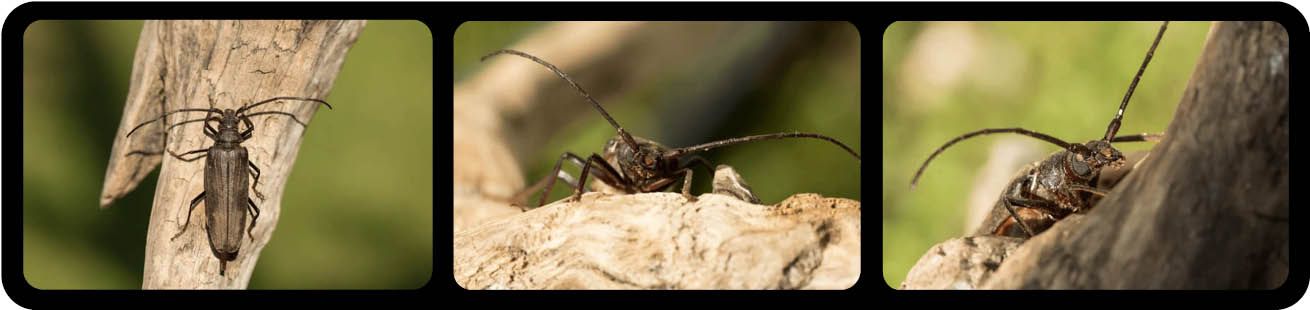
Aegosoma scabricorne belongs to the subfamily Prioninae within the family Cerambycidae (longhorn beetles). This subfamily is characterized by large body size, robust build, and serrate or flabellate antennae. The genus Aegosoma contains several species distributed across the Palearctic region, with A. scabricorne being one of the most widespread European representatives.
Adults of A. scabricorne are among the largest longhorn beetles in Europe, measuring 30-55 mm in body length. The species exhibits sexual dimorphism, with males typically larger than females. The body coloration ranges from dark reddish-brown to black, with a characteristic rough, granulated surface texture on the elytra and pronotum—a feature reflected in the specific epithet “scabricorne” (meaning rough-horned).
The antennae are relatively short for a cerambycid, reaching only about half the body length in females and two-thirds in males. They consist of 11 segments with the third segment being the longest. The mandibles are well-developed and prominent, particularly in males, which use them during mating competition. The tarsal formula is 5-5-5, typical for the family.
Biology and Life Cycle
Aegosoma scabricorne is a saproxylic species with a prolonged larval development period. The life cycle typically spans 3-5 years, though this can vary depending on environmental conditions and wood quality. Adults emerge during summer months (June-August), with peak activity occurring at dusk and during nighttime hours. They are attracted to light sources, which facilitates their observation and study.
Females oviposit in crevices of dead or dying deciduous trees, showing a strong preference for beech (Fagus sylvatica) and oak (Quercus spp.). Eggs are deposited individually or in small clusters beneath bark scales. Larvae are xylophagous, feeding within the sapwood and heartwood of standing dead trees, stumps, and large fallen timber with advanced decay. Their galleries are spacious and filled with coarse frass.
The larval stage is the longest phase of development. Mature larvae can reach 70-80 mm in length and are cream-colored with a characteristic prionine body form—robust, cylindrical, with reduced legs and a sclerotized head capsule. Pupation occurs within the wood in a chamber constructed by the larva, typically during late spring.
Habitat and Distribution
Aegosoma scabricorne is distributed throughout much of Europe, extending from the Iberian Peninsula to the Caucasus, and from southern Scandinavia to the Mediterranean. The species inhabits mature and old-growth deciduous forests, particularly those with substantial deadwood availability.
As a saproxylic species, A. scabricorne serves as an indicator of forest habitat quality and continuity. It requires forests with adequate volumes of large-diameter deadwood in intermediate to advanced decay stages. Such habitat requirements make the species vulnerable to intensive forest management practices that remove deadwood.
Conservation Status
The conservation status of A. scabricorne varies across its range. In several Central European countries, the species has declined due to habitat loss and deadwood removal. It is listed in various national Red Lists and is protected in some jurisdictions. The species benefits from conservation management that retains veteran trees, creates high stumps, and maintains continuity of deadwood resources in forest ecosystems.
Ecological Significance
Aegosoma scabricorne plays an important role in nutrient cycling and deadwood decomposition processes. The extensive larval galleries facilitate fungal colonization and accelerate wood breakdown. The species is part of a complex saproxylic community, interacting with various fungi, other insects, and microorganisms associated with deadwood habitats.
Longhorn beetles can be harmful primarily to trees rather than humans. Their larvae bore into living trees, creating tunnels inside the wood that can severely damage or even kill the tree. For example, the Asian Longhorned Beetle (ALB) is known to attack healthy broadleaf trees, causing significant damage by hollowing them out from the inside over a period of years. This damage can lead to tree dieback and death, making these beetles a serious threat to urban and forest trees, as well as industries dependent on hardwoods.
While longhorn beetles do not pose a significant threat to humans-they rarely show aggressive behavior and are not poisonous-they can bite if mishandled, causing painful but not dangerous bites. They do not damage furniture or household items, as they prefer living or freshly cut wood rather than dried wood.
Are longhorn beetles harmful
In summary:
Harm to trees: Longhorn beetle larvae tunnel inside living trees, damaging and potentially killing them. This can lead to large-scale ecological and economic impacts, especially with invasive species like the Asian Longhorned Beetle.
Harm to humans: They are not poisonous and generally not aggressive, but can bite if provoked, causing painful bites without lasting harm.
Harm to property: They do not attack furniture or dried wood products.
Therefore, longhorn beetles are harmful mainly as tree pests rather than as a direct threat to humans or household items.
Tradition: Decorated with gold and gemstones, attached to a safety pin via a chain leash. Beetle Jewelry live. Marketed as a Mayan tradition where women wore them to attract love, though this folklore is likely a modern fabrication for tourism.
Tradition: Decorated with gold and gemstones, attached to a safety pin via a chain leash. Marketed as a Mayan tradition where women wore them to attract love, though this folklore is likely a modern fabrication for tourism.
Legality: Importation to the U.S. is prohibited, but they can sell for up to $500.
Ancient Egyptian scarabs
Use: Soldiers wore scarab beetles into battle for perceived supernatural protection.
Non-Living Beetle Jewelry
Ancient Utah necklaces
Beetle species: Cotinus mutabilis (green June beetle), iridescent back legs used.
Craftsmanship: Legs were strung on yucca cordage, requiring exceptional dexterity. Dated to ~70–60 BCE.
Significance: Rarity and labor-intensive production suggest status symbols, as beetles were scarce in the region and seasonal.
Beetle Jewelry live
Global beetlewing jewelry
Materials: Iridescent beetle wings (e.g., jewel beetles) used in Asia, India, and South America.
Examples: A 19th-century dress adorned with 1,000 beetle wings; modern artisanal pieces in Thailand and India.
Modern Cultural Continuity
Descendants of Utah’s ancient makers (Hopi, Zuni) and Navajo communities continue insect jewelry traditions, though specifics on beetle use are unclear.
Larvae, often referred to as wood-borers, feed on plant roots and the inner layers of wood from dead or dying trees. They burrow into wood to consume nutrients, creating tunnels during this stage, which can last months to years depending on the species and environmental conditions.
Longhorn Beetles Bite:
Understanding Defensive Behavior and Mandibular Function in Cerambycidae
Taxonomic Position: Order Coleoptera, Family Cerambycidae Common Question: Do longhorn beetles bite humans? Short Answer: Yes, some species can bite when handled, though bites are generally not dangerous Primary Function of Mandibles: Wood chewing (larvae) and plant material manipulation (adults)
Longhorn beetles (family Cerambycidae) can bite humans if mishandled, though this is rare and typically defensive. Their mandibles are adapted for chewing wood, but they may inflict painful bites when threatened. Wikipedia
Introduction: Can Longhorn Beetles Bite?
A common question among people encountering longhorn beetles (family Cerambycidae) is whether these often-large and sometimes intimidating insects can bite humans. The answer is nuanced: while longhorn beetles possess functional mandibles capable of biting, their primary adaptations are for processing plant materials rather than defense. However, when handled or threatened, some species will attempt to bite as a defensive behavior. Understanding the biting capabilities, risks, and contexts of cerambycid biting behavior requires examination of their mandibular morphology, natural behaviors, and interactions with humans.
This article explores the reality of longhorn beetle bites from scientific and practical perspectives, addressing questions about bite capability, potential harm, circumstances leading to bites, variations among species, and appropriate handling to minimize bite risk. By understanding cerambycid mandibular function and defensive behaviors, we can better appreciate these beetles while avoiding unnecessary harm to both humans and insects.
Main Features: Mandibular Morphology and Biting Capability
The mandibles of longhorn beetles are primarily adapted for their ecological roles as wood-borers (larvae) and plant material processors (adults), not for defense or predation. However, these same structures can function defensively when beetles are threatened, with biting capability varying considerably among species based on mandible size, shape, and mechanical advantage.
Mandibular Structure and Function
Cerambycid mandibles are sclerotized (hardened) structures composed of chitin and proteins, articulated to the head capsule through condylar joints that allow opening and closing movements. The mandibles move in a transverse plane, scissoring together to cut, crush, or manipulate materials. Internal muscles provide closing force, with muscle mass and attachment points determining bite strength.
The typical cerambycid mandible features:
Apical teeth: Sharp points at the mandible tips that concentrate force and penetrate materials
Molar surfaces: Grinding areas on inner mandible faces that crush plant tissues
Cutting edges: Sharp margins along mandible length that shear materials
Variable shapes: Forms ranging from simple and robust to elongate and curved, reflecting different functional requirements
In larvae, mandibles are extremely robust and powerful, designed for chewing through hard wood. The enlarged prothorax houses massive mandibular muscles that generate substantial force for excavating tunnels in solid wood. Adult mandibles are generally smaller relative to body size but still functional for various tasks including bark chewing, leaf feeding, or defensive biting.
Size Variation and Bite Strength
Mandible size varies enormously across the family’s vast diversity. Small cerambycids of only a few millimeters length have correspondingly tiny mandibles incapable of penetrating human skin. Medium-sized species have mandibles that may pinch skin uncomfortably but rarely break it. Large species, particularly in subfamilies Prioninae and some Cerambycinae and Lamiinae, possess substantial mandibles that can deliver genuinely painful bites capable of breaking skin.
The largest cerambycids, including species like Titanus giganteus, Macrodontia cervicornis, and various large Prionus species, have mandibles capable of delivering bites that can draw blood and cause localized pain persisting for minutes to hours. However, even these impressive mandibles are not venomous and do not inject toxins.
Sexual Dimorphism in Mandibles
Some cerambycid species exhibit sexual dimorphism in mandible development, though this is generally less pronounced than in families like Lucanidae (stag beetles). Males of some species have slightly larger or differently shaped mandibles than females, potentially reflecting roles in male-male competition or mate manipulation during copulation. However, in many cerambycids, mandible sexual dimorphism is minimal or absent.
When sexual dimorphism does occur, males may have more elongate or curved mandibles, though these are still primarily adapted for plant material processing rather than combat. In contrast to stag beetles where male mandibles are highly specialized weapons, cerambycid mandibles in both sexes remain functionally similar and primarily oriented toward feeding-related tasks.
Comparative Mandibular Morphology
Subfamily Variation in Bite Capability:
Prioninae: Generally have robust, powerful mandibles. Large species can deliver strong, potentially painful bites. Mandibles adapted for cutting tough plant material.
Cerambycinae: Variable mandibles ranging from small and weak to moderately large. Most species have limited bite strength, though larger species can pinch painfully.
Lamiinae: Highly variable given subfamily’s enormous diversity. Many species have relatively short, robust mandibles; some can bite defensively with moderate effect.
Lepturinae: Typically smaller species with weaker mandibles. Most incapable of delivering significant bites to humans.
How to Identify Biting Behavior and Risk Assessment
Not all longhorn beetles exhibit defensive biting behavior with equal readiness, and understanding which species are more likely to bite, under what circumstances biting occurs, and how to assess bite risk helps both in avoiding unwanted encounters and in safely handling beetles when necessary.
Species-Level Variation in Defensive Biting
Biting propensity varies among cerambycid species based on temperament, defensive repertoire, and mandibular capability. Some species readily attempt to bite when handled, while others rarely employ biting as a defensive strategy, preferring alternative defenses like flight, thanatosis (feigning death), stridulation (sound production), or remaining motionless.
Large-bodied species, particularly in Prioninae, are more likely to bite defensively and have the mandibular strength to make bites noticeable. Species with robust builds and limited flight capability may rely more heavily on biting than highly agile species that can escape readily. Nocturnal species disturbed during daytime hiding may bite more readily than diurnal species accustomed to being active and exposed.
Behavioral Indicators of Potential Biting
Beetles about to bite typically exhibit warning behaviors that attentive observers can recognize:
Mandible spreading: Opening mandibles wide in a threatening display, clearly visible particularly in larger species
Head orientation: Turning the head toward the perceived threat and positioning mandibles for biting
Body stiffening: Tensing body in preparation for defensive action
Stridulation: Producing squeaking or hissing sounds by rubbing body parts together, often accompanying or preceding bite attempts
Leg bracing: Securing position with legs to provide leverage for bite force
Recognizing these warning signs allows handlers to adjust grip or release the beetle before it bites. Many bites can be avoided simply by respecting these defensive displays and handling beetles more carefully or not at all.
Size-Based Risk Assessment
As a general rule, bite risk and potential pain correlate with beetle size:
Small species (under 15 mm): Minimal to no bite risk. Mandibles too small to penetrate human skin or cause discomfort. Handling safe from biting perspective.
Medium species (15-40 mm): Capable of pinching skin but rarely breaking it. Bites may be momentarily uncomfortable but cause no lasting harm. Low risk, minimal concern.
Large species (40-80+ mm): Capable of delivering genuinely painful bites that may break skin. Bites can cause localized pain, minor bleeding, and potentially small wounds. Handling requires care to avoid bites.
These are generalizations; individual species variation means some small species have disproportionately strong mandibles while some large species are docile and rarely bite. However, size provides a reasonable first approximation of bite risk.
Context and Circumstances Leading to Bites
Longhorn beetles do not bite aggressively or offensively; bites occur exclusively in defensive contexts when beetles feel threatened. Common circumstances leading to bites include:
Handling: Picking up beetles, particularly rough handling or gripping beetles tightly
Restraint: Preventing beetle movement or escape, triggering defensive responses
Startle responses: Sudden disturbance of resting beetles
Inadvertent contact: Accidentally touching beetles hidden in clothing, firewood, or other locations
Confined spaces: Beetles trapped against skin or in tight spaces
Notably, cerambycids do not actively seek to bite humans and will not pursue or attack people. All bites result from beetles defending themselves when they perceive threats. Simply observing beetles without touching them eliminates bite risk entirely.
Occurrence and Main Habitats: Where Bites May Occur
Understanding where humans are likely to encounter longhorn beetles helps contextualize bite risk and identify situations requiring awareness of potential defensive biting.
Natural Habitats and Encounters
Longhorn beetles occur in forested areas, woodlands, parks, and any habitat with woody plants. Most human encounters with cerambycids occur in these settings:
Forests and woodlands: Hikers, foresters, naturalists, and others working or recreating in forests may encounter cerambycids on vegetation, attracted to lights, or emerging from dead wood. Handling found beetles for identification or photography can result in defensive bites if care is not taken.
Parks and gardens: Urban and suburban green spaces supporting trees host cerambycid populations. Adults attracted to lights around buildings, feeding on flowers, or flying during warm evenings may contact humans. Handling is again the primary bite risk factor.
Firewood and lumber: Adults emerging from firewood, construction lumber, or wood products can surprise people, leading to startled reactions and potential handling that provokes defensive bites. Larvae developing in stored wood pose no bite risk as they remain concealed until adult emergence.
Seasonal Patterns
In temperate regions, adult cerambycid activity peaks during warm months, typically late spring through summer. This seasonal concentration of adult activity corresponds with the period of highest human-beetle encounter frequency and thus greatest bite likelihood. However, even during peak activity periods, actual bites are uncommon because most people do not handle beetles.
In tropical regions with year-round warm conditions, cerambycid activity may be less seasonally concentrated, though rainfall patterns often influence emergence timing. Year-round activity potential means encounters can occur any time, though again, actual bites remain uncommon absent handling.
Attraction to Lights
Many nocturnal cerambycid species are attracted to artificial lights, bringing them into close proximity with humans around outdoor lighting. Beetles may fly at people near lights, land on clothing, or enter buildings through open windows and doors. While startling, these encounters rarely result in bites unless people attempt to remove beetles from clothing or hair by grabbing them, which can trigger defensive biting.
Indoor Encounters
Cerambycids occasionally enter buildings, either attracted to lights or emerging from infested wood products or furniture. Indoor beetles may crawl on floors, walls, or ceilings, occasionally contacting sleeping people or being discovered in unexpected locations. Again, bites occur primarily if beetles are grabbed or compressed against skin without opportunity to escape.
Lifestyle and Behavior: Defensive Biting in Context
Understanding defensive biting requires placing it in the broader context of cerambycid behavior and ecology. Biting is one component of a defensive repertoire that varies among species and life stages.
Primary Defensive Strategies
Longhorn beetles employ multiple defensive strategies when threatened, with biting being neither universal nor necessarily primary:
Flight: Most cerambycid species are capable fliers and escape from threats by taking flight. This is often the first defensive response, with biting occurring only if flight is prevented or impossible.
Thanatosis (death feigning): Many species drop from perches and remain motionless when disturbed, feigning death. This behavior exploits predator psychology where movement triggers attack responses. Beetles may remain immobile for seconds to minutes before resuming activity.
Cryptic behavior: Remaining motionless and relying on camouflage coloration to avoid detection is a primary defense for many species. Nocturnal species disturbed during daytime often remain still rather than fleeing or biting.
Stridulation: Many cerambycids produce sounds by rubbing body parts together when threatened. These squeaking, hissing, or rasping sounds may startle predators or signal that the beetle is defended, potentially deterring attack without requiring biting.
Reflex bleeding: Some species release hemolymph (insect blood) from leg joints when threatened, a behavior called reflex bleeding or autohemorrhaging. The hemolymph may contain deterrent compounds making beetles unpalatable.
Defensive biting: When other defenses fail or are unavailable, some species resort to biting. This typically occurs when beetles are restrained, grabbed, or otherwise unable to flee.
Biting as Last Resort Defense
For most cerambycid species, biting appears to be a last-resort defense employed when other strategies are unavailable or ineffective. Beetles that can fly typically do so rather than biting. Beetles that successfully feign death avoid detection and thus avoid the need to bite. Only when these primary defenses fail does biting become relevant.
This pattern makes sense given that biting exposes beetles to risk. Engaging with a predator through biting requires the beetle to remain in contact with the threat rather than escaping. For relatively fragile insects facing vertebrate predators, engaging through biting is risky and best avoided if alternatives exist. However, when grasped by a predator or human, biting may convince the captor to release the beetle, making it worthwhile despite risks.
Context-Dependent Defensive Responses
The defensive strategy employed varies with context. A beetle discovered at rest may remain motionless (crypsis). If approached more closely, it may take flight. If grabbed, it may first attempt stridulation and reflex bleeding before escalating to biting. The escalation through defensive repertoires suggests a hierarchy where less risky defenses are tried first, with biting reserved for circumstances where other options have failed.
Individual variation exists, with some individuals more prone to biting than others even within species. This variation may reflect genetic differences, prior experience, or physiological state influencing defensive thresholds.
Mandibular Functions Beyond Defense
It is crucial to recognize that defensive biting is not the primary function of cerambycid mandibles. These structures evolved for and are primarily used for:
Larval feeding: Larvae use mandibles to chew wood, creating tunnels and consuming woody tissues. This is the primary selective pressure shaping mandible morphology and strength.
Adult feeding: Adults use mandibles to manipulate bark, leaves, pollen, or other plant materials during feeding. Some species chew bark to create wounds allowing sap flow.
Oviposition preparation: Females chew pits or slits in bark for egg deposition, requiring functional mandibles for reproductive success.
Emergence: Adults chew exit tunnels from wood when emerging from pupal chambers, requiring strong mandibles to penetrate bark or hard wood.
These feeding and reproductive functions are the primary drivers of mandible evolution. Defensive biting is a secondary application of structures evolved for other purposes.
Food and Role in Ecosystem: Mandibular Function in Feeding
Understanding cerambycid feeding ecology illuminates why their mandibles are shaped as they are and clarifies that biting capability is a byproduct of feeding adaptations rather than a primary evolved function.
Larval Wood-Chewing and Mandibular Power
The extraordinary mandibular strength of cerambycid larvae reflects the extreme demands of wood-chewing. Wood is among the hardest, toughest materials that any insect consumes. Successfully excavating tunnels through solid wood requires immense bite force generated by massive mandibular muscles.
Larval mandibles are short, robust, and powerfully built. The points and cutting edges concentrate force to initiate cracks in wood structure. The grinding surfaces crush wood fragments once initial penetration occurs. The mandibles work in concert with powerful neck and prothoracic muscles to drive the head forward, forcing mandibles into wood.
This wood-chewing capability, essential for larval survival and growth, incidentally creates powerful mandibles that could theoretically be used defensively. However, larvae rarely encounter situations where defensive biting is relevant, being concealed within wood substrates that provide protection from most predators.
Adult Feeding and Mandibular Use
Adult mandibles, while generally less massive than larval mandibles, remain functional for various feeding activities:
Bark chewing: Many species chew through bark to access cambium, phloem, or to create wounds releasing sap. This requires mandibles capable of cutting tough, fibrous bark tissues.
Leaf and flower feeding: Flower longhorns and other species feeding on leaves, pollen, or floral tissues use mandibles to manipulate these materials. While softer than wood, these tissues still require effective cutting and chewing.
Sap feeding: Even species feeding primarily on liquids may use mandibles to widen sap flows or access sugar sources.
The functional demands of adult feeding maintain selection for working mandibles throughout the adult stage, even in species where adult feeding is minimal. This functional maintenance means mandibles remain capable of defensive biting even if that is not their primary role.
Ecological Roles and Indirect Bite Relevance
The ecological importance of cerambycids as decomposers and herbivores relates only tangentially to their biting capability. Their value in ecosystems derives from larval wood decomposition, adult pollination contributions, and participation in food webs. Biting ability is incidental to these ecological functions.
However, defensive biting may contribute to individual survival by deterring predators, allowing beetles to escape and continue their ecological roles. A bite that convinces a bird to drop a beetle may save that individual to continue reproducing, tunneling, or pollinating. In this indirect way, biting capability may support population persistence and thus maintenance of ecological functions.
Life Cycle: Development of Biting Capability
Biting capability varies across cerambycid life stages, with different functional demands shaping mandibular morphology and strength during development.
Egg and Early Larval Stages
Newly hatched first instar larvae possess functional mandibles immediately upon emergence from eggs. These tiny mandibles, though small, are proportionally robust and capable of chewing plant tissues. Early instar larvae typically feed in or just beneath bark, chewing softer tissues before boring deeper into wood as they grow.
Even tiny first instar mandibles are effectively designed for their task, capable of initiating tunnels that will expand through successive molts. While these minute structures pose no bite risk to humans due to their size, they are functionally complete mandibles capable of processing tough plant materials.
Larval Development and Mandibular Growth
Through successive larval molts, mandibles grow larger and more powerful. Each instar has mandibles scaled to body size and feeding requirements. As larvae grow, they bore into harder wood and create larger tunnels, requiring increasingly powerful mandibles.
The massive prothorax characteristic of cerambycid larvae houses enormous mandibular muscles that grow in proportion to mandible size. By the final larval instar, particularly in large species, the mandibular apparatus is extraordinarily powerful, capable of chewing through very hard wood.
This progressive development of mandibular power reflects the increasing demands of wood-boring as larvae grow. Larger larvae creating larger tunnels in harder wood require greater bite force than small larvae in soft substrates.
Pupal Stage and Mandibular Transformation
During pupation, larval structures including mandibles are reorganized into adult form. The robust, wood-boring mandibles of larvae are replaced by adult mandibles adapted for different functions. This transformation reflects the shift from wood-boring larvae to free-living, typically plant-feeding adults.
Adult mandibles typically emerge from the pupal stage proportionally smaller than final instar larval mandibles, though size relationships vary among species. The mandibles harden and pigment during the teneral period following eclosion, developing full functional capability as the adult cuticle sclerotizes.
Adult Stage and Mandibular Function
Fully developed adult mandibles serve the feeding, reproductive, and defensive functions discussed previously. These structures remain functional throughout adult life, though mandibular teeth may wear with use, potentially reducing bite effectiveness in old adults.
The adult period is when humans most commonly encounter cerambycids and thus when defensive biting is most likely to affect people. Adult emergence, dispersal, and reproductive activities bring beetles into spaces where human contact occurs, creating opportunities for defensive interactions including biting.
Ontogenetic Changes in Defensive Behavior
Defensive behaviors, including biting tendency, may change across life stages. Larvae, being concealed within wood, rarely face circumstances requiring defensive biting. Adults, being exposed and mobile, more frequently encounter potential threats and thus more commonly employ defensive biting.
Newly emerged adults during the teneral period when cuticle is still hardening may be less prone to defensive biting, being more vulnerable and perhaps prioritizing remaining hidden over confrontational defense. Fully hardened adults with complete cuticle sclerotization may more readily attempt defensive biting, having achieved protective exoskeleton development.
Bionomics – Mode of Life and Biting Behavior
Examining how biting behavior fits into cerambycid life history and ecology provides deeper understanding of when, why, and how these beetles employ this defensive strategy.
Predator-Prey Dynamics and Defensive Biting
Longhorn beetles face predation throughout their life cycle from diverse predators including birds, bats, reptiles, amphibians, spiders, predaceous insects, and mammals. Defensive biting may deter some predators, particularly those that learn to associate bites with cerambycid prey and subsequently avoid them.
However, biting effectiveness against different predators varies. Birds with hard beaks may be undeterred by beetle bites that would pain humans. Conversely, soft-mouthed predators like some mammals might be more sensitive to bites. The evolutionary maintenance of defensive biting suggests it provides sufficient survival benefit to outweigh costs, even if not universally effective against all predators.
Learning and Experience in Defensive Behavior
Whether individual cerambycids learn from experience and modify defensive behaviors, including biting readiness, based on prior encounters remains largely unknown. Some insects show learning capabilities that allow defensive behavior modification, while others exhibit largely innate defensive responses.
If cerambycids can learn, individuals that successfully deterred predators through biting might become more likely to bite when threatened again. Conversely, individuals for whom biting proved ineffective might rely more on other defenses. However, the short adult lifespan of many cerambycids may limit opportunities for learning to influence defensive repertoires significantly.
Energetic Costs and Trade-offs
Defensive behaviors including biting involve costs and trade-offs. Engaging in defensive combat expends energy and time that could be allocated to reproduction or feeding. Biting risks mandibular damage, particularly if beetles bite hard objects or struggle against restraint.
These costs mean defensive biting should be deployed judiciously, employed when benefits (deterring predators, enabling escape) exceed costs. The observation that many cerambycids attempt other defenses before biting suggests a cost-benefit hierarchy where less costly defenses are tried first, with biting reserved for situations where benefits clearly justify costs.
Chemical Defenses and Biting
Some cerambycid species possess chemical defenses including toxic or deterrent compounds in their hemolymph or defensive secretions. Species with effective chemical defenses may rely less on biting, having alternative means of deterring predators. Conversely, species lacking chemical defenses might rely more heavily on mechanical defenses including biting.
The interaction between chemical and mechanical defenses creates diverse defensive syndromes across cerambycid diversity. Some species are chemically defended, aposematically colored, and rarely bite. Others lack chemical defenses, are cryptically colored, and more readily bite when cornered. Understanding these syndromes helps predict which species are most likely to bite.
Handling Stress and Bite Likelihood
The stress of being handled influences bite likelihood. Gentle handling that allows the beetle to move somewhat freely and does not compress it forcefully may elicit minimal defensive response. Rough handling, tight gripping, or preventing all movement increases stress and thus bite likelihood.
This relationship has practical implications for those needing to handle cerambycids for scientific or management purposes. Minimizing handling stress through gentle techniques reduces bite risk while also reducing stress on beetles, improving both human safety and insect welfare.
Distribution: Geographic Variation in Biting Species
While cerambycids occur worldwide and all possess mandibles capable of at least attempting to bite, the species most likely to deliver significant bites to humans are not evenly distributed globally. Geographic patterns in species size and diversity influence where encounters with biting-capable cerambycids are most likely.
Tropical Regions and Large Species
Tropical regions, particularly tropical rainforests, harbor both the highest cerambycid diversity and the largest species. The occurrence of giants like Titanus giganteus in South America, Batocera species in Asia, and various large Macrodontia and Acrocinus species in the Neotropics means tropical regions present higher likelihood of encounters with species capable of delivering genuinely painful bites.
However, even in tropical regions, actual bites remain uncommon because most people do not handle wild beetles, and cerambycids do not pursue or attack people unprovoked. The potential for painful bites exists but is rarely realized except among entomologists, insect collectors, or others deliberately handling beetles.
Temperate Regions and Moderate-Sized Species
Temperate North America, Europe, and Asia support diverse cerambycid faunas but generally lack the extreme giants found in tropics. The largest temperate species, including Prionus species in North America and Europe, Ergates species, and various large Asian species, can deliver painful bites but are generally less formidable than tropical giants.
Temperate species most commonly encountered by humans include medium-sized species that may pinch uncomfortably but rarely break skin. Common genera like Monochamus, Saperda, and many Leptura species have limited bite capability presenting minimal risk to people.
Regional Pest Species and Human Contact
Some regions have particular cerambycid pest species that create increased likelihood of human-beetle contact and thus potential for bites. Asian longhorned beetle (Anoplophora glabripennis) in invaded regions, various Monochamus species in coniferous forest areas, and other economically important species may be encountered more frequently than non-pest species.
However, pest status does not necessarily correlate with biting behavior. Some pest species readily bite when handled while others are docile. Public education about particular pest species should include information about handling safety and bite risk where relevant.
Regional Awareness
People working or recreating in areas with large cerambycid species should be aware that handling these beetles can result in painful bites. This awareness is particularly relevant in tropical regions and for people handling beetles professionally (entomologists, pest control operators, forestry workers). However, the vast majority of casual encounters with cerambycids, even large species, do not result in bites if beetles are not handled.
Medical Significance and Bite Treatment
Understanding the medical implications of cerambycid bites and appropriate response to bites provides practical guidance for the rare occasions when bites occur.
Nature of Cerambycid Bites
Longhorn beetle bites are purely mechanical injuries caused by mandibles pinching or cutting skin. Unlike some insects that inject venom when biting (such as assassin bugs or some beetles in other families), cerambycids do not inject toxins. The mandibles simply compress, pinch, or cut tissues through mechanical force.
Bite effects include:
Pain: Immediate pain at bite site, intensity proportional to bite force and tissue damage. Pain typically peaks immediately and diminishes over minutes to hours.
Skin compression or breakage: Small species may compress skin without breaking it. Larger species may create small puncture wounds or cuts.
Minor bleeding: Bites that break skin may bleed minimally, typically stopping quickly without intervention.
Localized redness: Mechanical tissue damage causes inflammatory response with redness around bite site.
Temporary swelling: Minor swelling may occur at bite site due to inflammatory response.
Absence of Venom and Systemic Effects
Cerambycid bites do not involve venom injection and thus do not cause systemic effects. There is no risk of anaphylaxis, systemic poisoning, or serious medical consequences from the bite itself. All effects are local and result from mechanical tissue damage.
This distinction is important because it means cerambycid bites, while potentially painful, are not medically dangerous. Even bites from the largest species causing skin breakage and temporary pain are not serious injuries requiring medical attention in vast majority of cases.
Infection Risk and Prevention
The primary medical concern with any bite or puncture wound is potential for secondary infection. While the bite itself is not dangerous, bacteria introduced into the wound from beetle mandibles, skin surface, or environmental contamination could potentially cause infection if wounds are not properly managed.
Infection risk with cerambycid bites is low because:
Most bites do not break skin, eliminating infection pathway
Wounds that do occur are typically small and superficial
Cerambycid mandibles are not particularly contaminated with pathogenic bacteria compared to mouthparts of blood-feeding or carrion-associated insects
However, appropriate wound care minimizes already-low infection risk and is recommended for any bite breaking skin.
First Aid and Bite Management
Recommended Response to Cerambycid Bites:
Immediate response:
If beetle is still attached, gently remove it by carefully opening mandibles rather than pulling beetle away, which can cause additional tissue damage
Move away from beetle to prevent additional bites
For bites not breaking skin:
No specific treatment typically needed
Ice or cold compress may reduce discomfort if bite is painful
Pain should resolve within minutes to hours
For bites breaking skin:
Wash bite site with soap and water to remove potential contaminants
Apply antiseptic if available
Cover with clean bandage if desired, though small punctures often do not require covering
Monitor for signs of infection (increasing redness, warmth, swelling, pus) over following days
Seek medical attention if signs of infection develop, though this is uncommon
When to seek medical attention:
Signs of infection developing (unusual given minor nature of typical bites)
Allergic reaction occurring (extremely rare with mechanical bites lacking venom)
Concern about wound management or healing
Psychological versus Physical Impact
For many people, the surprise and alarm of being bitten by a large beetle may be more distressing than the physical pain. Large cerambycids can be intimidating in appearance, and unexpected bites can startle people even when pain is minor.
Understanding that bites are defensive reactions from frightened insects, not aggressive attacks, and that serious harm is extremely unlikely, helps put the experience in perspective. Education about beetle biology and behavior can reduce anxiety about encounters and bites.
Prevention and Safe Handling
For those who may need to handle cerambycids for scientific, educational, or management purposes, or who simply wish to observe beetles closely, understanding how to minimize bite risk benefits both humans and beetles.
Observation Without Handling
The simplest way to eliminate bite risk is to observe cerambycids without handling them. Beetles on vegetation, attracted to lights, or encountered in the field can be observed, photographed, and appreciated without physical contact. This no-contact approach eliminates bite risk entirely while also avoiding stress to beetles.
Close observation using macro lenses, magnifying glasses, or simply close visual inspection allows detailed examination without handling. Many behavioral observations and even some scientific studies can be conducted without capturing or handling beetles.
Gentle Handling Techniques
When handling is necessary, gentle techniques minimize both bite risk and beetle stress:
Encourage voluntary crawling: Allow beetles to walk onto hands or collection containers voluntarily rather than grabbing them. Beetles that walk onto hands of their own accord are less stressed and less likely to bite.
Support body weight: When holding beetles, support their body weight with open hands rather than gripping tightly. Allow some freedom of movement.
Avoid confinement against skin: Do not trap beetles against skin where they may feel cornered and bite defensively.
Handle briefly: Minimize handling duration to reduce cumulative stress.
Recognize warning signs: If beetles spread mandibles or stiffen in apparent preparation to bite, adjust handling or release them.
Physical Protection
When handling species known to bite readily or capable of painful bites, physical protection can prevent injuries:
Gloves: Leather or heavy fabric gloves prevent mandibles from contacting skin. However, gloves reduce dexterity and may make gentle handling more difficult.
Tools: Soft forceps, brushes, or containers allow manipulation without direct hand contact. This is preferable for aggressive species or when gentle hand-handling proves difficult.
Containers: Transferring beetles directly into clear containers allows examination without handling.
Species-Specific Approaches
Different cerambycid species vary in handling tolerance. Experience with particular species informs appropriate handling strategies:
Docile species: Many cerambycids, particularly smaller species and many flower longhorns, tolerate gentle handling with minimal defensive response. These can often be handled safely with minimal precautions.
Readily biting species: Some species, particularly large Prioninae and some other groups, bite readily when handled. These require more careful handling or use of protective equipment.
Aggressive species: A few species exhibit particularly aggressive defensive behavior and bite at slightest provocation. These are best observed without handling or handled only with appropriate protection.
Ethical Considerations
Beyond safety concerns, ethical treatment of beetles should guide handling decisions. Unnecessary handling stresses beetles and may reduce survival or reproductive success. Handling should be limited to situations where scientific, educational, or management purposes justify potential impacts on individual beetles.
When handling is necessary, minimizing stress, duration, and physical impact respects beetle welfare while also reducing bite risk through reduced defensive arousal.
Conclusion
Longhorn beetles can indeed bite when handled or threatened, though biting capability varies tremendously among the family’s thousands of species. Small species pose no bite risk, while the largest species can deliver genuinely painful bites capable of breaking skin. However, even these impressive bites are not medically dangerous, involving no venom and causing only localized, temporary pain and minor tissue damage.
Understanding that cerambycid bites are purely defensive responses, not aggressive attacks, helps contextualize the rare occasions when bites occur. These beetles do not seek to bite humans and will not pursue or attack people. All bites result from beetles defending themselves when they feel threatened, typically when being handled. Simply observing beetles without touching them eliminates bite risk entirely.
The mandibles that create biting capability evolved primarily for feeding-related tasks including wood-chewing by larvae and plant material processing by adults. Defensive biting is a secondary application of structures shaped by ecological rather than defensive selection pressures. This explains why mandible morphology varies more with feeding ecology than with defensive requirements.
For the vast majority of people who encounter longhorn beetles only occasionally and do not handle them, bite risk is essentially zero. Even among those who handle beetles regularly, including entomologists and pest management professionals, bites are relatively uncommon and rarely serious. Simple awareness of bite potential and use of gentle handling techniques when handling is necessary minimize the already-low risk.
Medical significance of cerambycid bites is minimal. The mechanical nature of bites, absence of venom, and typically minor tissue damage mean these are not medical emergencies. Basic wound care for bites that break skin is generally sufficient, with infection risk low and serious complications extremely rare.
From broader biological perspectives, defensive biting capability illustrates how structures evolved for one function (feeding) can be co-opted for others (defense), demonstrating the opportunistic nature of evolution. The variation in biting behavior among species and individuals shows that defensive strategies are flexible and context-dependent, reflecting complex trade-offs between defense costs and benefits.
Ultimately, appreciation and understanding of longhorn beetles, including their biting capability, should enhance rather than diminish our regard for these remarkable insects. Their ecological importance as decomposers and their spectacular diversity deserve recognition. The minor risk of defensive bites should not overshadow the significant roles cerambycids play in forest ecosystems or their value as subjects of scientific study and aesthetic appreciation. With appropriate awareness and respectful treatment, humans and longhorn beetles can coexist peacefully, with bites remaining rare exceptions rather than common occurrences.
We use cookies to improve user experience, and analyze website traffic. By clicking “Accept”, you consent to store on your device all the technologies described in our Cookie Policy. You can change your Cookie settings at any time.
This website uses cookies to improve your experience while you navigate through the website. Out of these, the cookies that are categorized as necessary are stored on your browser as they are essential for the working of basic functionalities of the website. We also use third-party cookies that help us analyze and understand how you use this website. These cookies will be stored in your browser only with your consent. You also have the option to opt-out of these cookies. But opting out of some of these cookies may affect your browsing experience.
Necessary cookies are absolutely essential for the website to function properly. These cookies ensure basic functionalities and security features of the website, anonymously.
Cookie
Duration
Description
__stripe_mid
1 year
This cookie is set by Stripe payment gateway. This cookie is used to enable payment on the website without storing any patment information on a server.
__stripe_sid
30 minutes
This cookie is set by Stripe payment gateway. This cookie is used to enable payment on the website without storing any patment information on a server.
cookielawinfo-checbox-analytics
11 months
This cookie is set by GDPR Cookie Consent plugin. The cookie is used to store the user consent for the cookies in the category "Analytics".
cookielawinfo-checbox-functional
11 months
The cookie is set by GDPR cookie consent to record the user consent for the cookies in the category "Functional".
cookielawinfo-checbox-others
11 months
This cookie is set by GDPR Cookie Consent plugin. The cookie is used to store the user consent for the cookies in the category "Other.
cookielawinfo-checkbox-advertisement
11 months
The cookie is set by GDPR cookie consent to record the user consent for the cookies in the category "Advertisement".
cookielawinfo-checkbox-necessary
11 months
This cookie is set by GDPR Cookie Consent plugin. The cookies is used to store the user consent for the cookies in the category "Necessary".
cookielawinfo-checkbox-performance
11 months
This cookie is set by GDPR Cookie Consent plugin. The cookie is used to store the user consent for the cookies in the category "Performance".
m
2 years
m.stripe.com
viewed_cookie_policy
11 months
The cookie is set by the GDPR Cookie Consent plugin and is used to store whether or not user has consented to the use of cookies. It does not store any personal data.
woocommerce_cart_hash
session
Helps WooCommerce determine when cart contents/data changes.
woocommerce_items_in_cart
session
Helps WooCommerce determine when cart contents/data changes.
wp_woocommerce_session_
2 days
Contains a unique code for each customer so that it knows where to find the cart data in the database for each customer.
Functional cookies help to perform certain functionalities like sharing the content of the website on social media platforms, collect feedbacks, and other third-party features.
Cookie
Duration
Description
mailchimp_landing_site
1 month
The cookie is set by the email marketing service MailChimp.
Performance cookies are used to understand and analyze the key performance indexes of the website which helps in delivering a better user experience for the visitors.
Cookie
Duration
Description
_gat
1 minute
This cookies is installed by Google Universal Analytics to throttle the request rate to limit the colllection of data on high traffic sites.
Analytical cookies are used to understand how visitors interact with the website. These cookies help provide information on metrics the number of visitors, bounce rate, traffic source, etc.
Cookie
Duration
Description
_ga
2 years
This cookie is installed by Google Analytics. The cookie is used to calculate visitor, session, campaign data and keep track of site usage for the site's analytics report. The cookies store information anonymously and assign a randomly generated number to identify unique visitors.
_gid
1 day
This cookie is installed by Google Analytics. The cookie is used to store information of how visitors use a website and helps in creating an analytics report of how the wbsite is doing. The data collected including the number visitors, the source where they have come from, and the pages viisted in an anonymous form.
Advertisement cookies are used to provide visitors with relevant ads and marketing campaigns. These cookies track visitors across websites and collect information to provide customized ads.
Cookie
Duration
Description
NID
6 months
This cookie is used to a profile based on user's interest and display personalized ads to the users.