Posted on

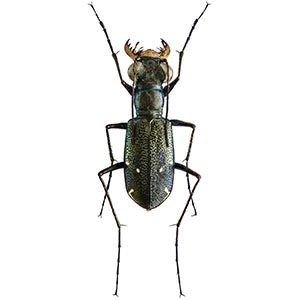
Genus Elliptica

Genus Elliptica Fairmaire, 1884 (Cicindelidae)

African Tiger Beetles: The Elliptica Group

The Ultimate Visual Guide to Tiger Beetles

Taxonomic Note: The genus Elliptica Fairmaire, 1884 is currently treated by most contemporary authorities as a subgenus of Cicindela Linnaeus, 1758 rather than as a distinct genus. Species are therefore typically referred to as Cicindela (Elliptica) in modern taxonomic literature. This article follows the original generic designation as specified in the title while acknowledging current systematic arrangements.

Systematics

The taxon Elliptica was established by Léon Fairmaire in 1884 as part of his work on African Coleoptera. Originally conceived as a distinct genus within the family Cicindelidae (tiger beetles), Elliptica was characterized by specific morphological features that distinguished it from other cicindelid genera of the time.

Elliptica Fairmaire, 1884

The taxonomic history of Elliptica reflects the ongoing evolution of tiger beetle systematics. Throughout the 20th century, various specialists examined the morphological and anatomical characteristics of Elliptica species. Contemporary taxonomic treatments, including those by major authorities such as Wiesner (1992, 2020) and Werner (2000), now place Elliptica as a subgenus within the large and cosmopolitan genus Cicindela. This reclassification reflects a broader understanding of morphological relationships within the Cicindelidae and the recognition that the characters originally used to define Elliptica at the generic level represent variation within a larger monophyletic group.

The Elliptica group comprises approximately 15-17 recognized species, all endemic to Africa. Notable species include Cicindela (Ellipticamuata (Harold, 1878), C. (E.deyrollei (Guérin-Méneville, 1849), C. (E.laticornis (W. Horn, 1900), C. (E.lugubris (Dejean, 1825), and C. (E.compressicornis (Boheman, 1860).

In 1982, Fabio Cassola published an important revision of the Elliptica muata group, describing several new species and clarifying relationships within this complex. This work remains fundamental to understanding the diversity and systematics of the group. More recent taxonomic studies by Werner (2003) and others have continued to refine species boundaries and describe additional taxa, demonstrating that the diversity of the Elliptica group remains incompletely documented.

Cytogenetic studies have provided insights into the chromosomal characteristics of Elliptica species. Research on Elliptica lugubris from Guinea-Bissau revealed a karyotype of 2n = 18 + X₁X₂X₃Y/X₁X₁X₂X₂X₃X₃, indicating a complex sex chromosome system characteristic of many Afrotropical tiger beetles. These chromosomal data contribute to understanding the evolutionary relationships within the Cicindelidae.

Bionomics – Mode of Life

Species of the Elliptica group are predatory beetles that exhibit the characteristic hunting behavior of tiger beetles. Adults are active, fast-running hunters with excellent vision, capable of pursuing and capturing a variety of small arthropod prey including ants, flies, and other insects. Their hunting strategy involves rapid pursuit alternating with pauses to visually relocate prey, a behavior common to many cicindelid species.

Like other tiger beetles, Elliptica species undergo complete metamorphosis with four life stages: egg, larva, pupa, and adult. Females deposit eggs individually in suitable sandy substrates. Upon hatching, larvae excavate vertical burrows in the soil where they spend their entire larval development. The larvae are sit-and-wait predators, positioning themselves at the burrow entrance with their enlarged head and mandibles level with the ground surface. Specialized hooks on the fifth abdominal segment anchor the larva in the burrow, preventing prey from pulling them out during struggles.

Adult activity patterns vary seasonally and are influenced by temperature and moisture conditions. In many African savanna habitats, Elliptica species are most active during warmer months when prey availability is highest. Some species appear to have relatively restricted activity periods, while others may be found across multiple months depending on local climatic conditions.

The beetles are typically diurnal, most active during warm, sunny conditions. Adults thermoregulate behaviorally, basking to raise body temperature or seeking shade during the hottest parts of the day. Flight capabilities vary among species, with most being capable fliers able to disperse between suitable habitat patches.

Distribution

The Elliptica group is exclusively African in distribution, representing an important component of the continent’s tiger beetle fauna. Species occur across multiple regions of sub-Saharan Africa, with particularly well-documented populations in central, eastern, and southern Africa.

Specific distribution records include multiple countries across the African continent. Cicindela (Ellipticamuata and its subspecies have been recorded from Angola, Democratic Republic of Congo, Zambia, Gabon, and potentially other central African nations. Cicindela (Ellipticalaticornis occurs in Zambia, Democratic Republic of Congo, Malawi, and Tanzania, with recent collecting efforts extending known range boundaries.

Cicindela (Ellipticadeyrollei has been documented from Cameroon, Central African Republic, and other parts of central Africa. Cicindela (Ellipticacompressicornis shows a relatively wide distribution across central African savanna regions, including records from Gabon and Democratic Republic of Congo.

Angola harbors significant diversity within the group, with Elliptica muata parallelestriata among the tiger beetle species recorded from this southwestern African nation. The presence of multiple Elliptica species in Angola underscores the importance of this country for African cicindelid diversity and conservation.

The distribution patterns of Elliptica species reflect their ecological requirements and the availability of suitable habitat across Africa. Many species appear to have relatively restricted ranges, while others demonstrate broader distributions across similar habitat types. The full extent of geographic ranges remains incompletely documented for several species, particularly those known from limited collecting localities.

Preferred Habitats

Species of the Elliptica group are primarily associated with savanna ecosystems across Africa. These open to moderately wooded habitats provide the combination of sandy substrates, suitable microclimatic conditions, and prey availability that tiger beetles require.

Sandy grassland plateaus surrounded by gallery forest represent typical habitat for several species. For example, Cicindela (Ellipticacompressicornis has been collected from sandy savanna plateaus in Gabon at moderate elevations (approximately 425 meters above sea level). These habitats are characterized by open sandy areas with scattered vegetation, providing suitable conditions for both adult hunting activity and larval burrow establishment.

The substrate characteristics are critically important for Elliptica species. Sandy soils that are firm enough to support stable larval burrows yet workable enough for excavation are preferred. Adults are frequently observed on exposed sandy patches where their cryptic coloration provides camouflage against predators.

Elevational preferences vary among species. Cicindela (Ellipticalaticornis has been recorded at elevations ranging from approximately 1,000 to 1,700 meters above sea level in localities in Zambia, indicating adaptation to upland savanna and woodland habitats. Such elevational distributions suggest tolerance for the cooler temperatures and different moisture regimes characteristic of montane regions.

Some Elliptica species occupy transitional zones between different vegetation types. Ecotones between open savanna and forest margins can provide diverse microhabitat conditions that support tiger beetle populations. The availability of both open hunting grounds and vegetated areas offering shelter contributes to habitat suitability.

Seasonal variations in habitat use likely occur in response to changing moisture conditions and prey availability, though detailed ecological studies of most Elliptica species remain limited. During dry seasons, beetles may concentrate near remaining moist areas or reduce activity, while wet season conditions permit broader habitat utilization.

Conservation of Elliptica diversity depends on maintaining intact savanna and woodland ecosystems across Africa. Habitat conversion for agriculture, urbanization, and other land use changes pose threats to tiger beetle populations throughout their range. Protected areas such as national parks play important roles in conserving habitat for these specialized predators.

Scientific Literature Citing the Genus

Cassola, F. (1982). Studi sui Cicindelidi. XXIX. Revisione del grupo di Elliptica muata Harold (Coleoptera, Cicindelidae). Revue de Zoologie africaine, 96(4): 809-832.

Cassola, F. (1995). Studies on tiger beetles. LXXVI. On some new or poorly known African species (Coleoptera, Cicindelidae). Fragmenta entomologica, 26(2): 259-291.

Cassola, F. & Jaskuła, R. (2005). Notes on the tiger beetle fauna of Cameroon (Coleoptera: Cicindelidae). Entomological Problems, 35(1): 47-50.

Fairmaire, L. (1884). Coléoptères de l’Afrique intertropicale et australe. Annales de la Société Entomologique de Belgique, 28: 1-128.

Galián, J., Serrano, J. & Ortiz, A.S. (2005). New contributions to the cytotaxonomy of tiger beetles (Coleoptera, Cicindelidae) from the Afrotropical Region: Cytogenetic characterization of Prothyma concinna, Elliptica lugubris and Ropaloteres cinctus. Comparative Cytogenetics, 6(4): 361-372.

Serrano, A.R.M. & Capela, R.A. (2013). The tiger beetles (Coleoptera: Carabidae, Cicindelinae) of Angola: A descriptive catalogue and designation of neotypes. Zootaxa, 3731(4): 401-424.

Serrano, A.R.M. & Capela, R.A. (2017). Cylindera (Eugrapha) Dissimilis (Péringuey, 1893) (Coleoptera: Carabidae: Cicindelinae), a New Tiger Beetle Record for Angola, and New Data on Species Known from the Country. Arquivos Entomolóxicos, 17: 219-230.

Werner, K. (2000). The Tiger Beetles of Africa (Coleoptera: Cicindelidae), Volume II. Taita Publishers, Hradec Králové, 207 pp.

Werner, K. (2003). Description of Trichotaenia mireki sp. n. and rediscovery of Elliptica muata ssp. muata (Harold, 1879) (Coleoptera: Cicindelidae). Entomologische Zeitschrift mit Insektenbörse, 113(3): 66-69.

Wiesner, J. (1992). Verzeichnis der Sandlaufkäfer der Welt. Checklist of the Tiger Beetles of the World. Verlag Erna Bauer, Keltern, 364 pp.

Wiesner, J. (2020). Checklist of the Tiger Beetles of the World (2nd edition). Edition Winterwork, Borsdorf, 540 pp.

Posted on

Genus Enantiola

Genus Enantiola Rivalier, 1961
(Cicindelidae)

Systematics

The Ultimate Visual Guide to Tiger Beetles

The genus Enantiola was established by Rivalier in 1961 as part of his comprehensive revision of the genus Cicindela Linnaeus, 1758. This taxonomic work, entitled “Démembrement du genre Cicindela L. (Suite) (1). IV. Faune indomalaise,” was published in Revue Française d’Entomologie, volume 28(3), pages 121-149.

Taxonomic hierarchy:

Order: Coleoptera
Suborder: Adephaga
Family: Cicindelidae
Tribe: Cicindelini

Enantiola belongs to the family Cicindelidae, commonly known as tiger beetles, which has recently been validated as a distinct family sister to Carabidae. The genus is classified within the tribe Cicindelini Latreille, 1802, one of the major groupings of tiger beetles worldwide.

The type species and complete species composition of the genus require further investigation, though at least one confirmed species is Enantiola hewittii (Horn, 1908), originally described as belonging to a different genus and later transferred to Enantiola.

Bionomics – Mode of Life

Note: Specific biological and ecological information about Enantiola species is not currently available in the accessible scientific literature. The following represents general characteristics of Cicindelidae that may apply to this genus.

As members of the family Cicindelidae, Enantiola species are presumably predatory beetles, both as adults and larvae. Tiger beetles are generally characterized by their active hunting behavior, swift running capabilities, and visual acuity. Adults typically hunt small arthropods on the ground surface, while larvae live in vertical burrows where they ambush passing prey.

The adults likely possess the characteristic features of tiger beetles: large bulging eyes, long legs adapted for rapid movement, and large curved mandibles for capturing prey. The larvae presumably construct burrows in suitable substrate and wait at the burrow entrance to capture passing invertebrates.

Distribution

Based on the original description by Rivalier (1961) focusing on the “Faune indomalaise” (Indomalayan fauna), the genus Enantiola is associated with the Indomalayan biogeographic realm. This region extends across South and Southeast Asia, including the Indian subcontinent, mainland Southeast Asia, and the western portions of the Malay Archipelago.

Confirmed distributional records include:

Enantiola hewittii has been recorded from the Malaysian Peninsula (specifically Malacca), representing a new record for this region documented by Wiesner in 2019. The distribution appears to be restricted to the tropical zones of the Malay Peninsula, Sumatra, Java, and Borneo region, though comprehensive distributional data remain incomplete.

Preferred Habitats

Note: Detailed habitat preferences specific to Enantiola species have not been documented in the available literature.

Given the general ecology of Indomalayan tiger beetles and the known distribution of E. hewittii in the Malaysian Peninsula, species of this genus likely inhabit tropical forest environments or forest-edge habitats characteristic of the Indomalayan region. Many Indomalayan cicindelids are associated with riverbanks, sandy areas near water bodies, or open patches within forested regions.

The genus may be associated with lowland tropical rainforests, though specific microhabitat preferences (such as substrate type, canopy cover, or proximity to water) remain undocumented for Enantiola species.

Scientific Literature Citing the Genus

Rivalier, E. (1961). Démembrement du genre Cicindela L. (Suite) (1). IV. Faune indomalaise. Revue Française d’Entomologie, 28(3), 121-149.
Horn, W. (1926). Carabidae, Cicindelinae. In: W. Junk and S. Schenkling (eds.). Coleopterorum Catalogus, pars 86. W. Junk, Berlin. 345 pp.
Wiesner, J. (2019). New records of tiger beetle species from the Malaysian Peninsular (II) (Coleoptera: Cicindelidae). 99. Contribution towards the knowledge of Cicindelidae. [Record of Enantiola hewittii from Malacca].
Duran, D.P. & Gough, H.M. (2020). Validation of tiger beetles as distinct family (Coleoptera: Cicindelidae), review and reclassification of tribal relationships. Systematic Entomology, 45(4), 723-729.
Research Gap: The genus Enantiola represents a poorly studied group within Cicindelidae. Comprehensive taxonomic revision, detailed species descriptions, biological studies, and distributional surveys are needed to fully understand this genus. The original description by Rivalier (1961) remains the primary systematic reference, and subsequent citations are limited primarily to faunistic checklists and regional surveys.

Article prepared based on available scientific literature as of February 2026. Information is limited due to the scarcity of published research specifically addressing the genus Enantiola.

Posted on

Genus Epitrichodes

Genus Epitrichodes Rivalier, 1958

Family Cicindelidae – Tiger Beetles

The Ultimate Visual Guide to Tiger Beetles

Note: This article is based on limited available scientific data. The genus Epitrichodes has minimal online documentation, and many aspects of its biology and distribution remain poorly documented in accessible scientific literature.

Systematics

The genus Epitrichodes was established by the French entomologist Édouard Rivalier in 1958 as part of his extensive taxonomic revision of the family Cicindelidae. Rivalier’s work, published in the series “Démembrement du genre Cicindela” (Dismemberment of the genus Cicindela), represented a fundamental restructuring of tiger beetle classification.

Between 1950 and 1963, Rivalier systematically divided the large and heterogeneous genus Cicindela Linnaeus, 1758 into numerous smaller genera and subgenera, each characterized by distinct morphological features. Epitrichodes emerged from this comprehensive revision as one of these taxonomic units.

The taxonomic placement of Epitrichodes within Cicindelidae has been subject to varying interpretations. In some modern taxonomic databases, including the Global Biodiversity Information Facility (GBIF), Epitrichodes is listed as a subgenus within Cicindela, reflecting the ongoing debate about the appropriate taxonomic rank for many of Rivalier’s proposed taxa.

Taxonomic hierarchy:

Order: Coleoptera
Suborder: Adephaga
Family: Cicindelidae
Tribe: Cicindelini
Genus: Calomera Motschulsky, 1862

Bionomics – Mode of Life

Due to the limited documentation available in accessible scientific literature, specific information about the biology and life cycle of Epitrichodes species remains largely undocumented in online sources.

As members of the family Cicindelidae, species within this genus likely share general behavioral and ecological characteristics common to tiger beetles, including predatory habits in both larval and adult stages, diurnal activity patterns, and strong flight capabilities. However, without species-specific studies, detailed bionomic information cannot be reliably stated.

Distribution

The geographic distribution of Epitrichodes species is not adequately documented in currently accessible online scientific resources. Rivalier’s original 1958 description may contain distributional data, but this information is not available in digitized formats or modern biodiversity databases.

To establish accurate distribution patterns for this genus would require consultation of the original taxonomic literature and examination of museum collections where type specimens and additional material may be housed.

Preferred Habitats

Specific habitat preferences for Epitrichodes species cannot be reliably determined from available online sources. The ecological requirements and microhabitat preferences that characterize this genus remain undocumented in accessible scientific literature.

Tiger beetles as a family occupy diverse habitats ranging from coastal beaches and riverbanks to forest clearings and alpine meadows, but without species-specific data, habitat preferences for Epitrichodes cannot be extrapolated.

Scientific Literature Citing the Genus

Primary taxonomic description:
Rivalier, É. (1958). Démembrement du genre Cicindela Linné. Revue française d’Entomologie, 25: 89-121.

This foundational work established the genus Epitrichodes and defined its diagnostic characters within the context of Rivalier’s broader revision of Cicindelidae systematics. The complete series of Rivalier’s taxonomic revisions spanned from 1950 to 1963 and fundamentally reshaped tiger beetle classification.

Modern taxonomic databases:
Global Biodiversity Information Facility (GBIF) – includes Epitrichodes in its taxonomic backbone, though with limited associated occurrence data.

Additional scientific literature specifically addressing Epitrichodes is not readily accessible through modern digital repositories. Comprehensive understanding of this genus would require access to specialized entomological libraries, institutional collections, and the original French-language publications from the mid-20th century.

Research Gap: The genus Epitrichodes represents one of many tiger beetle taxa that would benefit from modern taxonomic revision, molecular phylogenetic analysis, and comprehensive biodiversity documentation. Current online resources provide insufficient data for a complete species-level treatment or detailed ecological characterization of this genus.
Posted on

Genus Euryarthron

Genus Euryarthron Guérin-Ménéville, 1849 (Coleoptera: Cicindelidae)

A Scientific Review of an African Tiger Beetle Genus

The Ultimate Visual Guide to Tiger Beetles

Systematics

The genus Euryarthron was established by Guérin-Ménéville in 1849 in his work “Cicindéletes de la Guinée Portugaise” published in Revue et magasin de zoologie pure et appliquée. The genus belongs to the family Cicindelidae, commonly known as tiger beetles, which has been recently validated as a distinct family sister to Carabidae based on comprehensive molecular phylogenetic studies.

Euryarthron is an exclusively African genus comprising more than 20 described species distributed across the African continent south of the Sahara. The genus was historically subject to various taxonomic treatments, with early taxonomists such as W. Horn initially placing some African taxa within the broader concept of Odontocheila. However, Rivalier (1957) transferred Odontocheila bennigseni to Euryarthron, establishing a more refined generic concept that has been maintained in modern taxonomic treatments.

Taxonomic hierarchy:

Order: Coleoptera
Suborder: Adephaga
Family: Cicindelidae
Tribe: Cicindelini
Genus: Calomera Motschulsky, 1862

The genus includes the following recognized species:

Euryarthron babaulti (W. Horn, 1926)
Euryarthron bennigseni (W. Horn, 1897)
Euryarthron bocandei (Guérin-Ménéville, 1849)
Euryarthron bouvieri (Babault, 1921)
Euryarthron brevisexstriatum (W. Horn, 1922)
Euryarthron cosmemosignatum (W. Horn, 1914)
Euryarthron dromicarium (H. Kolbe, 1894)
Euryarthron festivum (Dejean, 1831)
Euryarthron gerstaeckeri (W. Horn, 1898)
Euryarthron gibbosum (W. Horn, 1894)
Euryarthron nageli Cassola, 1983
Euryarthron oscari (W. Horn, 1904)
Euryarthron planatoflavum (W. Horn, 1922)
Euryarthron postremus Schule & Werner, 2008
Euryarthron quadristriatum (W. Horn, 1897)
Euryarthron reticostatum (W. Horn & Wellman, 1908)
Euryarthron revoili (Fairmaire, 1882)
Euryarthron saginatum (W. Horn, 1912)
Euryarthron sodalis Schule & Werner, 2008
Euryarthron waageni (W. Horn, 1900)
Euryarthron waltherhorni

Some species include recognized subspecies, such as Euryarthron bennigseni euryoides (W. Horn, 1906), which has been the subject of nomenclatural discussion in recent taxonomic literature.

Bionomics – Mode of Life

As members of the family Cicindelidae, Euryarthron species are active predatory beetles. Tiger beetles are renowned for their aggressive hunting behavior and rapid running abilities, characteristics that are shared by members of this genus. Like other cicindelids, Euryarthron species possess the typical morphological adaptations for predation, including large bulging eyes for visual acuity, long slender legs for rapid movement, and large curved mandibles for capturing and subduing prey consisting primarily of other invertebrates.

Field observations of Euryarthron species indicate that they are diurnal hunters, actively pursuing prey during daylight hours. Some species exhibit specific behavioral patterns when disturbed: individuals may attempt to escape by flying away or by running rapidly into vegetation. The beetles demonstrate characteristic tiger beetle behavior of alternating between periods of active hunting and periods of rest on bare ground or sparse vegetation.

Limited biological data suggests that some species are attracted to light during nocturnal hours, though their primary activity period is diurnal. Development follows the typical pattern of complete metamorphosis (holometaboly) characteristic of Coleoptera, with larvae presumably occupying burrows in suitable substrate where they function as ambush predators, though detailed larval descriptions for most Euryarthron species remain undocumented in scientific literature.

Distribution

The genus Euryarthron is endemic to Africa, with species distributed across the continent south of the Sahara Desert. The geographic range extends from West Africa to East Africa and southward to southern Africa.

Specific distributional records demonstrate the extensive range of the genus. Euryarthron festivum has been recorded from western and central Africa, including Senegal, Gambia, Guinea-Bissau, Guinea, Democratic Republic of Congo, Republic of the Congo, and Sudan. This species often occurs syntopically with other tiger beetle species such as Prothyma concinna cursor.

Euryarthron gerstaeckeri has been documented from Mozambique, Tanzania, and Malawi, where it co-occurs with the related E. seydeli Basilewsky, 1963, which was originally described as a subspecies but has been elevated to species status. Euryarthron planatoflavum ranges from Upper Volta (Burkina Faso) through Niger and Guinea. In Benin, several species have been recorded, including E. gibbosum, which inhabits northern regions of the country.

Euryarthron nageli is noteworthy as an endemic species of Cameroon, representing one of the few tiger beetle species entirely restricted to this country. Other species such as E. dromicariumE. saginatum, and E. babaulti also occur in Cameroon, contributing to the diverse tiger beetle fauna of this region.

The distribution patterns suggest that many Euryarthron species have relatively broad ranges across multiple countries, though the precise limits of distribution for individual species remain incompletely documented due to collecting gaps in certain regions of Africa.

Preferred Habitats

Euryarthron species occupy diverse habitat types across the African continent, though all show preferences for specific microhabitat characteristics typical of tiger beetles.

Several species demonstrate preferences for woodland and savanna habitats. Field observations indicate that some species prefer shaded places with sparse grass, particularly paths or roads within woodland areas. Euryarthron gibbosum has been documented on white-grey soil roads through dry woodland containing acacia trees. When disturbed, individuals of this species attempt escape by flying, demonstrating the flight capability present in many species of the genus.

Other species show preferences for more open habitats. Some have been found on dark soil with sparse grass, typically on edges of fields or within uncultivated areas. Certain species inhabit sparse acacia woodland, where they are found on roads and paths. The substrates preferred include both lateritic and other soil types common in African savanna and woodland ecosystems.

Microhabitat selection appears to be influenced by vegetation density and soil characteristics. Several species have been observed on bare or sparsely vegetated ground, which provides suitable hunting territory for these visual predators. The presence of some grass cover appears important for certain species, as it provides refuges when the beetles are disturbed. Some species demonstrate preferences for meadows or grassy places at edges of forested areas, occupying ecotonal zones between forest and more open habitats.

One particularly distinctive species, Euryarthron planatoflavum, has been described as extremely difficult to find in the field. This species appears to favor meadows or grassy places at forest edges, where adults are discovered on bare patches attempting to escape into grass when disturbed. At least one specimen has been recorded coming to light, suggesting potential for nocturnal activity or attraction to artificial illumination.

The ecological requirements of Euryarthron species reflect the broader habitat associations of African tiger beetles, with most species associated with relatively open ground where their predatory lifestyle and visual hunting strategies are most effective. The diversity of species within the genus likely reflects adaptation to the variety of woodland, savanna, and transitional habitat types found across sub-Saharan Africa.

Scientific Literature Citing the Genus

The taxonomic foundation of Euryarthron was established by Guérin-Ménéville (1849) in his work on Cicindelidae of Portuguese Guinea, published in Revue et magasin de zoologie pure et appliquée. This original description provided the type species and generic concept that has guided subsequent taxonomic work.

Walther Horn made substantial contributions to the taxonomy of Euryarthron through numerous publications between 1894 and 1926. Horn (1906) described Euryarthron bennigseni euryoides in Deutsche Entomologische Zeitschrift, which has been the subject of later nomenclatural attention. His comprehensive catalogs of Cicindelidae, including works published in 1910 (Genera Insectorum) and 1926 (Coleopterorum Catalogus), provided systematic treatments that included Euryarthron species and established much of the early taxonomic framework for the genus.

Rivalier (1957) made important generic transfers, notably moving Odontocheila bennigseni to Euryarthron, thereby refining the generic boundaries. This work was foundational in establishing the modern concept of the genus as exclusively African.

Cassola (1983) described Euryarthron nageli in Bollettino della Società entomologica Italiana, contributing a new endemic species from Cameroon. His continued work on African Cicindelidae through the 1980s and beyond provided important distributional and taxonomic data for the genus.

Wiesner (1992) provided a comprehensive global checklist of tiger beetles, “Verzeichnis der Sandlaufkäfer der Welt,” which included systematic treatment of Euryarthron species and served as an important reference for the genus’s taxonomy and distribution.

Werner (2000) published “The Tiger Beetles of Africa” in two volumes, with Volume I specifically treating Euryarthron among eight genera, presenting 745 color photographs of African tiger beetles including multiple Euryarthron species. This monumental work provided detailed species accounts, distributional data, and comprehensive photographic documentation, representing the most extensive treatment of African Euryarthron to date.

Schule and Werner (2008) described two additional species, E. postremus and E. sodalis, expanding the known diversity of the genus.

More recent faunistic contributions have documented new country records and provided ecological observations. Studies from Benin, Cameroon, Burkina Faso, Niger, and other African countries have contributed distributional data and habitat information for various Euryarthron species, gradually expanding knowledge of the genus across its range.

Moravec, Huber, and Brzoska (2017) in their nomenclatural revision work published in Zootaxa referenced Euryarthron bennigseni euryoides in the context of resolving homonymy issues in Neotropical Cicindelidae, demonstrating the continued relevance of proper nomenclatural treatment of Euryarthron taxa in broader systematic work.

Contemporary molecular phylogenetic studies of Cicindelidae have validated the family status of tiger beetles and their relationships to ground beetles, providing a broader systematic context for understanding Euryarthron within the family, though genus-specific molecular work remains limited.

Posted on

Genus Eurymorpha

Genus Eurymorpha Hope, 1838

Family Cicindelidae – Tiger Beetles

The Ultimate Visual Guide to Tiger Beetles

Note: This article is based on limited available scientific data. The genus Eurymorpha represents a taxonomically interesting but poorly documented group within tiger beetles, with minimal comprehensive online resources detailing its biology and distribution.

Taxonomic hierarchy:

Systematics

The genus Eurymorpha was established by Frederick William Hope in 1838 as part of the diverse family Cicindelidae. Hope, a British entomologist and founder of the Hope Department of Entomology at Oxford University, made significant contributions to coleopteran taxonomy during the 19th century, describing numerous beetle genera across various families.

Eurymorpha occupies an intriguing position within tiger beetle systematics and has been the subject of taxonomic debate since its description. The genus is currently classified within the tribe Cicindelini, which contains the overwhelming majority of tiger beetle species, and more specifically within the subtribe Cicindelina. However, its placement has not been without controversy in the history of cicindelid taxonomy.

In 1892, the French entomologist Edmond Fleutiaux proposed an alternative classification based on morphological characteristics, particularly the structure of the labial palps. Fleutiaux allied Eurymorpha with genera including Manticora, Platychile, Amblycheila, Omus, and Picnochile based on a shared character state: the first segment of the labial palps barely reaching past the notch of the mentum. This morphological feature suggested to Fleutiaux a close relationship among these taxa, which would now place Eurymorpha within or near the Manticorini.

However, this interpretation was not accepted by the majority of subsequent researchers. Throughout the 20th century, authoritative taxonomists including Chaudoir (1860, 1865), Walther Horn (1899, 1908, 1910, 1915, 1926), and Wiesner (1992) consistently treated Eurymorpha as a derived member of Cicindelini. Recent phylogenetic studies incorporating molecular data (Duran & Gough, 2020) have discussed this historical controversy, noting that Fleutiaux’s inclusion of Eurymorpha within what is now Manticorini was surprising to his contemporaries and has not been supported by subsequent research.

Bionomics – Mode of Life

Detailed information regarding the specific biological characteristics and life history of Eurymorpha species is not adequately documented in currently accessible scientific literature. As with the broader issue of documentation for this genus, the bionomic details remain largely unknown or unpublished in digital formats.

As members of the family Cicindelidae, species within Eurymorpha would be expected to share fundamental behavioral and ecological characteristics common to tiger beetles. These general traits include:

Predatory behavior: Both larval and adult stages are predaceous, feeding on a variety of small arthropods. Adult tiger beetles are active hunters, using their exceptional visual acuity and running speed to pursue prey. The characteristic large, bulging eyes and powerful, sickle-shaped mandibles are adaptations for this predatory lifestyle.

Larval ecology: Tiger beetle larvae typically construct vertical burrows in soil or sand, where they lie in ambush with their head and pronotum positioned at the entrance. When prey passes within reach, the larva lunges forward to capture it with powerful mandibles. Specialized hooks on the fifth abdominal segment anchor the larva within its burrow, preventing it from being pulled out by struggling prey.

However, without species-specific studies and field observations of Eurymorpha, these remain inferences based on family-level characteristics rather than documented facts about the genus itself.

Distribution

The geographic distribution of Eurymorpha species cannot be reliably determined from currently accessible online scientific resources. Neither comprehensive distribution maps nor detailed locality records are available in major biodiversity databases or recent scientific publications that are digitally accessible.

The original descriptions by Hope and subsequent taxonomic treatments may contain distributional information, but these historical works are not readily available in digitized format. Modern biodiversity databases such as the Global Biodiversity Information Facility (GBIF) include Eurymorpha in their taxonomic backbone, but associated occurrence records and specimen data are either absent or insufficient to establish clear distribution patterns.

Determining the current distribution of Eurymorpha would require comprehensive review of institutional collections, examination of type specimens, and consultation of regional faunal surveys that may exist only in print format or in specialized entomological collections.

Preferred Habitats

Habitat preferences and ecological requirements for species within the genus Eurymorpha remain undocumented in accessible online scientific literature. The specific microhabitat characteristics, soil type preferences, vegetation associations, and climatic requirements that define the ecological niche of this genus cannot be reliably stated based on available information.

Tiger beetles as a family exhibit remarkable habitat diversity, occupying environments ranging from coastal beaches and riverbanks to forest clearings, alpine meadows, and even cave entrances. Some genera show strong substrate preferences—sandy beaches, clay banks, alkaline flats, or specific vegetation types—while others demonstrate broader ecological tolerances. However, without field studies or ecological descriptions specific to Eurymorpha, its position along this spectrum of habitat specialization cannot be determined.

The morphological characteristics that led Fleutiaux to associate Eurymorpha with genera like Manticora might suggest certain ecological parallels, as Manticora species are largely nocturnal inhabitants of dry regions in southern Africa. However, such inference would be speculative without supporting ecological data.

Scientific Literature Citing the Genus

Primary taxonomic description:
Hope, F.W. (1838). The Coleopterist’s Manual, Part II. Henry G. Bohn, London.

This work established the genus Eurymorpha and provided the original generic diagnosis. Hope’s comprehensive manual of Coleoptera was an important 19th-century taxonomic reference, though it lacks the detailed distributional and biological information expected in modern systematic treatments.

Historical taxonomic treatments:
Chaudoir, M.A. de (1860, 1865). Various systematic works on Cicindelidae.
Horn, W. (1899, 1908, 1910, 1915, 1926). Multiple contributions to tiger beetle systematics.

These classical works by Chaudoir and Walther Horn established the traditional placement of Eurymorpha within Cicindelini, counter to Fleutiaux’s alternative hypothesis.

Alternative hypothesis:
Fleutiaux, E. (1892). Tentative classification based on labial palp morphology.

Fleutiaux’s work proposed an alliance between Eurymorpha and genera now placed in Manticorini, based on shared morphological features of the mouthparts. While this hypothesis was not widely accepted, it represents an important chapter in the systematic history of the genus.

Modern comprehensive treatments:
Wiesner, J. (1992). Verzeichnis der Sandlaufkäfer der Welt (Checklist of the tiger beetles of the world). Verlag Erna Bauer, Keltern, Germany.

Wiesner’s comprehensive checklist maintains the traditional placement of Eurymorpha within Cicindelini and remains a standard reference for tiger beetle taxonomy.

Recent phylogenetic context:
Duran, D.P. & Gough, H.M. (2020). Validation of tiger beetles as distinct family (Coleoptera: Cicindelidae), review and reclassification of tribal relationships. Systematic Entomology, 45(4): 723-729.

This recent study, which validated Cicindelidae as a distinct family and revised tribal relationships based on molecular phylogenetics, discusses the historical controversy surrounding Eurymorpha and confirms its placement within Cicindelini rather than Manticorini, consistent with the majority of 20th-century taxonomic opinion.

Research Needs: The genus Eurymorpha exemplifies the considerable gaps that remain in our knowledge of tiger beetle diversity, despite Cicindelidae being one of the most studied insect families. Comprehensive taxonomic revision incorporating modern molecular methods, detailed species descriptions, field studies documenting ecology and behavior, and compilation of distribution records from museum collections would significantly enhance our understanding of this genus. Such work would clarify the number of valid species, their relationships to other Cicindelini, and their conservation status.
Posted on

Genus Calomera

Genus Calomera Motschulsky, 1862 (Cicindelidae)

A Review of a Widespread and Diverse Tiger Beetle Genus

The Ultimate Visual Guide to Tiger Beetles

Systematics

Taxonomic Position

The genus Calomera Motschulsky, 1862 represents one of the most widely distributed and species-rich genera within the family Cicindelidae, the tiger beetles. This genus occupies an important position within the systematic framework of tiger beetles, representing a distinctive lineage characterized by unique morphological and ecological traits. The systematic classification is as follows:

  • Order: Coleoptera
  • Suborder: Adephaga
  • Family: Cicindelidae
  • Tribe: Cicindelini
  • Genus: Calomera Motschulsky, 1862

Original Description and Author

The genus Calomera was established by Victor Ivanovich Motschulsky, a prominent Russian entomologist, in 1862. The original description appeared in his work “Entomologie spéciale. Remarques sur la collection d’insectes de V. de Motschulsky” published in Etudes Entomologiques, volume 11, pages 15-55. Motschulsky was a prolific systematist who described numerous taxa across multiple insect orders during his active career in the nineteenth century.

The type species of the genus is Cicindela decemguttata Fabricius, 1801, designated by original designation. This type species exemplifies the characteristic elytral maculation patterns that distinguish many Calomera species, featuring conspicuous pale spots on darker metallic backgrounds.


Taxonomic History and Nomenclature

The taxonomic history of Calomera has involved some nomenclatural complexities. The genus name Lophyridia Jeannel, 1946 was subsequently proposed for the same group of species, but Calomera has priority under the rules of zoological nomenclature. Fabio Cassola resolved this taxonomic ambiguity in 1999 by invoking the rule of priority, establishing Calomera as the valid generic name and significantly streamlining the classification of these tiger beetles.

Recent taxonomic work has revealed considerable complexity within the genus. A comprehensive taxonomic revision of the C. decemguttata species-complex published in 2025 demonstrated that the genuine type specimen of Cicindela decemguttata Fabricius, 1801 was not conspecific with the species commonly treated in literature under this name, necessitating the description of Calomera paradecemguttata as a new species to science.

Species Diversity

The genus Calomera currently comprises approximately 36 recognized species distributed across Africa, Europe, and Asia. The genus exhibits remarkable diversity both in terms of species number and geographic distribution, making it one of the more successful tiger beetle radiations in the Palearctic and Oriental regions.

Representative species include:

  • Calomera littoralis (Fabricius, 1787) – The seashore tiger beetle, widely distributed across Europe
  • Calomera aulica (Dejean, 1831) – Distributed across southern Europe, Middle East, and North Africa
  • Calomera angulata (Fabricius, 1798) – Found in Asia including India and Southeast Asia
  • Calomera fischeri (Adams, 1817) – Occurring in Turkey and adjacent regions
  • Calomera caucasica (Adams, 1817) – Found in the Caucasus region and Turkey
  • Calomera chloris (Hope, 1831) – Distributed across South and Southeast Asia
  • Calomera funerea (MacLeay, 1825) – Widespread in Asia from India to Southeast Asia
  • Calomera decemguttata (Fabricius, 1801) – Occurring in Indonesia and Papua New Guinea

Recently described species include:

  • Calomera cabigasi Cassola, 2011 – Endemic to Mindanao, Philippines
  • Calomera bordonii Wiesner, 2018 – Described from the Moluccas
  • Calomera jakli Schüle, 2010 – From Obi Island, Indonesia
  • Calomera paradecemguttata Moravec, Dheurle, Schüle & Wiesner, 2025 – Recently described from the C. decemguttata complex

Diagnostic Characteristics

Members of genus Calomera are characterized by several distinctive morphological features that distinguish them from other cicindelid genera. The genus is distinguished by characteristic elytral maculation patterns, typically featuring pale spots or bands on metallic green, bronze, or coppery backgrounds. An important diagnostic character is the presence of more than 10 marginal setae on the labrum, distinguishing Calomera from many related genera.

The aedeagal structures provide crucial taxonomic characters. The male internal sac contains complexly coiled flagella, representing a distinctive feature within the genus. The endophallus structure varies among species and has proven valuable for species-level identifications, with recent taxonomic work providing detailed illustrations of these structures for previously poorly documented species.

Head morphology varies among species and has been investigated using geometric morphometric approaches. Studies on species from Turkey have revealed significant interspecific differences in head shape and size, as well as sexual dimorphism in head dimensions. These morphometric studies contribute to our understanding of morphological diversification within the genus.

Body size varies considerably across the genus, with species ranging from approximately 11-15 mm in smaller taxa to larger forms. Coloration is typically metallic, with considerable variation in hue including green, bronze, copper, blue, and occasionally blackish forms. Many species exhibit polymorphism in elytral pattern, with variation in the number, size, and shape of pale markings.

Bionomics – Mode of Life

General Biology

Like all Cicindelidae, Calomera species are obligate predators throughout their life cycle, exhibiting complete metamorphosis with egg, larval (three instars), pupal, and adult stages. Both larvae and adults are active predators that play significant roles in arthropod community dynamics within their habitats. The predatory lifestyle of tiger beetles, including Calomera species, makes them important components of terrestrial food webs.

Larval Biology

The larval biology of Calomera species follows the typical cicindelid pattern of ambush predation from vertical burrows. Larvae construct burrows in suitable substrate, with the burrow serving multiple functions including hunting platform, refuge from predators, and shelter from adverse environmental conditions. The larva positions itself at the burrow entrance with its flattened head blocking the opening, waiting for passing prey arthropods.

Larval morphology has been documented for some Calomera species. Studies from the Philippines have provided detailed descriptions of larval morphology and biology for species occurring in that archipelago. The three larval instars show progressive increase in size, with the third instar reaching full development before pupation. The larval period can extend over multiple seasons depending on environmental conditions and food availability.

Adult Behavior and Activity Patterns

Adult Calomera are characteristically diurnal predators, actively hunting during daylight hours when their visual capabilities are most effective. The large compound eyes provide excellent visual acuity essential for detecting prey movement and locating potential mates. Adults are fast-running insects capable of rapid pursuit of prey and quick escape from threats.

Several Calomera species exhibit communal roosting behavior, a phenomenon documented in various regions. In India, communal roosting of Calomera funerea has been observed, with aggregations forming during early monsoon season. This behavior is interpreted as providing benefits including protection from predation through communal alertness and possible thermoregulatory advantages. Multiple individuals congregate on vegetation, typically branches, in characteristic aggregations.

Phenological patterns vary among species and populations depending on climatic conditions. In Mediterranean regions, activity periods are strongly influenced by seasonal temperature and precipitation patterns. Some species show extended activity periods, while others have more restricted seasonal occurrence. In tropical regions, activity may be less seasonally constrained.

Habitat Specificity and Ecological Adaptations

Species within Calomera exhibit varying degrees of habitat specificity. Some species are narrow specialists with highly specific habitat requirements, while others show broader ecological tolerances. Research on habitat preferences of Mediterranean and Black Sea region species has revealed that most studied Calomera taxa are characterized by narrow or very narrow habitat specialization, with many species occurring in only one or two types of macrohabitat.

However, habitat breadth varies among species. Calomera littoralis nemoralis has been documented as the most eurytopic species in some regional studies, occupying four different macrohabitat types and demonstrating considerable ecological flexibility. In contrast, many other Calomera species show much more restricted habitat associations.

In the Philippines, Calomera lacrymosa demonstrates adaptability, thriving in various lowland river systems requiring direct sunlight and sandy substrate. This species has been documented cohabitating with C. mindanaoensis in varying microhabitats along the same river, indicating niche partitioning mechanisms that allow sympatric occurrence.

Ecological Role and Bioindicator Value

As predators, Calomera species contribute to regulation of prey arthropod populations within their ecosystems. Their specialized habitat requirements make many Calomera species valuable bioindicators of habitat quality and environmental change. The sensitivity of many species to habitat modification makes the genus useful for conservation monitoring and assessment of ecosystem integrity.

Distribution

Global Geographic Range

The genus Calomera exhibits a broad distribution across three continents: Africa, Europe, and Asia. This extensive range makes Calomera one of the more widely distributed tiger beetle genera in the Old World. The genus reaches its greatest diversity in the Palearctic and Oriental regions, with numerous species occurring across these biogeographic realms.

European Distribution

Calomera is well represented in European tiger beetle fauna, particularly along coastal regions. The most widespread European species is Calomera littoralis, which occurs from the Iberian Peninsula in the west extending eastward to the Russian Far East. This species is widely distributed across Europe, inhabiting predominantly the Atlantic, Mediterranean, and Black Sea coastlines.

The Balkan Peninsula and surrounding regions support multiple Calomera species. Phylogeographic studies of C. littoralis in the Mediterranean and Pontic regions have revealed complex patterns of genetic diversity reflecting Pleistocene climatic oscillations and sea level changes. The species shows evidence of two distinct evolutionary lineages that diverged approximately 2 million years ago.

Mediterranean regions harbor several Calomera species with complex distributional patterns. Calomera panormitana occurs in Sicily with subspecies C. p. cypricola in Cyprus and Rhodes, and C. p. cretensis in Crete. Calomera aphrodisia occurs in few localities in southern Turkey, Syria, Lebanon, and Israel.

Turkish populations include multiple species: Calomera fischeri fischeriC. littoralis mandli, and C. caucasica are widely distributed in Turkey, especially in sparsely vegetated areas with open and sandy riverbanks.

African Distribution

Calomera is represented in North African and sub-Saharan African regions. Calomera aulica has an extensive distribution encompassing North Africa (Morocco, Tunisia, Algeria, Libya, Egypt) and extending into sub-Saharan regions (Cape Verde Islands, Senegal, Guinea Bissau, Mauritania, Sudan, Chad, Somalia, Eritrea, Djibouti).

North African coastal regions and desert habitats support specialized Calomera species adapted to arid and saline environments. The distribution patterns reflect both historical biogeographic connections and current ecological requirements.

Asian Distribution

Asia supports rich Calomera diversity, with species occurring across diverse climatic zones from the Middle East to Southeast Asia and the Russian Far East.

Middle East and Southwest Asia: Multiple species occur across this region. Calomera aulica ranges from Lebanon, Israel, Jordan, and Syria through the Arabian Peninsula (Saudi Arabia, United Arab Emirates, Oman, Yemen, Bahrain) to Iran, Iraq, and Pakistan. The southern Levant region supports several Calomera species in various habitats.

South Asia: India harbors approximately nine Calomera species according to comprehensive faunal treatments. Calomera funerea occurs in India with two subspecies: C. f. funerea ranging from northern India to northeastern India, and C. f. assimilis confined to central India. Other Indian species include C. angulata and C. chloris, which extends through Afghanistan, Pakistan, Nepal, Bhutan, India, to China (Xizang).

Southeast Asia: The region supports multiple Calomera species. Calomera funerea ranges from Myanmar through Thailand, Vietnam, Laos, and Cambodia to Indonesia. China harbors several Calomera species in its southern regions.

Philippine Archipelago: Five Calomera species are documented from the Philippines: C. angulataC. cabigasiC. despectataC. lacrymosa, and C. mindanaoensisCalomera lacrymosa is adaptable and widespread across multiple Philippine islands. C. cabigasi, described in 2011 from Mindanao, is considered one of the rarer Philippine endemics.

Indonesian and Australian Regions: The C. decemguttata species-complex occurs across Indonesia and Papua New Guinea. Recent taxonomic work has clarified species boundaries within this complex, with C. decemguttata sensu stricto occurring in islands including Seram and Sula, while related species occupy other islands. C. durvillei occurs in Papua New Guinea. C. bordonii is endemic to the Moluccas (Buru), and C. jakli to Obi Island, Indonesia.

Biogeographic Patterns and Endemism

Distribution patterns within Calomera reflect both broad ecological tolerances in widespread species and narrow endemism in specialized taxa. Some species show remarkably extensive distributions spanning multiple biogeographic realms, while island populations often represent distinct endemic taxa. The Philippine fauna shows high endemism rates, with several species found nowhere else.

Phylogeographic studies have revealed complex patterns of diversification influenced by Pleistocene climatic cycles, sea level changes, and vicariance events. The genus represents an excellent model system for studying biogeographic patterns and speciation processes across diverse geographic scales.

Preferred Habitats

General Habitat Associations

Species of Calomera occupy diverse terrestrial habitats, though many show strong associations with open, sparsely vegetated areas with suitable substrate for both adult hunting and larval burrow construction. As visual hunters requiring good visibility and mobility, adults typically favor habitats with limited dense vegetation. Habitat requirements vary considerably among species, with some showing broad ecological tolerances while others are narrow specialists.

Coastal and Littoral Habitats

Many Calomera species are characteristically associated with coastal environments. Calomera littoralis, as its specific epithet suggests, is strongly associated with seashores and coastal habitats. This species inhabits sandy beaches, coastal dunes, salt marshes, and other littoral habitats along Atlantic, Mediterranean, and Black Sea coastlines.

Coastal populations often occur on sandy substrates with varying degrees of salinity. Salt marshes and sandy sea beaches have been identified as among the most diverse macrohabitat types for Calomera and other tiger beetle species in some regional studies. Rocky coastal habitats also support certain species; C. panormitana subspecies are found in rocky habitats in the littoral zone.

The specialized requirements of coastal species make them vulnerable to habitat loss and modification. Coastal development, recreational activities, and climate change-related impacts all pose threats to these populations.

Riverine and Riparian Habitats

Numerous Calomera species show strong associations with riverine ecosystems. In the Philippines, multiple Calomera species are documented as riparian species requiring riverine habitats for their life cycles. Calomera lacrymosa thrives in lowland river systems requiring direct sunlight and sandy substrate. These riverine populations occupy various microhabitats along river courses.

Sandy riverbanks provide ideal conditions for both adult hunting and larval burrow construction. The open nature of active riverbanks supplies the sparse vegetation and exposed substrate favored by many species. Turkish populations of C. fischeriC. caucasica, and C. littoralis are widely distributed in sparsely vegetated areas with open and sandy riverbanks.

Riparian habitats are dynamic environments subject to flooding, erosion, and sediment deposition. Calomera populations in these habitats must contend with periodic disturbance, though moderate disturbance may maintain the open conditions these species require.

Saline and Desert Habitats

Several Calomera species occupy saline habitats including salt marshes, salt pans, and alkaline soils. These specialized environments support adapted species capable of tolerating high salinity and often limited vegetation. Studies of tiger beetle assemblages in Mediterranean and Middle Eastern wetlands have documented Calomera species occupying drying or dried salt lakes with sparse vegetation cover.

Desert and semi-desert regions support adapted Calomera species. In North Africa and the Middle East, species occur in arid environments with specialized adaptations for desert conditions. These populations contend with extreme temperatures, limited moisture, and sparse prey availability.

Environmental Factors Influencing Distribution

Research on habitat preferences has identified several key environmental factors influencing Calomera distribution. Climatic zone, altitude, and humidity have been identified as particularly important factors. Soil parameters including soil humidity, salinity, pH, and structure significantly influence species occurrence patterns.

Temperature is critical for tiger beetle activity and development. Most Calomera species are thermophilic, requiring warm conditions for optimal activity. Substrate moisture influences both larval habitat suitability and prey availability. Many species show specific requirements for substrate characteristics essential for larval burrow stability.

Habitat Specialization and Conservation Implications

Most studied Calomera taxa are characterized by narrow or very narrow habitat specialization. Eleven taxa from one regional study were identified as habitat specialists occurring in only one or two types of macrohabitat. This high degree of specialization makes many species sensitive to habitat modification and environmental change.

The habitat specialist nature of many Calomera species makes them excellent bioindicators for habitat quality assessment and environmental monitoring. Their sensitivity to disturbance and specific habitat requirements means that Calomera diversity and community structure can indicate ecosystem stability and integrity.

Habitat degradation and loss pose significant conservation challenges. Coastal habitats face pressures from development, tourism, and sea level rise. Riverine habitats are impacted by flow regulation, sand mining, and pollution. Wetland habitats experience drainage, agricultural conversion, and water extraction. The restricted distributions of many endemic species make them particularly vulnerable to local habitat loss.

Conservation efforts require protection of key habitat types and maintenance of habitat heterogeneity. For some species, particularly narrow endemics like Calomera cabigasi from Mindanao, conservation depends on protection of limited habitat areas. The specialized requirements of Calomera species necessitate habitat-focused conservation approaches.

Scientific Literature Citing the Genus

Original Description and Early Works

Motschulsky, V. de (1862). Entomologie spéciale. Remarques sur la collection d’insectes de V. de Motschulsky. Etudes Entomologiques, 11: 15-55.
Fabricius, J.C. (1801). Systema Eleutheratorum. Vol. 1. Kiliae, 506 pp.

Nomenclatural and Taxonomic Works

Cassola, F. (1999). [Resolution of Calomera/Lophyridia nomenclatural issue – establishing priority of Calomera]
Moravec, J., Dheurle, C., Schüle, P. & Wiesner, J. (2025). Reassessment of the concept of Calomera decemguttata (Fabricius) with a description of Calomera paradecemguttata sp. nov. (Coleoptera: Cicindelidae). Zootaxa, 5570(1): 1-56.

Regional Taxonomic Revisions and Faunal Treatments

Medina, M.N., Anichtchenko, A. & Wiesner, J. (2021). Review of the tiger beetle genus Calomera Motschulsky, 1862 (Coleoptera: Cicindelidae) of the Philippines. Journal of Threatened Taxa, 13(1): 17537-17542.
Pearson, D.L., Wiesner, J., Acciavatti, R.E., Uniyal, V.P. & Anichtchenko, A. (2020). A Field Guide to the Tiger Beetles of India: Identification and Biology of the Cicindelidae. Bishen Singh Mahendra Pal Singh, Dehra Dun, 316 pp.
Avgın, S. & Özdikmen, H. (2007). Checklist of the tiger beetles of Turkey with a review of distribution and biogeography (Coleoptera: Cicindelidae). Munis Entomology & Zoology, 2(1): 87-102.

Species Descriptions

Cassola, F. (2011). Studies of tiger beetles. CLXXXIX. A new Calomera species from Mindanao, Philippines (Coleoptera, Cicindelidae). Spixiana, 34(1): 129-131.
Wiesner, J. (2018). Calomera bordonii, a new tiger beetle species from the Moluccas (Coleoptera: Cicindelidae). Entomologische Zeitschrift, 128(3): 157-160.
Schüle, P. (2010). Calomera jakli, a new species from Obi Island, Indonesia (Coleoptera: Cicindelidae). Entomologische Zeitschrift, 120(3): 99-101.
Cassola, F. & Brzoska, D. (2008). Collecting notes and new data on the tiger beetle fauna of Sulawesi, Indonesia, with descriptions of fourteen new taxa (Coleoptera, Cicindelidae). Annali del Museo Civico di Storia Naturale “G. Doria”, 100: 1-110.

Phylogeographic and Population Genetic Studies

Jaskuła, R., Rewicz, T., Rewicz, A. & Płóciennik, M. (2016). Pleistocene phylogeography and cryptic diversity of a tiger beetle, Calomera littoralis, in North-Eastern Mediterranean and Pontic regions inferred from mitochondrial COI gene sequences. PeerJ, 4: e2021.

Ecological and Habitat Studies

Jaskuła, R. & Rewicz, T. (2015). Habitat preferences of tiger beetles (Coleoptera: Cicindelidae) in the Black and Mediterranean Sea coastal areas. European Journal of Entomology, 112(2): 339-349.
Romano, M. & Sparacio, I. (2018). Taxonomic and biogeographical observations on a new population of Calomera Motschulsky, 1862 (Coleoptera Carabidae Cicindelidae) from Crete Island (Greece). Biodiversity Journal, 9(3): 195-204.

Morphological and Morphometric Studies

Gür, H., Yavuz, B.O. & Ulutürk, S. (2025). Head morphology in three species of tiger beetles (Coleoptera: cicindelidae): a geometric morphometric study. Journal of Natural History. [Early online publication]

Behavioral Studies

Payra, A., Bastawade, D.B., Biswas, O., Mishra, B. & Bardhan, D. (2021). On the record of Calomera funerea funerea (MacLeay, 1825) (Coleoptera: Cicindelidae) from Odisha, Eastern India. Revista Chilena de Entomología, 47(1): 5-9.

Philippine Faunal Studies

Medina, M.N.D., Cabras, A.A., Ramillano, H. & Villanueva, R.J.T. (2020). Tiger beetles (Coleoptera: Cicindelinae) of Davao Region, Mindanao, Philippines. Journal of Threatened Taxa, 12(4): 15460-15467.
Nuñeza, O.M., Villanueva, R.J.T. & Polinar, P.M. (2020). Tiger beetles (Coleoptera, Cicindelidae) of Northern Mindanao region (Philippines): checklist, distributional maps, and habitats. ZooKeys, 985: 31-59.
Trautner, J. & Schawaller, W. (1996). Larval morphology, biology and faunistics of Cicindelidae (Coleoptera) from Leyte, Philippines. Tropical Zoology, 9(1): 47-59.

Middle Eastern Fauna

Matalin, A.V. & Chikatunov, V.I. (2016). The tiger beetles (Coleoptera: Cicindelidae) of Israel and adjacent lands. ZooKeys, 578: 115-160.

General Cicindelidae References

Pearson, D.L. & Vogler, A.P. (2001). Tiger Beetles: The Evolution, Ecology, and Diversity of the Cicindelids. Cornell University Press, Ithaca, New York. 333 pp.
Cassola, F. & Pearson, D.L. (2000). Global patterns of tiger beetle species richness (Coleoptera: Cicindelidae): their use in conservation planning. Biological Conservation, 95: 197-208.
Wiesner, J. (2020). Checklist of the Tiger Beetles of the World. 2nd Edition. Winterwork, Borsdorf, 540 pp.

Conservation Considerations: The genus Calomera includes species of significant conservation concern. The narrow habitat specialization characteristic of many species makes them sensitive to environmental change and habitat modification. Coastal development, riverine habitat degradation, wetland loss, and climate change all pose threats to Calomera populations worldwide.

Island endemics face particular conservation challenges due to their restricted distributions. Species such as Calomera cabigasi from Mindanao, which is considered one of the rarer Philippine endemics, require targeted conservation attention. The high endemism rate in the Philippines, where the archipelago hosts five Calomera species with at least 86% of the overall tiger beetle fauna being endemic, emphasizes the global significance of Philippine biodiversity.

The value of Calomera as bioindicators makes the genus particularly important for conservation monitoring. The presence, diversity, and community structure of Calomera assemblages can provide insights into habitat quality, ecosystem integrity, and environmental change. Tiger beetle fauna, dominated by habitat specialists sensitive to environmental changes, can serve as both bioindicators and flagship taxa for insect and nature conservation.

Future research priorities include comprehensive surveys of understudied regions, detailed ecological studies of poorly known species, conservation status assessments for restricted-range taxa, and long-term monitoring of populations facing habitat threats. Understanding habitat requirements and population dynamics of threatened species is essential for developing effective conservation strategies. The continued study of Calomera will contribute both to fundamental knowledge of tiger beetle biology and to practical conservation applications.


Posted on

Genus Calochroa

Genus Calochroa Hope, 1838
(Cicindelidae)

A Review of a Colorful Asian Tiger Beetle Genus

The Ultimate Visual Guide to Tiger Beetles

Systematics

Taxonomic Position

The genus Calochroa Hope, 1838 is a member of the family Cicindelidae, the tiger beetles, representing one of the most conspicuous and colorful genera within the Asian tiger beetle fauna. Within the systematic hierarchy, this genus is classified as follows:

  • Order: Coleoptera
  • Suborder: Adephaga
  • Family: Cicindelidae
  • Tribe: Cicindelini
  • Genus: Calochroa Hope, 1838

Etymology and Original Description

The generic name Calochroa was established by Frederick William Hope in 1838 in his work “The Coleopterist’s Manual, Part the Second, Containing the Predaceous Land and Water Beetles of Linnaeus and Fabricius,” published in London. Hope, a distinguished British entomologist and founder of the Hope Department of Entomology at Oxford University, made enormous contributions to insect systematics in the nineteenth century.

The name Calochroa derives from the combination of two Greek words: καλὸς (kalos) meaning “beautiful” and χρόα (chrooa) meaning “color” or “skin.” This etymology reflects Hope’s observation that most species in this genus possess rich, vibrant metallic coloration, making them among the most visually striking tiger beetles. The name thus translates approximately as “beautiful color,” an apt description for these iridescent beetles.

genuis Calochroa

Taxonomic Status and Relationships

The taxonomic treatment of Calochroa has been subject to varying interpretations among specialists. Some authorities treat Calochroa as a distinct genus, while others have considered it within the broader context of the genus Cicindela Linnaeus, 1758, sometimes as a subgenus. Recent molecular phylogenetic studies have revealed that the genus as traditionally circumscribed is polyphyletic, with Calochroa species forming two distinct clades. One clade shows sister relationships to the genus Lophyra, while another clade is sister to the genus Hipparidium.

Morphological studies examining the structure of the everted internal sac of male genitalia have provided additional insights into relationships within Calochroa and with related genera including Cosmodela Rivalier, 1961. These reproductive structures have proven valuable as taxonomic characters for grouping genera and subgenera within Cicindelidae.

Species Diversity

The genus Calochroa comprises approximately 33 currently recognized species, with new species continuing to be described. Recent additions include:

  • Calochroa horii Wiesner & Phyu, 2019 (from Myanmar)
  • Calochroa fumikoae Wiesner & Phyu, 2019 (from Myanmar)
  • Calochroa miroklichai Moravec, Dheurle & Wiesner, 2023 (from Thailand)

Some of the more widespread and well-known species include:

Recent taxonomic work has clarified long-standing identification issues within the genus. For example, Calochroa goebeli (W. Horn, 1895), previously treated either as a variety or junior synonym of C. anometallescens or confused with C. tritoma, has been demonstrated to represent a separate, valid species.

Diagnostic Characteristics

As members of the Cicindelidae, Calochroa species exhibit the characteristic features of the family: large prominent compound eyes providing excellent vision, elongate body form, long legs adapted for cursorial hunting, powerful sickle-shaped mandibles for capturing prey, and typically brilliant metallic coloration. The genus is characterized by rich colors often including blues, greens, bronzes, and purples with distinctive elytral maculation patterns that vary among species. Many species possess conspicuous spots or bands on the elytra, as referenced in specific epithets such as sexpunctata (six-spotted) and flavomaculata (yellow-spotted).

Bionomics – Mode of Life

General Biology

Like all Cicindelidae, Calochroa species are obligate predators in both larval and adult stages, playing important roles as invertebrate predators within their ecosystems. They exhibit complete metamorphosis with distinct egg, larval (three instars), pupal, and adult life stages. While general tiger beetle biology is well understood, specific detailed life history data for many Calochroa species remain limited in the published literature.

Larval Biology

Tiger beetle larvae, including those of Calochroa, are specialized ambush predators that construct vertical burrows in suitable substrate. The larva uses its large, flattened head to block the burrow entrance while waiting for passing arthropod prey. The larval stage typically consists of three progressively larger instars. Larvae possess dorsal hooks on the fifth abdominal segment that anchor them within the burrow, preventing prey from pulling them out during capture struggles. The burrow serves both as a hunting platform and a refuge from predators and adverse environmental conditions.

Adult Behavior and Ecology

Adult Calochroa are characteristically diurnal, visually-oriented hunters that actively pursue prey across terrestrial substrates. They are among the fastest-running insects, capable of remarkable bursts of speed when chasing prey or evading threats. The large compound eyes provide exceptional visual acuity essential for detecting movement and locating both prey and potential mates.

Several Calochroa species have been observed to be attracted to artificial lights at night, indicating at least some crepuscular or nocturnal activity. In surveys in northeastern India, Calochroa flavomaculata and other species have been collected using night light traps, suggesting flexibility in activity patterns or possibly representing dispersal behavior.

Some species show interesting behavioral traits related to their habitats. For example, Calochroa octonotata, noted as one of the largest tiger beetles in terms of body size, is a powerful flyer that typically occurs individually along water margins. When disturbed, it flies long distances before perching in areas of sparse vegetation, representing a flight-oriented escape strategy.

Habitat Specificity

Different Calochroa species exhibit varying degrees of habitat specificity. Field studies in India have documented distinct habitat preferences among sympatric species. Some species, such as Calochroa assamensis and Cylindera spinolae, are strictly restricted to forest habitats and have been observed perching on leaf surfaces. Others, including Calochroa flavomaculata, occur in multiple habitat types including forests and moist sandy areas, demonstrating ecological flexibility.

Ecological Role

As predators at multiple life stages, Calochroa species contribute to the regulation of smaller arthropod populations within their ecosystems. Tiger beetles are frequently considered indicator species for habitat quality and environmental health, as many species show specific habitat requirements and sensitivity to disturbance. The presence and diversity of tiger beetle assemblages, including Calochroa species, can provide insights into ecosystem integrity and conservation status.

Distribution

Geographic Range

The genus Calochroa exhibits a primarily Asian distribution spanning from Africa (possibly representing range periphery) through the Indian subcontinent to Southeast Asia. The genus reaches its greatest diversity in South and Southeast Asia, representing one of the characteristic elements of the tropical Asian tiger beetle fauna.

Regional Distribution

Indian Subcontinent: Calochroa is well represented throughout India, Pakistan, Nepal, Sri Lanka, and Bangladesh. Multiple species occur across various ecological zones from the Himalayan foothills to southern coastal regions. India alone hosts numerous Calochroa species, with documented occurrences from diverse regions including:

  • Northeastern states (Assam, Meghalaya, Mizoram, Manipur)
  • Northern regions (Uttar Pradesh, Himachal Pradesh, Punjab)
  • Central India (Madhya Pradesh, Orissa, Bihar, Rajasthan)
  • Southern India (Andhra Pradesh, Karnataka, Tamil Nadu, Kerala)
  • Andaman and Nicobar Archipelagoes

Southeast Asia: The genus shows strong representation in mainland Southeast Asia, with species documented from:

  • Myanmar (Burma) – Recent surveys have documented multiple species including several newly described taxa
  • Thailand – Recent taxonomic work has clarified species concepts and described new species
  • Laos – Comprehensive faunistic surveys have documented Calochroa diversity
  • Cambodia – Species recorded from various localities
  • Vietnam – Multiple species documented
  • Malaysia – Peninsular Malaysia and possibly Borneo

Insular Southeast Asia: The genus extends to various islands including:

  • Philippines (multiple species documented from various islands including Luzon)
  • Indonesia (Sumatra, Java, possibly other islands)

East Asia: Some Calochroa species extend into:

  • Southern China (multiple provinces documented)
  • Hong Kong
  • Taiwan

Species-Specific Distributions

Individual species show varying distribution patterns. Widespread species such as Calochroa flavomaculata and C. sexpunctata occur across much of the genus’s range, from the Indian subcontinent through Southeast Asia. Other species show more restricted distributions, being endemic to particular regions or countries. For example, recently described species are known only from specific localities in Myanmar or Thailand.

Biogeographic Patterns

The distribution of Calochroa reflects broader biogeographic patterns in Asian tiger beetle diversity. The Indian subcontinent and Southeast Asian regions represent global centers of tiger beetle diversity, with complex historical factors including tectonic movements, climatic changes, and habitat heterogeneity contributing to speciation and diversification. The genus Calochroa represents one important component of this rich fauna.

Preferred Habitats

General Habitat Associations

Species of Calochroa occupy diverse terrestrial habitats across their geographic range. As visual hunters, tiger beetles typically favor habitats providing suitable conditions for both hunting and larval development, including adequate prey availability, appropriate substrate for burrow construction, and suitable microclimatic conditions.

Riverine and Aquatic Margins

Many Calochroa species show strong associations with riverine habitats and aquatic margins. Field studies in India have documented multiple Calochroa species occurring along moist riverine sandy soils. The sandy banks formed along water margins attract numerous invertebrates due to accumulated organic matter and high food supply, providing excellent hunting grounds for adult tiger beetles. These riparian habitats offer not only abundant prey but also relative safety from certain predators and, in some cases, reduced human disturbance.

Specific observations include Calochroa octonotata occurring individually along margins of water bodies, and C. flavomaculata being documented from various aquatic-associated habitats. However, different species within the genus show varying preferences, with some occupying dry sandy areas and others favoring moist substrates.

Forest Habitats

Several Calochroa species are forest-dwelling, occurring in wooded habitats rather than open sandy areas. In northeastern India, Calochroa assamensis has been documented as strictly restricted to forest areas, where individuals perch on leaf surfaces. The presence of tiger beetles in forests and thick undergrowth vegetation, including Calochroa species, represents an important component of forest invertebrate predator assemblages.

Coastal and Sandy Habitats

Some species occupy coastal habitats and sandy areas. Documentation from India’s coastal regions, including mangroves, sandy beaches, sand dunes, and estuarine areas, includes Calochroa species among the tiger beetle assemblages. The variety of coastal habitats provides diverse ecological niches supporting different tiger beetle species with varying substrate and moisture requirements.

Substrate Requirements

Substrate characteristics are critical for tiger beetle larvae, which require suitable soil conditions for burrow construction. Substrate texture, compaction, moisture content, and stability all influence larval habitat suitability. Different Calochroa species appear to prefer different substrate types, from loose sandy soils to firmer substrates. Adults are often found where at least some exposed ground occurs, facilitating their running and hunting behavior.

Altitudinal Range

While many Calochroa species occupy lowland habitats, the genus extends across various elevational zones. Species have been documented from coastal lowlands to foothill regions and, in some cases, montane areas, reflecting the diverse topography across the genus’s Asian distribution.

Habitat Degradation and Conservation

Habitat degradation due to human activities represents a significant threat to tiger beetle populations, including Calochroa species. Riverine ecosystems face pressures from development, sand mining, pollution, and altered hydrology. Forest habitats experience deforestation, degradation, and fragmentation. Coastal areas undergo development and modification. The specific conservation status of most Calochroa species has not been formally assessed, but habitat loss likely affects populations of specialized species, particularly those with restricted distributions.

Scientific Literature Citing the Genus

Original Description and Early Taxonomic Works

Hope, F.W. (1831). Synopsis of the new species of Nepaul insects in the collection of Major General Hardwicke. The Zoological Miscellany, 1831: 21-33.
Hope, F.W. (1838). The Coleopterist’s Manual, Part the Second, Containing the Predaceous Land and Water Beetles of Linnaeus and Fabricius. Bohn, London, xvii + 168 pp., 2 pls.

Recent Taxonomic Contributions

Wiesner, J. & Phyu, M.H. (2019). Two new tiger beetle species of the genus Calochroa Hope, 1838 (Coleoptera: Cicindelidae) from Myanmar. 150. Contribution towards the knowledge of the Cicindelidae. Insecta Mundi, 0696: 1-7.
Moravec, J., Dheurle, C. & Wiesner, J. (2023). Calochroa miroklichai sp. nov., a new species from Thailand with rectification of different concepts of Calochroa tritoma (Schmidt-Goebel) and comparisons to similar species (Coleoptera: Cicindelidae). Zootaxa, 5285(2): 337-359.
Klícha, M. & Ďuriček, M. (2021). Overview of currently known species of Calochroa in Thailand with description of a new species (Coleoptera: Cicindelidae). Entomologische Zeitschrift, 130(4): 155-164.
Wiesner, J. (2013). Checklist of the tiger beetle genus Calochroa Hope, 1838 from Laos and description of a new species (Coleoptera: Cicindelidae). 111. Contribution towards the knowledge of Cicindelidae. Entomologica Basiliensia et Collectionis Frey, 34: 47-51.
Cassola, F. & Klícha, M. (2002). Full species status of Calochroa corbetti (W. Horn, 1899) and notes on the tiger beetle fauna of Myanmar (Burma) (Coleoptera: Cicindelidae). Mitteilungen des internationalen entomologischen Vereins, 27(1/2): 31-43.
Klícha, M. & Wiesner, J. (2020). Identification and natural history of Calochroa sexpunctata (Fabricius, 1775) and Calochroa flavomaculata Hope, 1831 (Coleoptera: Cicindelidae) from Myanmar. Giornale Italiano di Entomologia, 15(64): 715-718.

Regional Faunal Treatments

Acciavatti, R.E. & Pearson, D.L. (1989). The tiger beetle genus Cicindela (Coleoptera, Insecta) from the Indian subcontinent. Annals of Carnegie Museum, 58(4): 77-353.
Pearson, D.L., Wiesner, J., Acciavatti, R.E., Uniyal, V.P. & Anichtchenko, A. (2020). A Field Guide to the Tiger Beetles of India: Identification and Biology of the Cicindelidae. Bishen Singh Mahendra Pal Singh, Dehra Dun. 316 pp.
Wiesner, J. & Geiser, M. (2016). Faunistic survey of the tiger beetles (Coleoptera, Carabidae, Cicindelinae) of Laos. 126. Contribution towards the knowledge of Cicindelinae. Entomologica Basiliensia et Collectionis Frey, 35: 61-117.

Ecological and Biological Studies

Subramanian, K.A. et al. (2020). A faunistic survey of tiger beetles (Coleoptera: Carabidae: Cicindelinae) in Chakrashila Wildlife Sanctuary and adjoining riverine ecosystem in Assam, India. Journal of Threatened Taxa, 12(16): 17084-17091.

Phylogenetic and Systematic Studies

Fukuda, Y., Ogawa, R. & Hori, M. (2019). The reclassification of Sophiodela and other tiger beetles (Coleoptera, Cicindelidae) based on the structure of the everted internal sac of the male genitalia. Zootaxa, 4661(2): 271-308.

General Cicindelidae References

Pearson, D.L. & Vogler, A.P. (2001). Tiger Beetles: The Evolution, Ecology, and Diversity of the Cicindelids. Cornell University Press, Ithaca, New York. 333 pp.
Cassola, F. & Pearson, D.L. (2000). Global patterns of tiger beetle species richness (Coleoptera: Cicindelidae): their use in conservation planning. Biological Conservation, 95: 197-208.
Wiesner, J. (2020). Checklist of the Tiger Beetles of the World. 2nd Edition. Verlag winterwork, Borsdorf. 540 pp.

Note on Taxonomy and Future Research: The genus Calochroa represents an active area of taxonomic research, with new species continuing to be described and relationships being clarified through both morphological and molecular approaches. Recent molecular phylogenetic analyses indicating polyphyly within the genus suggest that future taxonomic revisions may be necessary to achieve a natural classification reflecting evolutionary relationships.

The continued description of new species from poorly surveyed regions, particularly in Southeast Asia, indicates that the true diversity of Calochroa remains incompletely documented. Comprehensive surveys combining morphological, molecular, and ecological approaches will be essential for fully understanding species boundaries, distributions, and conservation needs within this colorful and diverse genus.

Future research priorities include: comprehensive molecular phylogenetic analyses to resolve relationships and address polyphyly; detailed ecological studies of habitat requirements and life history for poorly known species; comprehensive surveys in understudied regions; and conservation status assessments for species with restricted distributions or specialized habitat requirements. Such research will contribute to our understanding of Asian tiger beetle diversity and support evidence-based conservation planning for these charismatic predatory insects.

Posted on

Genus Bostrichophorus

Genus Bostrichophorus Thomson, 1856

An African Tiger Beetle Genus (Coleoptera: Cicindelidae)

The Ultimate Visual Guide to Tiger Beetles

The genus Bostrichophorus Thomson, 1856 represents a distinctive lineage within the family Cicindelidae, the tiger beetles, endemic to the African continent. As members of this renowned family of predatory beetles, species of Bostrichophorus exemplify the characteristic adaptations that have made tiger beetles subjects of fascination among entomologists and naturalists worldwide. These beetles are swift hunters, possessing the remarkable visual acuity and running speed that define their family.

Tiger beetles have long captivated researchers due to their ecological importance as bioindicators, their sophisticated hunting behaviors, and their often spectacular metallic coloration. The African continent hosts an exceptional diversity of tiger beetle genera, with approximately 34 genera documented from sub-Saharan Africa alone. Within this rich assemblage, Bostrichophorus occupies a unique taxonomic position, contributing to the remarkable biodiversity of the Afrotropical region.

Systematics

The genus Bostrichophorus was established by Thomson in 1856 as part of the broader diversification of tiger beetle taxonomy in the mid-19th century. This period saw numerous descriptions of African cicindelid taxa as European entomologists and explorers documented the continent’s remarkable beetle fauna.

Taxonomic Classification:

Kingdom: Animalia
Phylum: Arthropoda
Class: Insecta
Order: Coleoptera
Suborder: Adephaga
Family: Cicindelidae Latreille
Subfamily: Cicindelinae
Tribe: Cicindelini Latreille
Genus: Bostrichophorus Thomson, 1856

genus Bostrichophorus

The family Cicindelidae has undergone significant taxonomic revision in recent decades. Historically treated as either an independent family or as the subfamily Cicindelinae within Carabidae (ground beetles), growing evidence since 2020 supports their treatment as a distinct family sister to the Carabidae. This family-level status reflects both molecular phylogenetic analyses and the unique morphological and ecological characteristics that distinguish tiger beetles from other adephagan beetles.

Within the comprehensive treatment of African tiger beetles, Bostrichophorus is recognized as one of the 34 genera documented from sub-Saharan Africa. The genus is featured in Werner’s authoritative two-volume monograph “The Tiger Beetles of Africa” (2000), which represents the most comprehensive systematic treatment of the continent’s cicindelid fauna. Werner’s work documents 396 species across these genera, providing distribution maps, habitat photographs, and detailed taxonomic information for the entire assemblage.

The genus Bostrichophorus appears in Volume II of Werner’s monograph, which treats twenty-four genera including BennigseniumDromicoidaTrichodelaEpitrichodesBostrichophorusElliptica, and numerous others. This placement reflects systematic relationships within the African cicindelid radiation and situates Bostrichophorus within the broader context of continental tiger beetle diversity.

Bionomics – Mode of Life

As members of the Cicindelidae, species within the genus Bostrichophorus are obligate predators throughout their life cycle, exhibiting the sophisticated hunting strategies characteristic of tiger beetles. Understanding their bionomics requires consideration of both the general life history patterns shared across Cicindelidae and any genus-specific adaptations.

Life Cycle and Development: Tiger beetles undergo complete metamorphosis (holometaboly) with four distinct developmental stages: egg, larva, pupa, and adult. The life cycle typically spans one to two years, depending on species and environmental conditions. Female beetles deposit eggs individually in carefully selected substrate, usually in areas with appropriate soil composition for subsequent larval development.

Larval Stage: Tiger beetle larvae are among the most distinctive of all beetle larvae, highly specialized for their unique mode of predation. The larval stage represents the longest phase of the life cycle, often lasting many months to over a year. Larvae construct vertical burrows in suitable substrate, with burrow depth varying by species and larval instar, but potentially reaching depths of up to one meter in some tiger beetle species.

Larval Morphology and Behavior: The larvae possess a large, armored head equipped with powerful sickle-shaped mandibles. Six simple eyes (stemmata) are arranged on each side of the head, with two pairs being significantly larger and specialized for range estimation. The fifth abdominal segment features a distinctive dorsal hump bearing two pairs of posterior-directed hooks. These hooks anchor the larva within its burrow, preventing struggling prey from extracting the predator during capture attempts. The larva positions itself with its head flush with the burrow entrance, creating a living pit trap virtually invisible to passing invertebrates.

Adult Stage: Adult tiger beetles are among the most visually striking of all insects, typically featuring metallic coloration, elongated body form, large bulging compound eyes, long slender legs, and prominent curved mandibles. These morphological features reflect their lifestyle as active, diurnal hunters in open habitats.

Hunting Behavior: Adult tiger beetles employ a characteristic pursuit hunting strategy unique among insects. They are among the fastest-running terrestrial arthropods, with some species capable of speeds exceeding 2.5 meters per second. Their hunting behavior demonstrates a remarkable peculiarity: they run so fast that their visual system cannot process images during full-speed pursuit. Consequently, they hunt using a distinctive pattern of rapid sprints interspersed with brief pauses to visually relocate prey. During running, they hold their antennae rigidly forward to mechanically sense obstacles.

Predatory Ecology: Both larval and adult stages are opportunistic predators, consuming a wide variety of small arthropods including other insects, spiders, and various invertebrates. The adults’ large compound eyes provide exceptional visual acuity, enabling precise distance estimation using prey elevation in their visual field. Many species have evolved specialized visual adaptations for hunting in open, flat habitats, including high-acuity horizontal streaks in the eye that correspond to the horizon.

Defensive Mechanisms: Tiger beetles employ multiple defensive strategies. Their metallic coloration may serve both aposematic and cryptic functions depending on habitat. Adults are capable of rapid flight when disturbed, typically flying short distances before resuming terrestrial activity. Many species produce defensive chemicals, including benzaldehyde, secreted from pygidial glands when threatened.

Distribution

The genus Bostrichophorus is endemic to Africa, forming part of the rich Afrotropical tiger beetle fauna. The African continent, particularly sub-Saharan Africa, supports exceptional cicindelid diversity with 34 documented genera, making it one of the world’s most important regions for tiger beetle biodiversity.

Continental Context: The Afrotropical region’s tiger beetle fauna reflects millions of years of evolution in diverse habitats ranging from tropical rainforests to extreme deserts. Sub-Saharan Africa, excluding Madagascar and other islands, hosts approximately 396 described tiger beetle species. This remarkable diversity is distributed unevenly across the continent, with certain areas serving as centers of endemism and species richness.

Regional Distribution Patterns: African tiger beetles show clear biogeographic patterns related to habitat types and climatic zones. The distribution of genera like Bostrichophorus reflects both historical biogeographic processes and contemporary ecological requirements. Many African tiger beetle genera show restricted distributions corresponding to particular vegetation zones or soil types, contributing to high levels of local endemism.

Southern African Tiger Beetle Diversity: Southern Africa represents a particularly significant region for tiger beetle diversity. For example, Kruger National Park in South Africa alone hosts 32 tiger beetle species, representing 25.8% of South Africa’s cicindelid fauna. This high local diversity typifies many well-preserved southern African habitats, which support diverse assemblages of tiger beetles across multiple genera.

Habitat-Related Distribution: The distribution of Bostrichophorus and other African tiger beetle genera is intimately linked with habitat availability. Tiger beetles are highly habitat-specific, with individual species often restricted to particular soil types, vegetation structures, or hydrological conditions. This specialization has led to the evolution of numerous narrowly distributed species and has important implications for conservation.

Conservation Biogeography: Understanding the distribution of African tiger beetle genera is crucial for conservation planning. Many species have restricted ranges and specific habitat requirements, making them vulnerable to habitat loss and environmental change. The documentation of genera like Bostrichophorus in comprehensive faunal treatments provides essential baseline data for monitoring biodiversity and assessing conservation priorities.

Preferred Habitats

Tiger beetles of the genus Bostrichophorus, as part of the diverse African cicindelid fauna, occupy habitats characteristic of the continent’s varied landscapes. Understanding their habitat preferences requires consideration of the ecological patterns observed across African tiger beetle assemblages.

Open Habitat Specialists: Tiger beetles are predominantly inhabitants of open habitats where their hunting strategy of visual pursuit can be effectively employed. Across Africa, tiger beetles occupy a diverse array of such habitats including sandy river banks, lakeshores, coastal areas, exposed mudflats, woodland paths, grassland clearings, and semi-arid savannas. The specific habitat preferences of individual genera and species reflect evolutionary adaptations to particular microenvironmental conditions.

Savanna Ecosystems: Sub-Saharan Africa’s extensive savanna ecosystems support rich tiger beetle assemblages. These habitats, characterized by grassland with scattered trees and shrubs, provide the open ground and appropriate substrates required by many tiger beetle species. Savanna tiger beetles often show seasonal activity patterns corresponding to wet and dry seasons, with adult activity concentrated during or immediately following rainfall periods when prey abundance is high and soil conditions are optimal.

Microhabitat Requirements: Tiger beetle habitat selection operates at multiple spatial scales. At the landscape scale, factors such as vegetation type and hydrological regime determine broad distribution patterns. At the microhabitat scale, specific substrate characteristics become critical. Key factors include:

• Soil Composition: Particle size, texture, and compaction affect both larval burrow construction and adult thermoregulation.
• Moisture Regime: Soil moisture influences larval survival and prey availability, with many species requiring specific moisture conditions.
• Vegetation Structure: Degree of vegetation cover affects surface temperature, prey abundance, and predator-prey dynamics.
• Substrate Stability: Larval burrows require stable substrate that maintains structural integrity throughout the extended developmental period.

Riverine and Riparian Habitats: Many African tiger beetles show strong associations with riverine and riparian zones. These habitats provide both the sandy substrates favored by numerous species and the reliable moisture conditions necessary for successful larval development. Studies in protected areas such as Kruger National Park have documented that riverine areas support exceptionally diverse tiger beetle assemblages, with species utilizing sandbars, beaches, mudflats, and vegetated riverbanks.

Sandy Substrates: Preference for sandy habitats is widespread among tiger beetles, including many African genera. Sand provides appropriate conditions for larval burrow construction, allows effective thermoregulation through rapid heating and cooling, and supports characteristic prey communities. Species occupying sandy habitats may be found in coastal dunes, inland sandveld, sandy river deposits, and other sandy formations.

Temporal Habitat Use: Tiger beetle habitat use often shows pronounced temporal variation. In regions with distinct wet and dry seasons, adult tiger beetles typically exhibit restricted activity periods. Many species are active only during the wet season or immediately thereafter, when soil moisture is optimal and prey abundance peaks. This temporal specialization has led to the evolution of species assemblages with staggered activity patterns, reducing interspecific competition.

Ecological Significance as Bioindicators: The habitat specificity of tiger beetles makes them valuable bioindicators of ecosystem health and environmental change. The presence or absence of particular species or genera can indicate habitat quality, degree of disturbance, and ecological integrity. Conservation-focused research has increasingly recognized tiger beetles as flagship taxa for protecting diverse habitat types, including those utilized by Bostrichophorus and related genera.

Scientific Literature Citing the Genus

The scientific literature addressing Bostrichophorus Thomson, 1856 is primarily concentrated within comprehensive faunal treatments and systematic works on African Cicindelidae. The genus’s documentation reflects the broader history of African entomological exploration and the development of tiger beetle systematics.

Historical Foundation: The original description of Bostrichophorus by Thomson in 1856 occurred during a period of intensive taxonomic work on tiger beetles, particularly by European systematists examining material from colonial African expeditions. Thomson’s contributions to cicindelid systematics were part of a broader 19th-century effort to document global tiger beetle diversity.

Major Systematic Treatments: The most comprehensive modern treatment of African tiger beetles, and by extension Bostrichophorus, is Werner’s two-volume monograph “The Tiger Beetles of Africa” (Coleoptera, Cicindelidae), published in 2000 by Taita Publishers. This landmark work represents decades of research and synthesis, providing:

Werner (2000) – Key Contributions:

• Treatment of 396 species in 34 genera from sub-Saharan Africa
• 266 subspecific taxa documented and illustrated
• Distribution maps for all species and subspecies
• Habitat photographs, behavioral observations, and larval documentation
• Historical perspectives on African cicindelid research
• Complete species lists for each African country
• Over 1,500 color photographs
• Comprehensive bibliography of African tiger beetle literature

In Werner’s monograph, Volume II specifically includes Bostrichophorus among the twenty-four genera treated. This volume presents 205 species through 779 color photographs, providing detailed taxonomic information including author, publication, synonyms, size, type locality, scarcity assessments, and countries of occurrence for each taxon. The work represents the culmination of systematic knowledge on African tiger beetles and serves as the primary reference for the continent’s cicindelid fauna.

Regional Faunal Studies: Numerous studies have documented tiger beetle faunas of specific African countries or regions, contributing to knowledge of continental distribution patterns. Notable examples include studies on the tiger beetles of Angola, which have documented 89 forms including 31 endemic forms. Research in Kruger National Park, South Africa, has documented 32 tiger beetle species with detailed information on habitat associations and distribution patterns.

Systematic and Phylogenetic Context: Recent systematic work on tiger beetles has employed both molecular phylogenetics and morphological analysis to clarify family-level and tribal-level relationships. Duran and Gough’s 2020 validation of tiger beetles as a distinct family Cicindelidae in Systematic Entomology reviewed higher-level relationships based on modern molecular data and morphology, confirming six tribal groups within Cicindelidae.

Contemporary Research: Modern research on African tiger beetles increasingly integrates multiple approaches including molecular systematics, ecological modeling, conservation biology, and community ecology. The genus Bostrichophorus, as part of the African cicindelid fauna, stands to benefit from such integrated approaches.

Conclusion: The scientific literature on Bostrichophorus is embedded within the broader corpus of African tiger beetle research, with Werner’s comprehensive monograph serving as the definitive systematic treatment. Future research incorporating modern molecular, ecological, and conservation approaches will undoubtedly enhance our understanding of this genus and its role within Africa’s remarkable cicindelid diversity.

Posted on

Genus Bennigsenium

Genus Bennigsenium W.Horn, 1897
(Cicindelidae)

A Review of an African Tiger Beetle Genus

The Ultimate Visual Guide to Tiger Beetles

Systematics

Taxonomic Position

The genus Bennigsenium W.Horn, 1897 is a member of the family Cicindelidae, the tiger beetles, one of the most recognizable groups of predatory beetles worldwide. This genus represents a distinctive African lineage within the diverse assemblage of Cicindelidae. Within the systematic hierarchy, Bennigsenium is classified as follows:

  • Order: Coleoptera
  • Suborder: Adephaga
  • Family: Cicindelidae
  • Tribe: Cicindelini
  • Genus: Bennigsenium W.Horn, 1897

Original Description and Nomenclature

The genus Bennigsenium was established by Walther Horn in 1897. W. Horn, one of the most prolific and influential cicindelid taxonomists of the early twentieth century, made enormous contributions to our understanding of tiger beetle diversity globally, with particular emphasis on African taxa. His work laid the foundation for modern tiger beetle systematics, and many of his generic concepts remain valid today.

The type species of the genus is Bennigsenium planicorne W. Horn, 1897, which was described in the same publication that established the genus. The generic name honors Rudolf von Bennigsen (1824-1902), a prominent German politician and figure of the nineteenth century, following the tradition of dedicating taxonomic names to notable individuals.

Genus Bennigsenium

Species Composition

The genus Bennigsenium currently comprises approximately nine recognized species, all endemic to sub-Saharan Africa. The known species include:

  • Bennigsenium planicorne W. Horn, 1897 (type species)
  • Bennigsenium hauseranum W. Horn, 1905
  • Bennigsenium ismenioides (W. Horn, 1913)
  • Bennigsenium bodongi (W. Horn, 1914)
  • Bennigsenium discoscriptum (W. Horn, 1914)
  • Bennigsenium grossumbreve (W. Horn, 1914)
  • Bennigsenium insperatum (H. Kolbe, 1915)
  • Bennigsenium grossesculptum Cassola & Werner, 2003

Several of these species were originally described in other genera, particularly Cicindela and Cosmema, before being transferred to Bennigsenium. The genus Cosmema Boheman, 1848, was later synonymized with other African tiger beetle genera, and various species originally placed in Cosmema were redistributed across multiple genera, including Bennigsenium.

The most recent addition to the genus is Bennigsenium grossesculptum, described by Fabio Cassola and Karl Werner in 2003. This represents the only species described in the twenty-first century, reflecting both the historical focus of taxonomic work on African tiger beetles and the relative rarity of these insects in recent collections.

Diagnostic Characteristics

As members of the Cicindelidae, species of Bennigsenium exhibit the characteristic features of the family: elongate bodies adapted for cursorial predation, large prominent eyes providing excellent vision for hunting, powerful sickle-shaped mandibles for capturing and subduing prey, long legs enabling rapid running, and often metallic or iridescent coloration.

The specific diagnostic characters that distinguish Bennigsenium from other African tiger beetle genera are technical morphological features best examined through specialist literature and comparison with type specimens. These include details of pronotal structure, elytral sculpture and maculation patterns, genitalic morphology, and other characters utilized in tiger beetle taxonomy. The genus is included within the comprehensive treatments of African Cicindelidae provided by Werner in his two-volume work on African tiger beetles.

Bionomics – Mode of Life

General Biology

As tiger beetles, species of Bennigsenium are obligate predators in both larval and adult stages, playing important roles as invertebrate predators within their ecosystems. Like all Cicindelidae, these beetles exhibit complete metamorphosis with distinct egg, larval, pupal, and adult life stages. However, specific detailed biological observations for Bennigsenium species remain limited in the published scientific literature, reflecting the general scarcity of detailed ecological studies on many African tiger beetle taxa.

Larval Biology

Tiger beetle larvae, including those presumed for Bennigsenium species, are specialized ambush predators that construct vertical burrows in suitable substrate. The burrow serves as both a refuge and a hunting platform. The larva positions itself at the burrow entrance with its large, flattened head blocking the opening, waiting for passing arthropod prey. When suitable prey approaches, the larva strikes rapidly, seizing the prey item with its powerful mandibles before retreating into the burrow to consume the capture.

The larval stage typically consists of three instars, each progressively larger. Development time varies depending on environmental conditions, prey availability, and species-specific factors. Larvae possess hooks on the dorsal surface of the fifth abdominal segment that anchor them within the burrow, preventing prey from dragging them out during struggles.

Adult Behavior

Adult tiger beetles are characteristically diurnal, visually-oriented hunters that actively pursue prey across terrestrial substrates. They are among the fastest running insects, capable of remarkable bursts of speed when chasing prey or evading threats. Adults typically feed on small arthropods including various insects and other invertebrates encountered in their habitats.

The visual acuity of adult tiger beetles is exceptional, with their large compound eyes providing keen perception of movement and detail. This visual capability is essential for both hunting and mate location. Adults are generally sun-loving insects, most active during warm, sunny conditions when both the beetles and their prey are most active.

Ecological Role

As predators at multiple trophic levels, Bennigsenium species contribute to the regulation of smaller arthropod populations within African ecosystems. Tiger beetles are frequently considered indicator species for habitat quality and environmental conditions, as many species show specific habitat requirements and sensitivity to disturbance. The presence and diversity of tiger beetle assemblages can provide insights into ecosystem health and integrity.

Distribution

Geographic Range

The genus Bennigsenium exhibits a distribution restricted to sub-Saharan Africa, demonstrating the characteristic African endemism seen in numerous tiger beetle genera on the continent. The genus does not occur in Madagascar or on other African island systems, being confined to the African mainland south of the Sahara Desert.

Werner’s comprehensive treatment of African tiger beetles provided detailed distributional data for the genus, documenting occurrences across multiple African countries. The genus appears to be centered primarily in East African regions, though the full extent of its range encompasses portions of both eastern and southeastern Africa.

Country-Level Distributions

Based on available literature, Bennigsenium species have been recorded from several African nations:

Tanzania: Tanzania appears to represent an important center of distribution for the genus, with multiple species documented from various regions of the country. The diverse habitats present in Tanzania, ranging from coastal lowlands to highland regions, provide varied ecological conditions potentially suitable for different Bennigsenium species.

Kenya: Kenya constitutes another significant region for Bennigsenium occurrences, with specimens documented from various localities within the country. Kenya’s ecological diversity, including savanna, woodland, and highland habitats, contributes to its importance for African tiger beetle diversity.

Mozambique: Bennigsenium bodongi has been specifically recorded from Mozambique, indicating the presence of the genus in southeastern coastal Africa. Mozambique’s extensive coastline and diverse inland habitats provide varied ecological conditions.

Additional countries may host Bennigsenium populations, but comprehensive distributional data require consultation of specialized systematic literature including Werner’s monographic treatment and museum collection records.

Biogeographic Context

The African tiger beetle fauna represents one of the most diverse regional assemblages globally, with approximately 400 species recognized from sub-Saharan Africa alone (excluding Madagascar). This diversity reflects Africa’s varied climates, habitats, and long evolutionary history of tiger beetle lineages. Bennigsenium represents one component of this rich fauna, contributing to the overall cicindelid diversity of the continent.

East Africa, where Bennigsenium appears most diverse, is recognized as a significant center of beetle endemism and diversity more broadly. The region’s geological complexity, climatic variation, and habitat heterogeneity have facilitated the evolution of numerous endemic insect lineages, including distinctive tiger beetle taxa.

Preferred Habitats

General Habitat Associations

Detailed habitat data specific to Bennigsenium species are limited in the accessible scientific literature. However, inferences can be drawn from the ecological characteristics of East African tiger beetle assemblages and the general habitat requirements documented for the family Cicindelidae. Tiger beetles typically occupy habitats that provide suitable conditions for larval burrow construction, adequate prey availability for both larvae and adults, and appropriate microclimatic conditions.

Substrate Requirements

Tiger beetle larvae require suitable substrate for burrow construction, with substrate texture, compaction, moisture content, and stability all influencing larval habitat suitability. Different species show preferences for varying substrate types, from loose sand to firm clay soils. The substrate must be sufficiently firm to maintain burrow integrity while allowing larval excavation. Adult tiger beetles often occur in areas with at least some exposed soil or open ground, facilitating their cursorial hunting strategy and thermoregulatory behaviors.

East African Habitat Diversity

The East African region where Bennigsenium occurs encompasses tremendous habitat diversity, including:

  • Coastal habitats and sandy areas near the Indian Ocean
  • Savanna woodlands with seasonal rainfall patterns
  • Highland and montane regions with cooler temperatures
  • River valleys and drainage systems
  • Transitional zones between different vegetation types

Different Bennigsenium species likely occupy distinct niches within this habitat mosaic, with each species adapted to particular environmental conditions, substrates, and ecological settings.

Conservation Considerations

Like many African insects, tiger beetles face conservation challenges related to habitat loss, degradation, and transformation. Agricultural expansion, urbanization, and other anthropogenic pressures affect natural habitats across Africa. The conservation status of individual Bennigsenium species has not been formally assessed, but the restricted distributions typical of many tiger beetle species suggest potential vulnerability to habitat changes.

Comprehensive field surveys documenting the current distributions, population sizes, and habitat associations of Bennigsenium species would provide valuable information for conservation assessment and planning. Protected areas in East Africa, including national parks and reserves in Tanzania, Kenya, and Mozambique, likely harbor populations of various species and contribute to the conservation of African tiger beetle diversity.

Scientific Literature Citing the Genus

Original Descriptions and Early Taxonomic Works

Horn, W. (1897). [Original description of Bennigsenium and B. planicorne – specific publication details require verification in original source]
Horn, W. (1905). Description of Bennigsenium hauseranum. [Complete citation requires verification]
Horn, W. (1913). [Original description of ismenioides – publication details require verification]
Horn, W. (1914). [Descriptions of B. bodongi, B. discoscriptum, and B. grossumbreve – publication details require verification]
Kolbe, H. (1915). [Original description of B. insperatum – publication details require verification]

Modern Taxonomic Contributions

Cassola, F. & Werner, K. (2003). Description of Bennigsenium grossesculptum, a new species from Africa. [Complete publication details require verification]

Comprehensive Regional Treatments

Werner, K. (2000). The Tiger Beetles of Africa, Volume 2 (Coleoptera: Cicindelidae). Taita Publishers, Hradec Králové. 208 pp.

This volume treats twenty-four genera of African tiger beetles, including Bennigsenium, with 205 species presented. The work includes 779 color photographs, distribution maps, complete species lists for each African country, and extensive bibliographic references. This represents the most comprehensive modern treatment of the genus.

Werner, K. (2000). The Tiger Beetles of Africa, Volume 1 (Coleoptera: Cicindelidae). Taita Publishers, Hradec Králové. 192 pp.

Together, Werner’s two-volume work covers 396 species in 34 genera from sub-Saharan Africa, providing the foundational modern reference for African tiger beetle taxonomy, including all genera and species with detailed illustrations, locality data, and historical context.

Nomenclatural and Systematic References

Lorenz, W. (2005). Nomina Carabidarum. A directory of the scientific names of ground beetles (Insecta, Coleoptera “Geadephaga”: Trachypachidae and Carabidae incl. Paussinae, Cicindelinae, Rhysodinae). 2nd Edition. 993 pp.

General Cicindelidae References

Pearson, D.L. & Vogler, A.P. (2001). Tiger Beetles: The Evolution, Ecology, and Diversity of the Cicindelids. Cornell University Press, Ithaca, New York. 333 pp.
Cassola, F. & Pearson, D.L. (2000). Global patterns of tiger beetle species richness (Coleoptera: Cicindelidae): their use in conservation planning. Biological Conservation, 95: 197-208.
Wiesner, J. (1992). Verzeichnis der Sandlaufkäfer der Welt. Checklist of the Tiger Beetles of the World. Verlag Erna Bauer, Keltern. 364 pp.
Wiesner, J. (2020). Checklist of the Tiger Beetles of the World. 2nd Edition. Verlag winterwork, Borsdorf. 540 pp.

Phylogenetic and Systematic Studies

Duran, D.P. & Gough, H.M. (2020). Validation of tiger beetles as distinct family (Coleoptera: Cicindelidae), review and reclassification of tribal relationships. Systematic Entomology, 45: 935-950.
López-López, A. & Vogler, A.P. (2017). The mitogenome phylogeny of Adephaga (Coleoptera). Molecular Phylogenetics and Evolution, 114: 166-174.

Note on Research Needs: The genus Bennigsenium exemplifies the numerous African tiger beetle taxa that merit detailed biological and ecological investigation. While the taxonomic framework has been established through the work of Horn, Werner, Cassola, and other specialists, comprehensive field studies documenting the natural history, habitat requirements, population dynamics, and conservation status of individual species remain limited.

Future research priorities for Bennigsenium include: comprehensive field surveys across East Africa to document current distributions and assess population status; detailed ecological studies of habitat preferences and microhabitat requirements; investigations of larval biology and development; molecular phylogenetic analyses to clarify relationships within the genus and with related African genera; and conservation status assessments for individual species.

Such research would contribute significantly to our understanding of African tiger beetle diversity and inform conservation strategies for these specialized predatory insects. The genus Bennigsenium, as a distinctly African lineage, represents an important component of the continent’s unique entomological heritage and merits continued scientific attention and conservation consideration.

Posted on

Genus Ambalia

Genus Ambalia Jeannel, 1946 (Cicindelidae)

A Review of an Endemic Madagascan Tiger Beetle Group

The Ultimate Visual Guide to Tiger Beetles

Systematics

Taxonomic Position

The genus Ambalia Jeannel, 1946 belongs to the family Cicindelidae, commonly known as tiger beetles. This taxon represents a distinctive lineage within the rich and diverse tiger beetle fauna of the Madagascan region. Within the systematic hierarchy, this genus is classified as follows:

  • Order: Coleoptera
  • Suborder: Adephaga
  • Family: Cicindelidae
  • Tribe: Cicindelini
  • Genus: Ambalia Jeannel, 1946

Original Description and Type Material

The genus Ambalia was established by René Jeannel in 1946 in his comprehensive work “Coléoptères Carabiques de la région Malgache (première partie),” published in the series Faune de l’Empire Français, volume 6, by the Muséum National d’Histoire Naturelle in Paris. This monumental work represented a fundamental contribution to the understanding of ground beetles and tiger beetles of the Madagascan region. Jeannel’s 1946 publication spanned 372 pages and included detailed taxonomic treatments of numerous carabid taxa endemic to Madagascar and surrounding islands.

Genus Ambalia
Ambalia satura

Species Composition

The genus Ambalia currently comprises two recognized species, both endemic to Madagascar:

  • Ambalia aberrans (Fairmaire, 1871)
  • Ambalia satura (Rivalier, 1965)

Ambalia aberrans was originally described by Léon Fairmaire in 1871, predating the establishment of the genus by more than seven decades. Fairmaire’s extensive work on Madagascan Coleoptera provided the foundation for understanding the island’s beetle diversity. The species epithet “aberrans” suggests morphological distinctiveness or deviation from typical forms, reflecting the unique characteristics that would later justify its generic placement.

Ambalia satura, described by E. Rivalier in 1965, represents a later addition to the genus. Rivalier, known for his extensive taxonomic revisions within Cicindelidae, recognized this species as belonging to the same lineage as A. aberrans, thus expanding our understanding of the genus’s diversity.

Diagnostic Characteristics

The genus Ambalia exhibits morphological features characteristic of Madagascan tiger beetles. As members of the Cicindelidae, species in this genus possess the distinctive attributes of the family, including elongate body form, prominent mandibles adapted for predation, and well-developed compound eyes. The specific diagnostic characters that distinguish Ambalia from other Madagascan tiger beetle genera would have been detailed in Jeannel’s original description, though these technical morphological distinctions are best examined through specialist taxonomic literature and comparison with type specimens.

Bionomics – Mode of Life

General Biology

As members of the family Cicindelidae, species of Ambalia are presumed to exhibit the characteristic life history patterns typical of tiger beetles. All Cicindelidae are predatory in both larval and adult stages, representing important components of invertebrate predator guilds in their respective habitats. However, specific detailed biological information particular to Ambalia species remains limited in the published scientific literature.

Life Cycle

Tiger beetles, including members of Ambalia, undergo complete metamorphosis (holometaboly) with distinct egg, larval, pupal, and adult stages. The larval stage typically consists of three instars, during which the larvae construct vertical burrows in suitable substrate. These burrows serve as ambush sites from which the larvae capture passing prey items. The larvae possess characteristically large heads with powerful mandibles, positioning themselves at the burrow entrance to seize small arthropods.

Adult Behavior

Adult tiger beetles are generally diurnal, active predators that hunt visually in open habitats. They are known for their remarkable running speed and agility, characteristics that enable them to pursue and capture mobile prey. Adults typically feed on small arthropods and other invertebrates encountered in their terrestrial habitats. The specific behavioral ecology of Ambalia species, including activity patterns, prey preferences, and reproductive behaviors, awaits detailed field investigation.

Ecological Role

As predatory beetles, Ambalia species likely play significant roles in regulating populations of smaller invertebrates within their ecosystems. Tiger beetles are often considered indicator species for habitat quality and environmental conditions, as many species exhibit specific microhabitat requirements and sensitivity to disturbance. The presence of endemic tiger beetle species like those in Ambalia contributes to the overall ecological functioning of Madagascar’s unique terrestrial ecosystems.

Distribution

Geographic Range

The genus Ambalia exhibits a strictly endemic distribution, confined exclusively to the island of Madagascar. This endemism is characteristic of much of Madagascar’s biota and reflects the island’s long geological isolation from continental landmasses. Madagascar separated from the Indian subcontinent approximately 88 million years ago and from Africa much earlier, allowing for the evolution of distinctive endemic lineages across numerous taxonomic groups.

Species-Specific Distributions

Ambalia aberrans: Historical collection records indicate the presence of this species in Madagascar. Photographic documentation exists of specimens from Parc National Ankarafantsika, a protected area in northwestern Madagascar, collected in November 2000. This national park encompasses diverse habitats including dry deciduous forests and lakes, representing important conservation areas for Madagascar’s endemic biodiversity.

Ambalia satura: The precise distributional data for this species within Madagascar requires further documentation in accessible scientific literature. As with many Madagascan endemic insects, comprehensive distributional surveys remain incomplete for numerous regions of the island.

Biogeographic Context

The Madagascan region, as defined biogeographically, encompasses not only the main island of Madagascar but also smaller associated islands, the Comoros archipelago, the Seychelles, and the Mascarene Islands. However, Ambalia species appear to be restricted to the main island of Madagascar itself, not having been recorded from these peripheral island systems. This pattern of endemism to the main island is shared by many Madagascan tiger beetle taxa, though some genera do occur across multiple islands within the broader Madagascan region.

Conservation Biogeography

Madagascar’s biodiversity faces severe threats from habitat loss, fragmentation, and degradation. The island has experienced dramatic deforestation, with estimates suggesting that over 90% of the original forest cover has been lost. This habitat destruction poses significant conservation challenges for endemic species, including specialized predatory insects like tiger beetles. The restricted distribution of Ambalia species makes them potentially vulnerable to extinction, though comprehensive population assessments have not been published.

Preferred Habitats

General Habitat Associations

While specific habitat data for Ambalia species are limited in the accessible literature, inferences can be drawn from the ecological characteristics of Madagascan tiger beetles more broadly and from the collection localities where specimens have been documented. Tiger beetles generally occupy terrestrial habitats where suitable substrate conditions exist for larval burrow construction and where adult hunting activities are facilitated by relatively open ground with adequate prey availability.

Northwestern Madagascar Habitats

The documentation of Ambalia aberrans from Parc National Ankarafantsika provides insight into potential habitat associations. This protected area is characterized by:

  • Dry deciduous forests typical of northwestern Madagascar
  • Sandy soils in certain areas, potentially suitable for tiger beetle larvae
  • Transitional zones between forest and more open habitats
  • Seasonal water bodies including Lake Ravelobe

These habitat types suggest that Ambalia species may be associated with forest ecosystems or forest edges where suitable microhabitat conditions exist. Many Madagascan tiger beetles occupy specialized niches within the island’s diverse ecosystems, from rainforests to dry deciduous forests to spiny forest formations.

Substrate Requirements

Tiger beetle larvae require appropriate substrate conditions for burrow construction. Substrate texture, moisture content, and stability are critical factors influencing larval habitat suitability. Adult tiger beetles often occur in areas with exposed soil or sandy substrates that facilitate their cursorial hunting strategy. The specific substrate preferences of Ambalia species warrant detailed field investigation.

Microhabitat Considerations

Within their broader habitat types, tiger beetles often exhibit preferences for specific microhabitats determined by factors such as sun exposure, substrate moisture, vegetation structure, and prey availability. Some species are habitat specialists, while others show broader ecological tolerances. The degree of habitat specialization in Ambalia species remains to be determined through systematic ecological studies.

Conservation Implications

Understanding the habitat requirements of endemic species is fundamental to conservation planning. Madagascar’s protected area network includes numerous national parks and reserves that potentially harbor Ambalia populations. However, many areas outside protected zones have experienced severe degradation. Comprehensive surveys to document the distribution and habitat associations of Ambalia species would provide valuable information for conservation prioritization and management strategies.

Scientific Literature Citing the Genus

Foundational Taxonomic Works

Jeannel, R. (1946). Coléoptères Carabiques de la région Malgache (première partie). Faune de l’Empire Français, 6: 1-372. Muséum National d’Histoire Naturelle, Paris.
Fairmaire, L. (1871). [Original description of aberrans – specific publication details require verification in primary source]
Rivalier, E. (1965). [Original description of satura – specific publication details require verification in primary source]

Regional Faunal Treatments

Moravec, J. (2010). Tiger beetles of the Madagascan Region (Madagascar, Seychelles, Comoros, Mascarenes, and other islands). Taxonomic revision of the 17 genera occurring in the region (Coleoptera: Cicindelidae). Biosférická rezervace Dolní Morava, o.p.s., Lednice na Moravě. 429 pp.
Horn, W. & Olsoufieff, G. (1934). Les Cicindélides de Madagascar. Mémoires de l’Académie Malgache, 20: 1-73.

Systematic and Phylogenetic Studies

Duran, D.P. & Gough, H.M. (2020). Validation of tiger beetles as distinct family (Coleoptera: Cicindelidae), review and reclassification of tribal relationships. Systematic Entomology, 45: 935-950.
López-López, A. & Vogler, A.P. (2017). The mitogenome phylogeny of Adephaga (Coleoptera). Molecular Phylogenetics and Evolution, 114: 166-174.

Biogeographic and Conservation References

Goodman, S.M. & Benstead, J.P. (Eds.) (2003). The Natural History of Madagascar. University of Chicago Press, Chicago.
Vieilledent, G., Grinand, C., Rakotomalala, F.A., et al. (2018). Combining global tree cover loss data with historical national forest cover maps to look at six decades of deforestation and forest fragmentation in Madagascar. Biological Conservation, 222: 189-197.

General Cicindelidae References

Pearson, D.L. & Vogler, A.P. (2001). Tiger Beetles: The Evolution, Ecology, and Diversity of the Cicindelids. Cornell University Press, Ithaca, New York. 333 pp.
Cassola, F. & Pearson, D.L. (2000). Global patterns of tiger beetle species richness (Coleoptera: Cicindelidae): their use in conservation planning. Biological Conservation, 95: 197-208.
Wiesner, J. (1992). Verzeichnis der Sandlaufkäfer der Welt. Checklist of the Tiger Beetles of the World. Verlag Erna Bauer, Keltern. 364 pp.
Wiesner, J. (2020). Checklist of the Tiger Beetles of the World. 2nd Edition. Verlag winterwork, Borsdorf. 540 pp.

Note on Data Availability: The genus Ambalia represents one of the many endemic Madagascan tiger beetle taxa that require further detailed study. While the taxonomic framework established by Jeannel (1946) and subsequent workers provides a foundation for understanding this genus, comprehensive ecological, behavioral, and distributional data remain limited in the accessible scientific literature. Future research on Ambalia species would contribute significantly to our understanding of Madagascar’s unique cicindelid fauna and inform conservation strategies for these endemic predatory beetles.

Madagascar’s tiger beetle fauna, comprising 19 genera, 28 subgenera, and over 230 species, represents one of the richest regional assemblages globally. This diversity reflects both the island’s long isolation and its varied ecosystems. Continued systematic and ecological research on taxa such as Ambalia is essential for documenting and preserving this remarkable component of Madagascar’s biodiversity heritage.