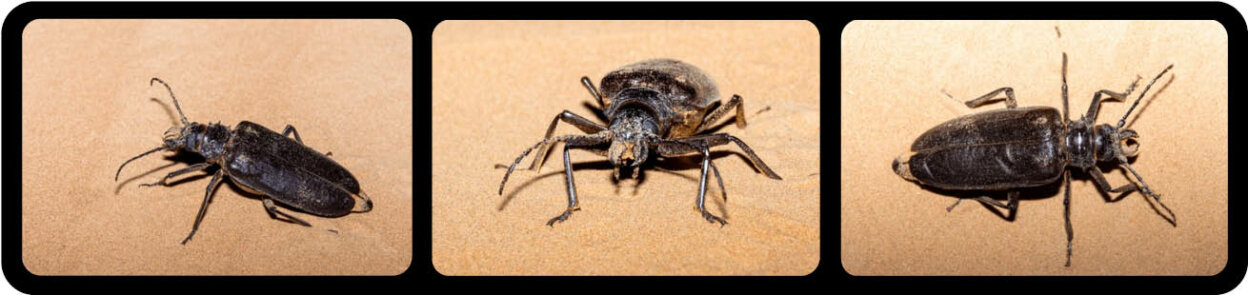
Longhorn Beetles Bite:
Understanding Defensive Behavior and Mandibular Function in Cerambycidae
Taxonomic Position: Order Coleoptera, Family Cerambycidae
Common Question: Do longhorn beetles bite humans?
Short Answer: Yes, some species can bite when handled, though bites are generally not dangerous
Primary Function of Mandibles: Wood chewing (larvae) and plant material manipulation (adults)
Longhorn beetles (family Cerambycidae) can bite humans if mishandled, though this is rare and typically defensive. Their mandibles are adapted for chewing wood, but they may inflict painful bites when threatened.
Wikipedia
Introduction: Can Longhorn Beetles Bite?
A common question among people encountering longhorn beetles (family Cerambycidae) is whether these often-large and sometimes intimidating insects can bite humans. The answer is nuanced: while longhorn beetles possess functional mandibles capable of biting, their primary adaptations are for processing plant materials rather than defense. However, when handled or threatened, some species will attempt to bite as a defensive behavior. Understanding the biting capabilities, risks, and contexts of cerambycid biting behavior requires examination of their mandibular morphology, natural behaviors, and interactions with humans.
This article explores the reality of longhorn beetle bites from scientific and practical perspectives, addressing questions about bite capability, potential harm, circumstances leading to bites, variations among species, and appropriate handling to minimize bite risk. By understanding cerambycid mandibular function and defensive behaviors, we can better appreciate these beetles while avoiding unnecessary harm to both humans and insects.
Beetles
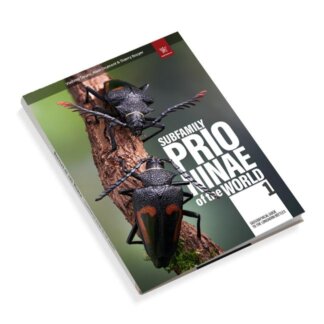
Books about Beetles
Unique pictorial atlases for identifying Beetles:
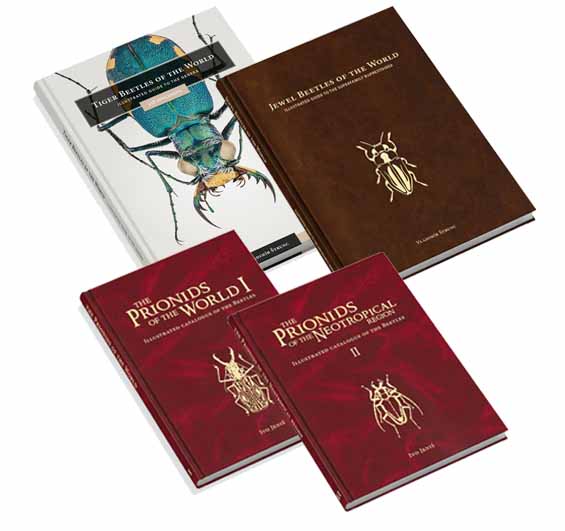
(2020) Tiger Beetles of the World, Cicindelidae, Illustrated guide to the genera
(2023) Tiger Beetles of Africa, Cicindelidae, Geographical guide to the family Cicindelidae
(2024) Tiger Beetles of Orient, Cicindelidae, Geographical guide to the family Cicindelidae
(2022) Ground Beetles of Africa, Afrotropical Region
(2022) Jewel Beetles of the World, Buprestidae, Illustrated guide to the Superfamily Buprestoidea
(2008) The Prionids of the World, Prioninae, Illustrated catalogue of the Beetles
(2010) The Prionids of the Neotropical region, Prioninae, Illustrated catalogue of the Beetles
Main Features: Mandibular Morphology and Biting Capability
The mandibles of longhorn beetles are primarily adapted for their ecological roles as wood-borers (larvae) and plant material processors (adults), not for defense or predation. However, these same structures can function defensively when beetles are threatened, with biting capability varying considerably among species based on mandible size, shape, and mechanical advantage.
Mandibular Structure and Function
Cerambycid mandibles are sclerotized (hardened) structures composed of chitin and proteins, articulated to the head capsule through condylar joints that allow opening and closing movements. The mandibles move in a transverse plane, scissoring together to cut, crush, or manipulate materials. Internal muscles provide closing force, with muscle mass and attachment points determining bite strength.
The typical cerambycid mandible features:
- Apical teeth: Sharp points at the mandible tips that concentrate force and penetrate materials
- Molar surfaces: Grinding areas on inner mandible faces that crush plant tissues
- Cutting edges: Sharp margins along mandible length that shear materials
- Variable shapes: Forms ranging from simple and robust to elongate and curved, reflecting different functional requirements
In larvae, mandibles are extremely robust and powerful, designed for chewing through hard wood. The enlarged prothorax houses massive mandibular muscles that generate substantial force for excavating tunnels in solid wood. Adult mandibles are generally smaller relative to body size but still functional for various tasks including bark chewing, leaf feeding, or defensive biting.
Size Variation and Bite Strength
Mandible size varies enormously across the family’s vast diversity. Small cerambycids of only a few millimeters length have correspondingly tiny mandibles incapable of penetrating human skin. Medium-sized species have mandibles that may pinch skin uncomfortably but rarely break it. Large species, particularly in subfamilies Prioninae and some Cerambycinae and Lamiinae, possess substantial mandibles that can deliver genuinely painful bites capable of breaking skin.
The largest cerambycids, including species like Titanus giganteus, Macrodontia cervicornis, and various large Prionus species, have mandibles capable of delivering bites that can draw blood and cause localized pain persisting for minutes to hours. However, even these impressive mandibles are not venomous and do not inject toxins.
Sexual Dimorphism in Mandibles
Some cerambycid species exhibit sexual dimorphism in mandible development, though this is generally less pronounced than in families like Lucanidae (stag beetles). Males of some species have slightly larger or differently shaped mandibles than females, potentially reflecting roles in male-male competition or mate manipulation during copulation. However, in many cerambycids, mandible sexual dimorphism is minimal or absent.
When sexual dimorphism does occur, males may have more elongate or curved mandibles, though these are still primarily adapted for plant material processing rather than combat. In contrast to stag beetles where male mandibles are highly specialized weapons, cerambycid mandibles in both sexes remain functionally similar and primarily oriented toward feeding-related tasks.
Comparative Mandibular Morphology
Subfamily Variation in Bite Capability:
- Prioninae: Generally have robust, powerful mandibles. Large species can deliver strong, potentially painful bites. Mandibles adapted for cutting tough plant material.
- Cerambycinae: Variable mandibles ranging from small and weak to moderately large. Most species have limited bite strength, though larger species can pinch painfully.
- Lamiinae: Highly variable given subfamily’s enormous diversity. Many species have relatively short, robust mandibles; some can bite defensively with moderate effect.
- Lepturinae: Typically smaller species with weaker mandibles. Most incapable of delivering significant bites to humans.
How to Identify Biting Behavior and Risk Assessment
Not all longhorn beetles exhibit defensive biting behavior with equal readiness, and understanding which species are more likely to bite, under what circumstances biting occurs, and how to assess bite risk helps both in avoiding unwanted encounters and in safely handling beetles when necessary.
Species-Level Variation in Defensive Biting
Biting propensity varies among cerambycid species based on temperament, defensive repertoire, and mandibular capability. Some species readily attempt to bite when handled, while others rarely employ biting as a defensive strategy, preferring alternative defenses like flight, thanatosis (feigning death), stridulation (sound production), or remaining motionless.
Large-bodied species, particularly in Prioninae, are more likely to bite defensively and have the mandibular strength to make bites noticeable. Species with robust builds and limited flight capability may rely more heavily on biting than highly agile species that can escape readily. Nocturnal species disturbed during daytime hiding may bite more readily than diurnal species accustomed to being active and exposed.
Behavioral Indicators of Potential Biting
Beetles about to bite typically exhibit warning behaviors that attentive observers can recognize:
- Mandible spreading: Opening mandibles wide in a threatening display, clearly visible particularly in larger species
- Head orientation: Turning the head toward the perceived threat and positioning mandibles for biting
- Body stiffening: Tensing body in preparation for defensive action
- Stridulation: Producing squeaking or hissing sounds by rubbing body parts together, often accompanying or preceding bite attempts
- Leg bracing: Securing position with legs to provide leverage for bite force
Recognizing these warning signs allows handlers to adjust grip or release the beetle before it bites. Many bites can be avoided simply by respecting these defensive displays and handling beetles more carefully or not at all.
Size-Based Risk Assessment
As a general rule, bite risk and potential pain correlate with beetle size:
Small species (under 15 mm): Minimal to no bite risk. Mandibles too small to penetrate human skin or cause discomfort. Handling safe from biting perspective.
Medium species (15-40 mm): Capable of pinching skin but rarely breaking it. Bites may be momentarily uncomfortable but cause no lasting harm. Low risk, minimal concern.
Large species (40-80+ mm): Capable of delivering genuinely painful bites that may break skin. Bites can cause localized pain, minor bleeding, and potentially small wounds. Handling requires care to avoid bites.
These are generalizations; individual species variation means some small species have disproportionately strong mandibles while some large species are docile and rarely bite. However, size provides a reasonable first approximation of bite risk.
Context and Circumstances Leading to Bites
Longhorn beetles do not bite aggressively or offensively; bites occur exclusively in defensive contexts when beetles feel threatened. Common circumstances leading to bites include:
- Handling: Picking up beetles, particularly rough handling or gripping beetles tightly
- Restraint: Preventing beetle movement or escape, triggering defensive responses
- Startle responses: Sudden disturbance of resting beetles
- Inadvertent contact: Accidentally touching beetles hidden in clothing, firewood, or other locations
- Confined spaces: Beetles trapped against skin or in tight spaces
Notably, cerambycids do not actively seek to bite humans and will not pursue or attack people. All bites result from beetles defending themselves when they perceive threats. Simply observing beetles without touching them eliminates bite risk entirely.
Occurrence and Main Habitats: Where Bites May Occur
Understanding where humans are likely to encounter longhorn beetles helps contextualize bite risk and identify situations requiring awareness of potential defensive biting.
Natural Habitats and Encounters
Longhorn beetles occur in forested areas, woodlands, parks, and any habitat with woody plants. Most human encounters with cerambycids occur in these settings:
Forests and woodlands: Hikers, foresters, naturalists, and others working or recreating in forests may encounter cerambycids on vegetation, attracted to lights, or emerging from dead wood. Handling found beetles for identification or photography can result in defensive bites if care is not taken.
Parks and gardens: Urban and suburban green spaces supporting trees host cerambycid populations. Adults attracted to lights around buildings, feeding on flowers, or flying during warm evenings may contact humans. Handling is again the primary bite risk factor.
Firewood and lumber: Adults emerging from firewood, construction lumber, or wood products can surprise people, leading to startled reactions and potential handling that provokes defensive bites. Larvae developing in stored wood pose no bite risk as they remain concealed until adult emergence.
Seasonal Patterns
In temperate regions, adult cerambycid activity peaks during warm months, typically late spring through summer. This seasonal concentration of adult activity corresponds with the period of highest human-beetle encounter frequency and thus greatest bite likelihood. However, even during peak activity periods, actual bites are uncommon because most people do not handle beetles.
In tropical regions with year-round warm conditions, cerambycid activity may be less seasonally concentrated, though rainfall patterns often influence emergence timing. Year-round activity potential means encounters can occur any time, though again, actual bites remain uncommon absent handling.
Attraction to Lights
Many nocturnal cerambycid species are attracted to artificial lights, bringing them into close proximity with humans around outdoor lighting. Beetles may fly at people near lights, land on clothing, or enter buildings through open windows and doors. While startling, these encounters rarely result in bites unless people attempt to remove beetles from clothing or hair by grabbing them, which can trigger defensive biting.
Indoor Encounters
Cerambycids occasionally enter buildings, either attracted to lights or emerging from infested wood products or furniture. Indoor beetles may crawl on floors, walls, or ceilings, occasionally contacting sleeping people or being discovered in unexpected locations. Again, bites occur primarily if beetles are grabbed or compressed against skin without opportunity to escape.
Lifestyle and Behavior: Defensive Biting in Context
Understanding defensive biting requires placing it in the broader context of cerambycid behavior and ecology. Biting is one component of a defensive repertoire that varies among species and life stages.
Primary Defensive Strategies
Longhorn beetles employ multiple defensive strategies when threatened, with biting being neither universal nor necessarily primary:
Flight: Most cerambycid species are capable fliers and escape from threats by taking flight. This is often the first defensive response, with biting occurring only if flight is prevented or impossible.
Thanatosis (death feigning): Many species drop from perches and remain motionless when disturbed, feigning death. This behavior exploits predator psychology where movement triggers attack responses. Beetles may remain immobile for seconds to minutes before resuming activity.
Cryptic behavior: Remaining motionless and relying on camouflage coloration to avoid detection is a primary defense for many species. Nocturnal species disturbed during daytime often remain still rather than fleeing or biting.
Stridulation: Many cerambycids produce sounds by rubbing body parts together when threatened. These squeaking, hissing, or rasping sounds may startle predators or signal that the beetle is defended, potentially deterring attack without requiring biting.
Reflex bleeding: Some species release hemolymph (insect blood) from leg joints when threatened, a behavior called reflex bleeding or autohemorrhaging. The hemolymph may contain deterrent compounds making beetles unpalatable.
Defensive biting: When other defenses fail or are unavailable, some species resort to biting. This typically occurs when beetles are restrained, grabbed, or otherwise unable to flee.
Biting as Last Resort Defense
For most cerambycid species, biting appears to be a last-resort defense employed when other strategies are unavailable or ineffective. Beetles that can fly typically do so rather than biting. Beetles that successfully feign death avoid detection and thus avoid the need to bite. Only when these primary defenses fail does biting become relevant.
This pattern makes sense given that biting exposes beetles to risk. Engaging with a predator through biting requires the beetle to remain in contact with the threat rather than escaping. For relatively fragile insects facing vertebrate predators, engaging through biting is risky and best avoided if alternatives exist. However, when grasped by a predator or human, biting may convince the captor to release the beetle, making it worthwhile despite risks.
Context-Dependent Defensive Responses
The defensive strategy employed varies with context. A beetle discovered at rest may remain motionless (crypsis). If approached more closely, it may take flight. If grabbed, it may first attempt stridulation and reflex bleeding before escalating to biting. The escalation through defensive repertoires suggests a hierarchy where less risky defenses are tried first, with biting reserved for circumstances where other options have failed.
Individual variation exists, with some individuals more prone to biting than others even within species. This variation may reflect genetic differences, prior experience, or physiological state influencing defensive thresholds.
Mandibular Functions Beyond Defense
It is crucial to recognize that defensive biting is not the primary function of cerambycid mandibles. These structures evolved for and are primarily used for:
Larval feeding: Larvae use mandibles to chew wood, creating tunnels and consuming woody tissues. This is the primary selective pressure shaping mandible morphology and strength.
Adult feeding: Adults use mandibles to manipulate bark, leaves, pollen, or other plant materials during feeding. Some species chew bark to create wounds allowing sap flow.
Oviposition preparation: Females chew pits or slits in bark for egg deposition, requiring functional mandibles for reproductive success.
Emergence: Adults chew exit tunnels from wood when emerging from pupal chambers, requiring strong mandibles to penetrate bark or hard wood.
These feeding and reproductive functions are the primary drivers of mandible evolution. Defensive biting is a secondary application of structures evolved for other purposes.
Food and Role in Ecosystem: Mandibular Function in Feeding
Understanding cerambycid feeding ecology illuminates why their mandibles are shaped as they are and clarifies that biting capability is a byproduct of feeding adaptations rather than a primary evolved function.
Larval Wood-Chewing and Mandibular Power
The extraordinary mandibular strength of cerambycid larvae reflects the extreme demands of wood-chewing. Wood is among the hardest, toughest materials that any insect consumes. Successfully excavating tunnels through solid wood requires immense bite force generated by massive mandibular muscles.
Larval mandibles are short, robust, and powerfully built. The points and cutting edges concentrate force to initiate cracks in wood structure. The grinding surfaces crush wood fragments once initial penetration occurs. The mandibles work in concert with powerful neck and prothoracic muscles to drive the head forward, forcing mandibles into wood.
This wood-chewing capability, essential for larval survival and growth, incidentally creates powerful mandibles that could theoretically be used defensively. However, larvae rarely encounter situations where defensive biting is relevant, being concealed within wood substrates that provide protection from most predators.
Adult Feeding and Mandibular Use
Adult mandibles, while generally less massive than larval mandibles, remain functional for various feeding activities:
Bark chewing: Many species chew through bark to access cambium, phloem, or to create wounds releasing sap. This requires mandibles capable of cutting tough, fibrous bark tissues.
Leaf and flower feeding: Flower longhorns and other species feeding on leaves, pollen, or floral tissues use mandibles to manipulate these materials. While softer than wood, these tissues still require effective cutting and chewing.
Sap feeding: Even species feeding primarily on liquids may use mandibles to widen sap flows or access sugar sources.
The functional demands of adult feeding maintain selection for working mandibles throughout the adult stage, even in species where adult feeding is minimal. This functional maintenance means mandibles remain capable of defensive biting even if that is not their primary role.
Ecological Roles and Indirect Bite Relevance
The ecological importance of cerambycids as decomposers and herbivores relates only tangentially to their biting capability. Their value in ecosystems derives from larval wood decomposition, adult pollination contributions, and participation in food webs. Biting ability is incidental to these ecological functions.
However, defensive biting may contribute to individual survival by deterring predators, allowing beetles to escape and continue their ecological roles. A bite that convinces a bird to drop a beetle may save that individual to continue reproducing, tunneling, or pollinating. In this indirect way, biting capability may support population persistence and thus maintenance of ecological functions.
Life Cycle: Development of Biting Capability
Biting capability varies across cerambycid life stages, with different functional demands shaping mandibular morphology and strength during development.
Egg and Early Larval Stages
Newly hatched first instar larvae possess functional mandibles immediately upon emergence from eggs. These tiny mandibles, though small, are proportionally robust and capable of chewing plant tissues. Early instar larvae typically feed in or just beneath bark, chewing softer tissues before boring deeper into wood as they grow.
Even tiny first instar mandibles are effectively designed for their task, capable of initiating tunnels that will expand through successive molts. While these minute structures pose no bite risk to humans due to their size, they are functionally complete mandibles capable of processing tough plant materials.
Larval Development and Mandibular Growth
Through successive larval molts, mandibles grow larger and more powerful. Each instar has mandibles scaled to body size and feeding requirements. As larvae grow, they bore into harder wood and create larger tunnels, requiring increasingly powerful mandibles.
The massive prothorax characteristic of cerambycid larvae houses enormous mandibular muscles that grow in proportion to mandible size. By the final larval instar, particularly in large species, the mandibular apparatus is extraordinarily powerful, capable of chewing through very hard wood.
This progressive development of mandibular power reflects the increasing demands of wood-boring as larvae grow. Larger larvae creating larger tunnels in harder wood require greater bite force than small larvae in soft substrates.
Pupal Stage and Mandibular Transformation
During pupation, larval structures including mandibles are reorganized into adult form. The robust, wood-boring mandibles of larvae are replaced by adult mandibles adapted for different functions. This transformation reflects the shift from wood-boring larvae to free-living, typically plant-feeding adults.
Adult mandibles typically emerge from the pupal stage proportionally smaller than final instar larval mandibles, though size relationships vary among species. The mandibles harden and pigment during the teneral period following eclosion, developing full functional capability as the adult cuticle sclerotizes.
Adult Stage and Mandibular Function
Fully developed adult mandibles serve the feeding, reproductive, and defensive functions discussed previously. These structures remain functional throughout adult life, though mandibular teeth may wear with use, potentially reducing bite effectiveness in old adults.
The adult period is when humans most commonly encounter cerambycids and thus when defensive biting is most likely to affect people. Adult emergence, dispersal, and reproductive activities bring beetles into spaces where human contact occurs, creating opportunities for defensive interactions including biting.
Ontogenetic Changes in Defensive Behavior
Defensive behaviors, including biting tendency, may change across life stages. Larvae, being concealed within wood, rarely face circumstances requiring defensive biting. Adults, being exposed and mobile, more frequently encounter potential threats and thus more commonly employ defensive biting.
Newly emerged adults during the teneral period when cuticle is still hardening may be less prone to defensive biting, being more vulnerable and perhaps prioritizing remaining hidden over confrontational defense. Fully hardened adults with complete cuticle sclerotization may more readily attempt defensive biting, having achieved protective exoskeleton development.
Bionomics – Mode of Life and Biting Behavior
Examining how biting behavior fits into cerambycid life history and ecology provides deeper understanding of when, why, and how these beetles employ this defensive strategy.
Predator-Prey Dynamics and Defensive Biting
Longhorn beetles face predation throughout their life cycle from diverse predators including birds, bats, reptiles, amphibians, spiders, predaceous insects, and mammals. Defensive biting may deter some predators, particularly those that learn to associate bites with cerambycid prey and subsequently avoid them.
However, biting effectiveness against different predators varies. Birds with hard beaks may be undeterred by beetle bites that would pain humans. Conversely, soft-mouthed predators like some mammals might be more sensitive to bites. The evolutionary maintenance of defensive biting suggests it provides sufficient survival benefit to outweigh costs, even if not universally effective against all predators.
Learning and Experience in Defensive Behavior
Whether individual cerambycids learn from experience and modify defensive behaviors, including biting readiness, based on prior encounters remains largely unknown. Some insects show learning capabilities that allow defensive behavior modification, while others exhibit largely innate defensive responses.
If cerambycids can learn, individuals that successfully deterred predators through biting might become more likely to bite when threatened again. Conversely, individuals for whom biting proved ineffective might rely more on other defenses. However, the short adult lifespan of many cerambycids may limit opportunities for learning to influence defensive repertoires significantly.
Energetic Costs and Trade-offs
Defensive behaviors including biting involve costs and trade-offs. Engaging in defensive combat expends energy and time that could be allocated to reproduction or feeding. Biting risks mandibular damage, particularly if beetles bite hard objects or struggle against restraint.
These costs mean defensive biting should be deployed judiciously, employed when benefits (deterring predators, enabling escape) exceed costs. The observation that many cerambycids attempt other defenses before biting suggests a cost-benefit hierarchy where less costly defenses are tried first, with biting reserved for situations where benefits clearly justify costs.
Chemical Defenses and Biting
Some cerambycid species possess chemical defenses including toxic or deterrent compounds in their hemolymph or defensive secretions. Species with effective chemical defenses may rely less on biting, having alternative means of deterring predators. Conversely, species lacking chemical defenses might rely more heavily on mechanical defenses including biting.
The interaction between chemical and mechanical defenses creates diverse defensive syndromes across cerambycid diversity. Some species are chemically defended, aposematically colored, and rarely bite. Others lack chemical defenses, are cryptically colored, and more readily bite when cornered. Understanding these syndromes helps predict which species are most likely to bite.
Handling Stress and Bite Likelihood
The stress of being handled influences bite likelihood. Gentle handling that allows the beetle to move somewhat freely and does not compress it forcefully may elicit minimal defensive response. Rough handling, tight gripping, or preventing all movement increases stress and thus bite likelihood.
This relationship has practical implications for those needing to handle cerambycids for scientific or management purposes. Minimizing handling stress through gentle techniques reduces bite risk while also reducing stress on beetles, improving both human safety and insect welfare.
Distribution: Geographic Variation in Biting Species
While cerambycids occur worldwide and all possess mandibles capable of at least attempting to bite, the species most likely to deliver significant bites to humans are not evenly distributed globally. Geographic patterns in species size and diversity influence where encounters with biting-capable cerambycids are most likely.
Tropical Regions and Large Species
Tropical regions, particularly tropical rainforests, harbor both the highest cerambycid diversity and the largest species. The occurrence of giants like Titanus giganteus in South America, Batocera species in Asia, and various large Macrodontia and Acrocinus species in the Neotropics means tropical regions present higher likelihood of encounters with species capable of delivering genuinely painful bites.
However, even in tropical regions, actual bites remain uncommon because most people do not handle wild beetles, and cerambycids do not pursue or attack people unprovoked. The potential for painful bites exists but is rarely realized except among entomologists, insect collectors, or others deliberately handling beetles.
Temperate Regions and Moderate-Sized Species
Temperate North America, Europe, and Asia support diverse cerambycid faunas but generally lack the extreme giants found in tropics. The largest temperate species, including Prionus species in North America and Europe, Ergates species, and various large Asian species, can deliver painful bites but are generally less formidable than tropical giants.
Temperate species most commonly encountered by humans include medium-sized species that may pinch uncomfortably but rarely break skin. Common genera like Monochamus, Saperda, and many Leptura species have limited bite capability presenting minimal risk to people.
Regional Pest Species and Human Contact
Some regions have particular cerambycid pest species that create increased likelihood of human-beetle contact and thus potential for bites. Asian longhorned beetle (Anoplophora glabripennis) in invaded regions, various Monochamus species in coniferous forest areas, and other economically important species may be encountered more frequently than non-pest species.
However, pest status does not necessarily correlate with biting behavior. Some pest species readily bite when handled while others are docile. Public education about particular pest species should include information about handling safety and bite risk where relevant.
Regional Awareness
People working or recreating in areas with large cerambycid species should be aware that handling these beetles can result in painful bites. This awareness is particularly relevant in tropical regions and for people handling beetles professionally (entomologists, pest control operators, forestry workers). However, the vast majority of casual encounters with cerambycids, even large species, do not result in bites if beetles are not handled.
Medical Significance and Bite Treatment
Understanding the medical implications of cerambycid bites and appropriate response to bites provides practical guidance for the rare occasions when bites occur.
Nature of Cerambycid Bites
Longhorn beetle bites are purely mechanical injuries caused by mandibles pinching or cutting skin. Unlike some insects that inject venom when biting (such as assassin bugs or some beetles in other families), cerambycids do not inject toxins. The mandibles simply compress, pinch, or cut tissues through mechanical force.
Bite effects include:
- Pain: Immediate pain at bite site, intensity proportional to bite force and tissue damage. Pain typically peaks immediately and diminishes over minutes to hours.
- Skin compression or breakage: Small species may compress skin without breaking it. Larger species may create small puncture wounds or cuts.
- Minor bleeding: Bites that break skin may bleed minimally, typically stopping quickly without intervention.
- Localized redness: Mechanical tissue damage causes inflammatory response with redness around bite site.
- Temporary swelling: Minor swelling may occur at bite site due to inflammatory response.
Absence of Venom and Systemic Effects
Cerambycid bites do not involve venom injection and thus do not cause systemic effects. There is no risk of anaphylaxis, systemic poisoning, or serious medical consequences from the bite itself. All effects are local and result from mechanical tissue damage.
This distinction is important because it means cerambycid bites, while potentially painful, are not medically dangerous. Even bites from the largest species causing skin breakage and temporary pain are not serious injuries requiring medical attention in vast majority of cases.
Infection Risk and Prevention
The primary medical concern with any bite or puncture wound is potential for secondary infection. While the bite itself is not dangerous, bacteria introduced into the wound from beetle mandibles, skin surface, or environmental contamination could potentially cause infection if wounds are not properly managed.
Infection risk with cerambycid bites is low because:
- Most bites do not break skin, eliminating infection pathway
- Wounds that do occur are typically small and superficial
- Cerambycid mandibles are not particularly contaminated with pathogenic bacteria compared to mouthparts of blood-feeding or carrion-associated insects
However, appropriate wound care minimizes already-low infection risk and is recommended for any bite breaking skin.
First Aid and Bite Management
Recommended Response to Cerambycid Bites:
Immediate response:
- If beetle is still attached, gently remove it by carefully opening mandibles rather than pulling beetle away, which can cause additional tissue damage
- Move away from beetle to prevent additional bites
For bites not breaking skin:
- No specific treatment typically needed
- Ice or cold compress may reduce discomfort if bite is painful
- Pain should resolve within minutes to hours
For bites breaking skin:
- Wash bite site with soap and water to remove potential contaminants
- Apply antiseptic if available
- Cover with clean bandage if desired, though small punctures often do not require covering
- Monitor for signs of infection (increasing redness, warmth, swelling, pus) over following days
- Seek medical attention if signs of infection develop, though this is uncommon
When to seek medical attention:
- Signs of infection developing (unusual given minor nature of typical bites)
- Allergic reaction occurring (extremely rare with mechanical bites lacking venom)
- Concern about wound management or healing
Psychological versus Physical Impact
For many people, the surprise and alarm of being bitten by a large beetle may be more distressing than the physical pain. Large cerambycids can be intimidating in appearance, and unexpected bites can startle people even when pain is minor.
Understanding that bites are defensive reactions from frightened insects, not aggressive attacks, and that serious harm is extremely unlikely, helps put the experience in perspective. Education about beetle biology and behavior can reduce anxiety about encounters and bites.
Prevention and Safe Handling
For those who may need to handle cerambycids for scientific, educational, or management purposes, or who simply wish to observe beetles closely, understanding how to minimize bite risk benefits both humans and beetles.
Observation Without Handling
The simplest way to eliminate bite risk is to observe cerambycids without handling them. Beetles on vegetation, attracted to lights, or encountered in the field can be observed, photographed, and appreciated without physical contact. This no-contact approach eliminates bite risk entirely while also avoiding stress to beetles.
Close observation using macro lenses, magnifying glasses, or simply close visual inspection allows detailed examination without handling. Many behavioral observations and even some scientific studies can be conducted without capturing or handling beetles.
Gentle Handling Techniques
When handling is necessary, gentle techniques minimize both bite risk and beetle stress:
- Encourage voluntary crawling: Allow beetles to walk onto hands or collection containers voluntarily rather than grabbing them. Beetles that walk onto hands of their own accord are less stressed and less likely to bite.
- Support body weight: When holding beetles, support their body weight with open hands rather than gripping tightly. Allow some freedom of movement.
- Avoid confinement against skin: Do not trap beetles against skin where they may feel cornered and bite defensively.
- Handle briefly: Minimize handling duration to reduce cumulative stress.
- Recognize warning signs: If beetles spread mandibles or stiffen in apparent preparation to bite, adjust handling or release them.
Physical Protection
When handling species known to bite readily or capable of painful bites, physical protection can prevent injuries:
- Gloves: Leather or heavy fabric gloves prevent mandibles from contacting skin. However, gloves reduce dexterity and may make gentle handling more difficult.
- Tools: Soft forceps, brushes, or containers allow manipulation without direct hand contact. This is preferable for aggressive species or when gentle hand-handling proves difficult.
- Containers: Transferring beetles directly into clear containers allows examination without handling.
Species-Specific Approaches
Different cerambycid species vary in handling tolerance. Experience with particular species informs appropriate handling strategies:
Docile species: Many cerambycids, particularly smaller species and many flower longhorns, tolerate gentle handling with minimal defensive response. These can often be handled safely with minimal precautions.
Readily biting species: Some species, particularly large Prioninae and some other groups, bite readily when handled. These require more careful handling or use of protective equipment.
Aggressive species: A few species exhibit particularly aggressive defensive behavior and bite at slightest provocation. These are best observed without handling or handled only with appropriate protection.
Ethical Considerations
Beyond safety concerns, ethical treatment of beetles should guide handling decisions. Unnecessary handling stresses beetles and may reduce survival or reproductive success. Handling should be limited to situations where scientific, educational, or management purposes justify potential impacts on individual beetles.
When handling is necessary, minimizing stress, duration, and physical impact respects beetle welfare while also reducing bite risk through reduced defensive arousal.
Conclusion
Longhorn beetles can indeed bite when handled or threatened, though biting capability varies tremendously among the family’s thousands of species. Small species pose no bite risk, while the largest species can deliver genuinely painful bites capable of breaking skin. However, even these impressive bites are not medically dangerous, involving no venom and causing only localized, temporary pain and minor tissue damage.
Understanding that cerambycid bites are purely defensive responses, not aggressive attacks, helps contextualize the rare occasions when bites occur. These beetles do not seek to bite humans and will not pursue or attack people. All bites result from beetles defending themselves when they feel threatened, typically when being handled. Simply observing beetles without touching them eliminates bite risk entirely.
The mandibles that create biting capability evolved primarily for feeding-related tasks including wood-chewing by larvae and plant material processing by adults. Defensive biting is a secondary application of structures shaped by ecological rather than defensive selection pressures. This explains why mandible morphology varies more with feeding ecology than with defensive requirements.
For the vast majority of people who encounter longhorn beetles only occasionally and do not handle them, bite risk is essentially zero. Even among those who handle beetles regularly, including entomologists and pest management professionals, bites are relatively uncommon and rarely serious. Simple awareness of bite potential and use of gentle handling techniques when handling is necessary minimize the already-low risk.
Medical significance of cerambycid bites is minimal. The mechanical nature of bites, absence of venom, and typically minor tissue damage mean these are not medical emergencies. Basic wound care for bites that break skin is generally sufficient, with infection risk low and serious complications extremely rare.
From broader biological perspectives, defensive biting capability illustrates how structures evolved for one function (feeding) can be co-opted for others (defense), demonstrating the opportunistic nature of evolution. The variation in biting behavior among species and individuals shows that defensive strategies are flexible and context-dependent, reflecting complex trade-offs between defense costs and benefits.
Ultimately, appreciation and understanding of longhorn beetles, including their biting capability, should enhance rather than diminish our regard for these remarkable insects. Their ecological importance as decomposers and their spectacular diversity deserve recognition. The minor risk of defensive bites should not overshadow the significant roles cerambycids play in forest ecosystems or their value as subjects of scientific study and aesthetic appreciation. With appropriate awareness and respectful treatment, humans and longhorn beetles can coexist peacefully, with bites remaining rare exceptions rather than common occurrences.