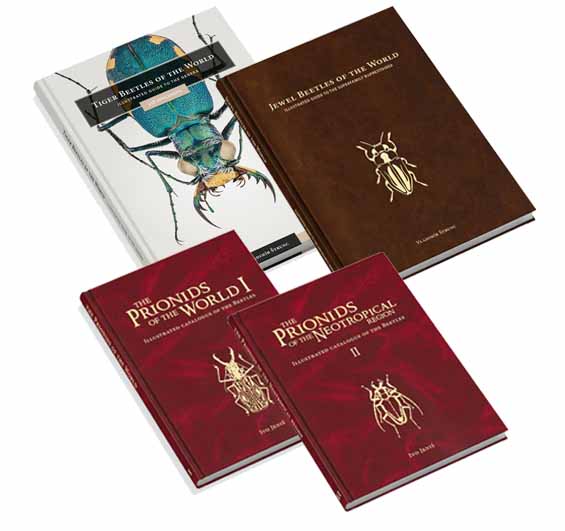
Coleoptera in the Afrotropical Region
1. Introduction to the Order Coleoptera in the Afrotropical Region
The order Coleoptera (beetles) represents one of the most species-rich and ecologically significant groups of insects in the Afrotropical region. The Afrotropical realm comprises sub-Saharan Africa, Madagascar, the surrounding islands of the Indian Ocean, and parts of the Arabian Peninsula. It is characterized by an extraordinary diversity of environments—from tropical rainforests and savannas to montane cloud forests and semi-deserts—which provides ideal conditions for the evolution and diversification of beetles.
With an estimated thousands of described and yet-undiscovered species, Afrotropical beetles play a key role in ecosystems: they participate in the decomposition of organic matter, pollination, regulation of other insect populations, and serve as an important food source for many vertebrates. This exceptional species richness and functional diversity make Afrotropical Coleoptera an especially attractive subject for collectors, professional entomologists, students, and natural history enthusiasts alike.
Afrotropical beetles include both iconic, visually striking genera—such as majestic rhinoceros beetles and flower chafers—as well as inconspicuous groups of leaf beetles, rove beetles, and darkling beetles that often escape attention despite their fundamental ecological importance. Accurate identification, understanding of their ecology and biogeography, and effective study of these groups require high-quality scientific literature, clear educational tools, and well-structured visual materials.
Modern entomological practice in the Afrotropical region increasingly relies not only on classical identification keys and monographs, but also on didactic tools: detailed illustrations of morphological characters, overview plates of genera and families, field teaching kits, and systematically arranged cards featuring images and essential species data. Such materials facilitate orientation within the enormous number of species, support teaching at schools and universities, and promote the popularization of entomology among the wider public.
The aim of this text is to present the fundamental significance of the order Coleoptera in the Afrotropical region, outline the main patterns of its species and ecological diversity, and demonstrate how specialized entomological publications and educational materials—including thematic magnetic insect cards—can support more accurate knowledge and effective teaching of this fascinating group of organisms.
2. Biogeographic Delimitation of the Afrotropical Region and Its Specific Characteristics
2.1 Biogeographic Definition of the Afrotropical Region
The Afrotropical region (Afrotropical Realm) is one of the classical biogeographic regions of the world and, with respect to Coleoptera, ranks among the richest and most intriguing. Unlike political divisions of Africa, biogeographic delimitation is based primarily on long-term barriers to organismal dispersal, climatic zones, and the evolutionary history of flora and fauna.
The Afrotropical region is most commonly defined as including:
- most of sub-Saharan Africa,
- Madagascar and adjacent islands of the western Indian Ocean (Comoros, Mascarene Islands, etc.),
- the southern part of the Arabian Peninsula (locally transitional in character),
- smaller Atlantic islands with a strong African biotic influence.
The northern boundary of the region typically follows the southern margin of the Sahara Desert, which acts as a major biogeographic barrier between the Afrotropical and Palearctic regions. This boundary is particularly important for Coleoptera, as many groups show sharply delimited ranges at the interface between Saharan and Sahelian zones.
2.2 Internal Subdivision of the Afrotropical Region for the Study of Coleoptera
For entomologists and beetle collectors, the Afrotropical region is not a homogeneous unit. For practical reasons—such as expedition planning, literature acquisition, collection management, and the creation of educational or magnetic insect cards—it is commonly divided into several subregions or provinces:
Guineo-Congolian Rainforest
The most species-rich area of Coleoptera in the Afrotropics, encompassing lowland and montane rainforests of West and Central Africa. For collectors, it represents a key source of morphologically and chromatically diverse beetles, including brightly colored chafers, weevils, rainforest carabids, and numerous saproxylic species associated with dead wood.
Savannas and Mosaic Landscapes of the Sahel and Eastern Africa
Characterized by seasonally dry habitats with grasses, acacias, and termite mounds. Dominant Coleoptera include coprophagous scarabs, ground beetles adapted to dry soils, and specialized taxa associated with termite nests and sandy substrates.
Southern Africa and the Karoo
A region with exceptional endemism, where unique beetle lineages have evolved, including iconic scarab and flower beetle genera. High habitat heterogeneity (fynbos, semi-deserts, montane environments) results in remarkable local diversity of Coleoptera.
Madagascar and Surrounding Islands
A distinct biogeographic unit with a high degree of endemism. Many genera and species of Coleoptera occur nowhere else in the world, increasing the scientific and educational value of literature and collection material from this area. For entomological education, Madagascar serves as a model example of island evolution.
This subdivision facilitates orientation in scientific literature, which is often focused on specific subregions. When acquiring entomological books or educational tools, it is therefore important to note whether a publication covers the entire Afrotropical region or only selected provinces.
2.3 Climatic and Ecological Specificities of the Afrotropical Region
The combination of extensive tropical rainforests, savannas, semi-deserts, and montane ecosystems is characteristic of the Afrotropical region and strongly shapes Coleoptera diversity.
Key ecological factors influencing beetle occurrence and evolution include:
Pronounced rainfall seasonality
Many species are active only during the rainy season, affecting expedition planning and interpretation of distribution data in scientific literature. Collectors and researchers often schedule fieldwork according to rainfall phenology.
Extensive savanna systems
Savannas provide abundant dung resources from large mammals, a crucial substrate for coprophagous beetles. The diversity of scarabs and other saprophages is exceptional, reflected in specialized entomological books and illustrated educational materials.
Large, relatively continuous tropical rainforests
Stable and humid microclimates promote the evolution of specialized beetles associated with specific host plants or microhabitats (fallen logs, tree cavities, epiphytes), increasing the need for detailed monographs and regional faunal works.
Ancient geological substrates and regional isolation
Long-term isolation of mountain ranges, plateaus, and islands has resulted in endemic beetle lineages. For collections and educational materials, many species can be presented as iconic endemics of specific mountains or islands.
2.4 Evolutionary and Historical Biogeographic Context
The Afrotropical region has played a major role in the evolution of Coleoptera. Continental drift, climatic fluctuations, and repeated expansions and contractions of forest and savanna belts have strongly influenced present-day species distributions.
Key factors include:
Gondwanan origins of certain lineages
Some Afrotropical Coleoptera trace their ancestry to ancient Gondwanan assemblages, explaining phylogenetic affinities between Afrotropical, Neotropical, and Australian taxa.
Pleistocene forest–savanna dynamics
During cooler and drier periods, rainforests fragmented into refugia while savannas expanded, isolating beetle populations and promoting speciation. This history is reflected in distribution maps in the scientific literature.
Island isolation of Madagascar
The long-term separation of Madagascar from mainland Africa resulted in highly distinctive beetle lineages, making Malagasy Coleoptera a model system for biogeographic and evolutionary studies.
2.5 Practical Importance of Biogeographic Delimitation
Biogeographic frameworks directly influence the production and use of entomological books, educational materials, and magnetic insect cards. A clear understanding of the Afrotropical region helps practitioners to:
- select appropriate identification keys and faunas,
- plan field expeditions by target subregions and expected beetle groups,
- organize collections according to regional standards,
- develop educational sets focused on specific habitats or endemic assemblages.
Thus, biogeographic delimitation is not merely an academic construct, but a practical tool facilitating orientation within the diverse Afrotropical beetle fauna and enhancing the usability of scientific and educational resources.
3. Species Diversity and Endemism of Afrotropical Coleoptera
3.1 Afrotropics as a Global Center of Beetle Diversity
The Afrotropical region is among the world’s richest areas in terms of beetle diversity. The coexistence of rainforests, savannas, mountain systems, and isolated islands has created numerous ecological niches in which beetle lineages have diversified over millions of years.
As a result, the Afrotropics host both widespread and highly specialized species. For students and professional entomologists alike, the region is a key source of insights into beetle evolution, adaptation, and biogeography, explaining the high demand for specialized literature and educational materials.
3.2 Known Versus Undiscovered Species
Despite long-standing research, the taxonomy of many Afrotropical beetle groups remains incomplete. The number of formally described species continues to increase as dozens to hundreds of new taxa are described annually.
Undescribed diversity is especially high among:
- microscopic saproxylic beetles associated with dead wood,
- soil and leaf-litter species of tropical forests,
- host-specific beetles of savannas and montane habitats.
The Afrotropics thus function as a “living laboratory,” where new species can still be discovered and existing taxa revised.
3.3 Species-Rich Families in the Afrotropics
Several beetle families are particularly diverse and significant:
- Scarabaeidae – exceptional diversity of dung beetles and phytophagous species, crucial for nutrient cycling.
- Carabidae – diverse predatory ground beetles, often with high endemism in forests and mountains.
- Curculionidae – extremely species-rich, closely associated with tropical plants, important for coevolutionary studies.
- Cerambycidae – large wood-boring beetles essential to forest succession and saproxylic communities.
- Tenebrionidae – dominant in arid and semi-arid habitats, adapted to extreme conditions.
- Coccinellidae – diverse predators of aphids and scale insects, important for biological control.
These families are prominently featured in monographs, atlases, and educational tools, including illustrated magnetic cards.
3.4 Endemism: Lineages Restricted to the Afrotropics
Endemism—the restriction of taxa to a specific geographic area—is particularly pronounced in the Afrotropics. Numerous beetle genera and evolutionary lineages occur nowhere else.
Examples include:
- endemic scarab genera adapted to specific savanna or montane habitats,
- localized carabids restricted to isolated mountain systems,
- specialized weevils associated with endemic plants of southern Africa and Madagascar.
3.5 Island Endemism: Madagascar and Other Islands
Madagascar and other Afrotropical islands represent major evolutionary laboratories. Long-term isolation has produced highly distinctive beetle faunas, including endemic longhorn beetles, weevils, and darkling beetles.
Detailed taxonomic monographs, high-quality illustrations, and curated collections are essential for studying this island endemism and for teaching biogeography and evolution.
4. Major Beetle Families in the Afrotropical Region
4.1 Scarabaeidae
Scarabaeidae are exceptionally diverse and ecologically crucial, including dung beetles, chafers, and rhinoceros beetles. They play a central role in nutrient cycling, dung decomposition, and soil aeration.
4.2 Carabidae
Ground beetles are key predators in Afrotropical ecosystems and serve as model organisms for biodiversity and environmental change studies.
4.3 Cerambycidae
Longhorn beetles are important wood decomposers and indicators of forest dynamics, valued both scientifically and educationally.
4.4 Coccinellidae
Lady beetles are major biological control agents and effective tools for teaching ecological interactions.
4.5 Tenebrionidae
Darkling beetles dominate arid habitats and illustrate adaptations to extreme environments.
4.6 Curculionidae
Weevils represent one of the most species-rich beetle families and are key subjects in applied entomology.
4.7 Dytiscidae and Other Aquatic Families
Aquatic beetles such as Dytiscidae, Hydrophilidae, and Gyrinidae are sensitive indicators of water quality and valuable for limnological education.

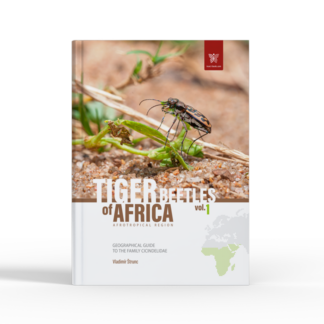
5. Ecological Role of Beetles in Afrotropical Ecosystems
5.1 Beetles as Decomposers and the “Sanitation Service” of Savannas and Rainforests
Beetles of the order Coleoptera play a fundamental role in Afrotropical ecosystems as primary agents of organic matter decomposition. Particularly important are coprophagous and saprophagous species, which accelerate nutrient cycling and significantly contribute to soil fertility.
Dung of large mammals, animal carcasses, and decomposing plant biomass would persist far longer in African savannas and tropical rainforests without beetle activity. Through their feeding and burrowing behaviour, beetles:
-
reduce the volume of organic waste in the landscape,
-
accelerate decomposition and the release of nitrogen, phosphorus, and other essential elements,
-
improve soil structure and aeration,
-
limit the proliferation of pathogens and parasites associated with dung and carrion.
A characteristic example is provided by Afrotropical dung beetles (Scarabaeinae), which roll dung into balls or bury it directly beneath the source. In doing so, they not only remove organic waste from the soil surface but also transport nutrients into deeper soil horizons, where they become accessible to plant roots.
5.2 Pollinators and Specialized Relationships with African Flora
In addition to flies and bees, beetles represent an important and often underestimated group of pollinators in the Afrotropical region. Many flowering plants are specifically adapted to visits by robust, frequently less agile coleopterans, which transfer pollen while foraging for nectar or pollen.
In Afrotropical forests and savannas, documented examples include:
-
beetles visiting strongly scented, fleshy flowers with rigid floral structures,
-
highly specialized relationships between individual plant species and a narrow spectrum of beetle pollinators,
-
nocturnal beetle species pollinating flowers that open after dusk.
Owing to their wide range of body sizes and morphologies, beetles are capable of pollinating plant species that present mechanical or behavioural barriers to other pollinators. This enhances the diversity of pollination systems in the Afrotropical region and increases the overall resilience and stability of ecosystems.
5.3 Predators and Regulation of Other Insect Populations
Predatory beetles play a major ecological role by regulating populations of other invertebrates. In Afrotropical agroecosystems as well as natural habitats, this function is performed primarily by ground beetles (Carabidae), tiger beetles, lady beetles (Coccinellidae), and the larvae of numerous additional families.
Their ecological functions include:
-
suppressing outbreaks of phytophagous and crop-damaging insects (aphids, scale insects, caterpillars),
-
reducing populations of mosquitoes and other dipterans at the larval stage,
-
maintaining population balance among competing insect species in grasslands, cultivated fields, and natural vegetation.
In practical terms, a rich and diverse community of predatory beetles can substantially reduce the need for chemical pest control and contributes directly to sustainable agriculture in the Afrotropical region.
5.4 Soil Formation and Improvement of Soil Properties
Dung burial, detritus decomposition, and even simple digging and movement of subterranean life stages contribute to the formation and maintenance of soil horizons. Beetles perforate the soil, transport organic material into deeper layers, and create networks of small tunnels that function as channels for water and air.
This bioturbation has several important ecological consequences:
-
increased infiltration of rainfall and reduced surface runoff,
-
prevention of soil compaction and enhanced root penetration,
-
stimulation of soil microbial activity, which further accelerates organic matter decomposition.
In Afrotropical savannas, which are periodically exposed to intense rainfall followed by prolonged drought, beetle activity represents one of the key stabilizing factors maintaining soil structure and fertility.
5.5 A Food Resource for Other Animals
Both larvae and adult beetles constitute a crucial component of terrestrial food webs. Through their role as prey, beetles are linked to birds, reptiles, amphibians, mammals, and other insects.
In the Afrotropical region, beetles serve as an important food source for, among others:
-
ground-dwelling birds of savannas and shrublands that extract larvae from the soil,
-
bats capturing flying beetles above forest canopies,
-
small mammals and primates, for which beetle larvae represent a concentrated source of protein.
The stability of many predator populations is directly dependent on the availability of beetle biomass, particularly during periods when alternative food sources are scarce.
5.6 Indicators of Environmental Condition and Biodiversity
The diversity and composition of Coleoptera communities in the Afrotropical region are closely linked to environmental quality. Many species are highly sensitive to changes in microclimate, vegetation structure, and soil conditions, making beetles an important bioindicator group.
In applied research and monitoring, the following are commonly assessed:
-
dung beetle diversity in relation to grazing intensity and habitat fragmentation,
-
ground beetle assemblages as indicators of soil disturbance and erosion,
-
changes in flower-visiting beetle communities following deforestation or conversion of rainforest into plantations.
Effective research and monitoring require accurate species identification, relying on both specialized literature and high-quality educational tools. This creates clear opportunities for entomological books, didactic materials, and visual aids such as insect magnetic cards focused on Afrotropical Coleoptera.
5.7 Educational Potential of the Ecological Roles of Beetles
The ecological functions of beetles provide an ideal framework for education at all levels, from students and beginning entomologists to the general public. A single insect order can effectively illustrate fundamental ecological concepts such as food webs, nutrient cycling, and adaptation to diverse ecological niches.
Particularly effective educational approaches include:
-
field excursions focused on dung beetles, predators, and pollinators,
-
hands-on use of identification keys and scientific literature directly in the field,
-
visual and tactile teaching aids, including beetle models and magnetic cards presenting species and their ecosystem functions.
The combination of high-quality entomological literature and interactive learning materials helps demonstrate that Afrotropical Coleoptera are not merely “another group of insects,” but indispensable components of ecosystem functioning. For publishers and distributors of scientific and educational materials, beetles therefore represent not only a fascinating subject of study, but also a powerful theme for science communication and biodiversity conservation.
6. Adaptations and Evolutionary Specializations of Afrotropical Coleoptera
6.1 Climate and Environment as Drivers of Adaptation
The Afrotropical region encompasses an exceptionally wide range of environments—from the humid rainforests of the Congo Basin, through dry savannas, to semi-deserts and the montane systems of the East African Rift. This environmental heterogeneity imposes strong selective pressures that shape the evolution and adaptive strategies of local beetle faunas.
In rainforest ecosystems, specialized adaptations evolve for life in forest canopies, decaying wood, or water-saturated soils. In savannas, beetle assemblages are dominated by species adapted to fire regimes, seasonal drought, and short but intense rainfall events. In arid environments, species with extreme tolerance to dehydration, heat, and food scarcity prevail.
6.2 Morphological Adaptations: Body Shape, Wings, and Cuticular Surface
Afrotropical beetles exhibit a wide range of conspicuous morphological adaptations, readily observable in museum collections and study material:
-
Compact and flattened bodies – common among xylobiontic species, facilitating movement within narrow bark crevices and wood galleries.
-
Enlarged elytra and reduction of functional wings – in many species inhabiting extremely windy or arid environments, flight ability is reduced while the protective function of the elytra is enhanced.
-
Cuticular microstructure – wax layers, hydrophobic surfaces, and fine sculpturing reduce water loss and provide protection against ultraviolet radiation; in some desert beetles, the cuticle even facilitates condensation of moisture from fog.
-
Strengthened legs and claws – in species inhabiting loose sand or tree canopies, these adaptations improve climbing ability, digging efficiency, and attachment to vegetation during strong winds.
6.3 Thermoregulation and Adaptation to Temperature Extremes
The thermal regime of the Afrotropical region is a major driver of beetle evolution. Many species have developed sophisticated strategies to cope with extreme daytime heat and comparatively cool nights.
-
Colour adaptations – light-coloured body surfaces reflect a portion of solar radiation and reduce overheating, while darker coloration in montane species facilitates more rapid warming under cooler conditions.
-
Microhabitat selection – many beetles are active on the soil surface only shortly after sunset or early in the morning, spending the hottest part of the day concealed in soil, under stones, or within wood.