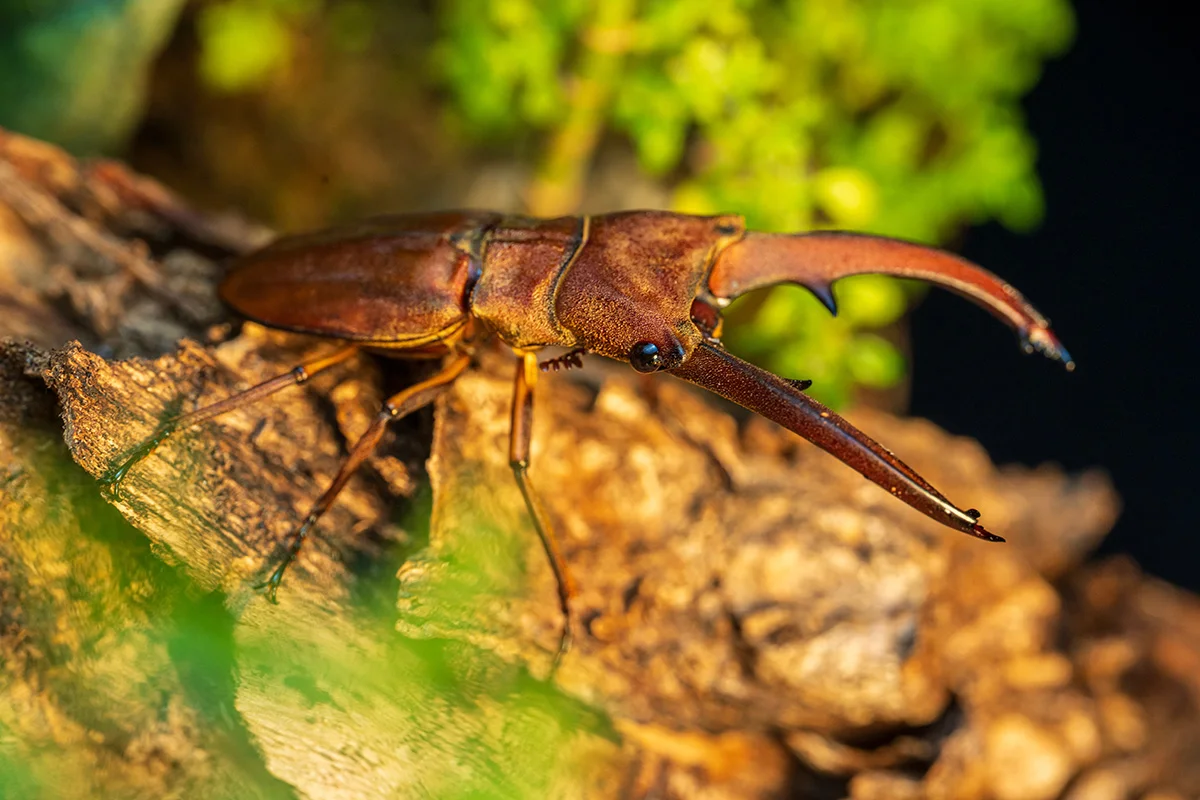
Stag Beetles (Lucanidae):
Biology, Ecology, and Natural History
Taxonomic Position: Order Coleoptera, Superfamily Scarabaeoidea, Family Lucanidae
Common Names: Stag beetles, pinching bugs, horn beetles
Species Diversity: Approximately 1,200 described species in about 75 genera
Geographic Range: Worldwide distribution, primarily in forested regions of temperate and tropical zones
The Fascinating World of Stag Beetles
Main Features
Stag beetles (family Lucanidae) constitute one of the most distinctive and charismatic groups within the order Coleoptera, renowned for their enlarged mandibles that in males of many species resemble the antlers of stags, giving the family its common name. These beetles are closely related to scarab beetles (Scarabaeidae) and share placement within the superfamily Scarabaeoidea, but are distinguished by their unique morphological features and ecological adaptations as saproxylic insects dependent on dead and decaying wood.
Book novelties:
Prioninae of the World I.
Cerambycidae of the Western Paleartic I.
Unique pictorial atlases for identifying Beetles:
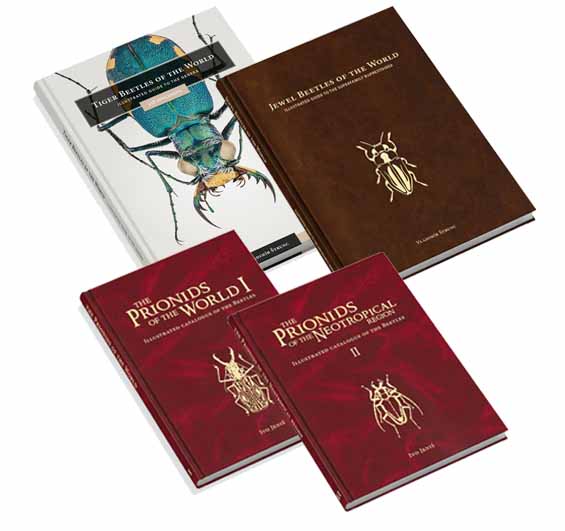
(2020) Tiger Beetles of the World, Cicindelidae, Illustrated guide to the genera
(2023) Tiger Beetles of Africa, Cicindelidae, Geographical guide to the family Cicindelidae
(2024) Tiger Beetles of Orient, Cicindelidae, Geographical guide to the family Cicindelidae
(2022) Ground Beetles of Africa, Afrotropical Region
(2022) Jewel Beetles of the World, Buprestidae, Illustrated guide to the Superfamily Buprestoidea
(2008) The Prionids of the World, Prioninae, Illustrated catalogue of the Beetles
(2010) The Prionids of the Neotropical region, Prioninae, Illustrated catalogue of the Beetles
The defining characteristic of lucanid beetles is the pronounced sexual dimorphism in mandible development. Males of most species possess greatly enlarged, often bizarrely shaped mandibles that may exceed half the body length in extreme cases. These mandibles serve primarily as weapons in male-male combat over access to females and optimal breeding resources, representing some of the most exaggerated sexually selected traits in the insect world. Females typically have much smaller, more functional mandibles adapted for manipulating wood and creating oviposition sites.
Size variation within Lucanidae is considerable, ranging from small species of approximately 10-15 mm total length to giants exceeding 80 mm. The largest species, including Lucanus cervus of Europe and various Dorcus species from Asia, rank among the largest beetles in their respective regions. This size variation reflects diverse evolutionary trajectories and ecological adaptations across the family’s global distribution.
The morphological structure of stag beetles exhibits typical coleopteran features including hardened elytra protecting membranous hindwings, well-developed legs adapted for climbing and digging, and robust body construction. The head is often broad and flattened, particularly in males where it must support the massive mandibles. The pronotum is typically convex and smooth, while the elytra are usually dark colored, often black or dark brown, though some species exhibit metallic sheens or lighter colorations.
Stag beetles are fundamentally saproxylic organisms, with larvae developing exclusively in dead and decaying wood. This ecological specialization ties their distribution and abundance closely to the availability of suitable dead wood resources, making them valuable indicators of forest health and dead wood continuity. The adults of most species are relatively short-lived and emerge primarily for reproduction, though they may feed on tree sap, fruit, or other sugar sources during their brief adult period.
Taxonomic Diversity and Major Groups
The family Lucanidae is divided into several subfamilies, though classification schemes vary among authorities. Major subfamilies include:
- Lucaninae: The largest subfamily, including the familiar genus Lucanus and related genera. These are typically medium to large beetles with well-developed mandibles in males.
- Dorcinae: A diverse group including genus Dorcus, widely distributed in the Old World tropics and temperate regions.
- Aesalinae: Smaller stag beetles with reduced sexual dimorphism, often found in cooler temperate regions.
- Lampriminae: Metallic-colored stag beetles primarily from the Southern Hemisphere.
- Syndesinae: Small stag beetles with limited distribution.
Well-known genera include Lucanus, Dorcus, Cyclommatus, Prosopocoilus, Aegus, Odontolabis, and Phalacrognathus, among many others.
How to Identify Stag Beetles
Identifying beetles to family Lucanidae is generally straightforward due to their distinctive morphology, though species-level identification can be challenging and often requires examination of fine morphological details and male genital structures. The following characteristics facilitate recognition and identification of stag beetles.
Family-Level Diagnostic Features
Lucanidae can be recognized by the following combination of characters: geniculate (elbowed) antennae with the terminal segments expanded into a comb or club typically composed of three to seven segments that cannot be closed tightly together (unlike the compact clubs of Scarabaeidae); enlarged mandibles particularly in males, ranging from moderately enlarged to massively hypertrophied; robust body form with convex elytra; tarsal formula typically 5-5-5 with all tarsi bearing paired claws; presence of visible spiracles on the sides of the abdomen.
The head is typically broad and often bears various projections or ridges in addition to the mandibles. The clypeus (the plate-like structure at the front of the head) is usually distinct and variable in shape among species. The eyes are relatively small and positioned laterally on the head. The antennae arise from beneath lateral projections of the head in most species.
Sexual Dimorphism
Sexual dimorphism is extreme in many stag beetle species, making sex determination relatively easy in adults. Males exhibit the characteristic enlarged mandibles that give the family its name, with mandible morphology varying dramatically among species. Mandible forms include:
- Antler-like branching: Mandibles with multiple projections resembling deer antlers, as in Lucanus cervus
- Scissor-like: Long, curved mandibles with tooth-like projections on the inner edges
- Pincer-like: Straight or gently curved mandibles without elaborate branching
- Sickle-shaped: Strongly curved mandibles typical of some tropical genera
Females have much smaller mandibles that are functional for chewing wood and creating oviposition chambers. Female mandibles are typically robust, toothed, and capable of powerful biting. Females are often smaller than males of the same species, though this varies among taxa. In some species, females are difficult to distinguish from those of related species without careful examination.
Mandible Allometry and Male Polymorphism
Many stag beetle species exhibit male polymorphism related to mandible size, with mandible length showing positive allometry (disproportionate increase relative to body size). This results in continuous variation from small males with relatively modest mandibles to large males with exaggerated mandibles. In some species, distinct morphs can be recognized, while in others the variation is continuous. This polymorphism reflects nutrition-dependent development, with well-fed larvae producing larger adults with more exaggerated mandibles.
Coloration and Surface Sculpture
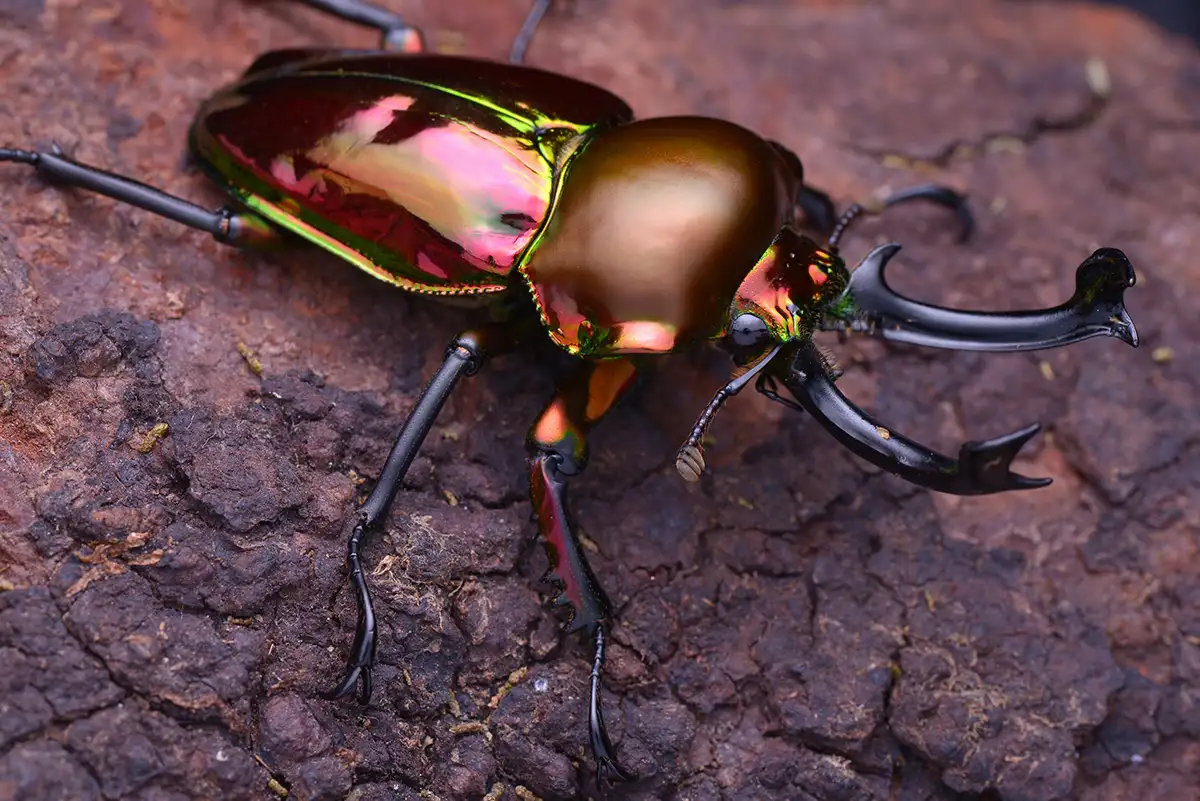
Most stag beetles are dark colored, with black, dark brown, or reddish-brown being predominant colors. However, some groups exhibit striking metallic coloration. The subfamily Lampriminae includes species with brilliant metallic green, blue, or purple coloration. Surface texture varies from smooth and shining to punctate or sculptured. Some species are covered with fine setae giving a pubescent appearance, while others are glabrous.
Size Ranges
Size provides some identification information but must be used cautiously due to intraspecific variation and sexual dimorphism. Small species (10-20 mm) include various Aesalus and related genera. Medium-sized species (20-40 mm) constitute the bulk of temperate region diversity. Large species (40-80+ mm) include the spectacular examples that attract popular and scientific attention, such as Lucanus cervus, large Dorcus species, and various tropical giants.
Larval Identification
Stag beetle larvae are scarabaeiform grubs similar to those of related families, making family-level identification challenging without associated adults or detailed examination. Lucanid larvae can be distinguished by specific characters including the arrangement of setae on the head capsule, the structure of the anal opening (which is typically Y-shaped or triradiate), and details of leg structure. The larvae are typically robust, C-shaped, with well-developed head capsules and thoracic legs. They develop within and feed upon dead wood, creating characteristic tunnels and chambers packed with frass.
Occurrence and Main Habitats
Stag beetles occur throughout temperate and tropical forested regions worldwide, with their distribution closely tied to the availability of dead wood resources suitable for larval development. Understanding their occurrence patterns requires consideration of both broad biogeographical distributions and fine-scale habitat requirements.
Global Distribution Patterns
Lucanidae exhibits a cosmopolitan distribution with representation on all continents except Antarctica. The family occurs from high latitudes in temperate zones to tropical rainforests, though diversity is generally higher in warmer regions with extensive forest cover. Major biogeographical patterns include:
Palearctic Region: Europe, North Africa, and temperate Asia support diverse stag beetle faunas. Lucanus cervus is the most familiar European species, while Asia harbors numerous Dorcus and other genera. Temperate forests with oak, beech, and other deciduous trees provide important habitat.
Nearctic Region: North America supports several Lucanus species and various other genera. Lucanus elaphus occurs in eastern forests, while different species occupy western regions. Diversity is lower than in the Palearctic or Oriental regions.
Oriental Region: Southeast Asia harbors exceptional diversity, including spectacular species with elaborate mandibles. Genera such as Cyclommatus, Prosopocoilus, Odontolabis, and Aegus reach peak diversity in this region. Tropical rainforests support rich assemblages.
Australasian Region: Australia and surrounding regions support endemic genera including the spectacular rainbow stag beetle (Phalacrognathus muelleri) and various Lamprima species. New Guinea harbors particularly high diversity.
Neotropical Region: Central and South America support diverse lucanid faunas, though generally with less spectacular species than in the Oriental region. Various genera occupy different forest types and elevational zones.
Afrotropical Region: Africa supports stag beetle diversity, particularly in forested regions. Endemic genera occur alongside more widespread groups.
Habitat Requirements and Associations
Stag beetles are fundamentally tied to forested habitats that provide dead wood for larval development. Specific habitat preferences vary among species but general patterns include:
Deciduous Forests: Many temperate zone species are associated with deciduous forests, particularly those dominated by oak (Quercus), beech (Fagus), or other hardwoods. Dead wood from these trees, whether as fallen logs, stumps, or standing dead trees, provides larval substrate.
Mixed Forests: Forests with mixtures of tree species often support diverse stag beetle communities, with different species specializing on different tree species or wood decay stages.
Tropical Rainforests: High diversity in tropical regions reflects abundant dead wood resources, complex forest structure, and favorable climatic conditions. Both primary and secondary forests support stag beetles, though species composition may differ.
Managed Woodlands and Parks: Some species persist in managed landscapes including parks, orchards, and woodlots where dead wood is retained. However, intensive forest management that removes dead wood eliminates suitable habitat.
Coniferous Forests: While many stag beetles prefer deciduous wood, some species utilize coniferous substrates. These species are often adapted to cooler climates where coniferous forests dominate.
Dead Wood Microhabitat Specificity
Stag beetle larvae exhibit varying degrees of specialization regarding wood type, decay stage, and microhabitat conditions:
- Tree species preferences: Some stag beetles are generalists utilizing various hardwoods, while others specialize on particular tree genera or families. Preferences reflect wood chemistry, decay characteristics, and possibly associated fungal communities.
- Decay stage: Different species occupy different decay stages, from relatively fresh dead wood to highly decomposed, friable material. Advanced decay stages, where fungal action has broken down structural compounds, are often preferred.
- Wood position: Substrate may be standing dead trees, fallen logs, stumps, or underground root systems. Different species show preferences for different positions and exposure conditions.
- Moisture content: Wood moisture is critical, with most species requiring moist but not waterlogged conditions. Moisture availability influences larval growth rates and survival.
- Size of dead wood: Larger diameter logs and stumps provide more stable microclimates and longer-lasting resources, potentially supporting larger populations and multiple generation cycles.
Environmental Factors
Climate influences stag beetle distribution through effects on both the beetles directly and on dead wood resources. Temperature affects development rates, with warmer conditions generally accelerating development. However, extreme heat or cold may exceed physiological tolerances. Humidity is crucial, particularly for larvae developing in wood that must maintain adequate moisture. Seasonal patterns in temperate regions result in synchronized adult emergence timed to favorable conditions.
Lifestyle and Behavior
The lifestyle of stag beetles encompasses distinct larval and adult phases with different behavioral repertoires and ecological roles. Understanding their behavior requires examination of activity patterns, feeding, reproduction, and intraspecific interactions.
Adult Activity Patterns and Phenology
Most stag beetles are crepuscular or nocturnal, with adults emerging from daytime refuges at dusk to engage in feeding, mate-seeking, and dispersal. Nocturnal activity reduces exposure to visual predators and coincides with optimal temperature and humidity conditions. Some species, however, are diurnal, particularly in cooler climates where daytime temperatures may be necessary for activity.
In temperate regions, adult emergence typically occurs during late spring through summer, with specific timing varying by species and local climate. Adults may be active for several weeks to months depending on species and environmental conditions. Males often emerge before females (protandry), allowing males to establish territories or patrol for emerging females.
Adults are attracted to lights during their nocturnal activity periods, a behavior that has facilitated surveys and distribution studies. The characteristic whirring flight sound of large stag beetles is distinctive and results from rapid wing beats necessary to sustain flight.
Male Combat and Mating Systems
Male stag beetles engage in ritualized combat for access to females and prime resources. These battles, which occur on logs, tree trunks, and other substrates, involve use of the enlarged mandibles to grasp, lift, and throw opponents. Combat follows species-specific patterns but generally includes:
- Approach and assessment phase where males encounter each other
- Engagement where mandibles interlock or one male grasps the other
- Wrestling and leverage attempts to dislodge the opponent
- Resolution when one male gains advantage and displaces the other, or when one male retreats
Despite the formidable appearance of the mandibles and the vigorous nature of combat, serious injuries are relatively rare. The exoskeleton is robust and mandible morphology in many species appears adapted to minimize damage to opponents while maximizing displacement effectiveness. Losers typically retreat without significant harm.
Mandible size correlates with fighting success in many species, with larger males possessing longer mandibles generally winning encounters. However, fighting ability depends on multiple factors including strength, tactics, and experience, not solely on mandible size. The exaggerated mandibles represent classic examples of sexually selected weapons evolved through male-male competition.
Mating systems vary among species but resource defense polygyny is common, where males defend sap flows, log surfaces, or other resources that attract females. Females visit these sites for feeding or oviposition, providing mating opportunities for territory-holding males. Males may guard females after mating to prevent rival copulations.
Female Reproductive Behavior
Females are responsible for locating suitable oviposition sites and creating chambers for eggs. After mating, females use their functional mandibles to excavate into dead wood, creating chambers where individual eggs are deposited. The mandibles and strong head and thoracic muscles allow females to chew into wood that may be quite hard, though most species prefer partially decayed wood that is easier to work.
Oviposition site selection appears to involve assessment of wood characteristics including decay stage, moisture content, and possibly fungal colonization. Females may deposit eggs in multiple locations, potentially spreading reproductive effort across different substrates to reduce risk.
Flight and Dispersal
Despite their large size and seemingly ungainly proportions, particularly in males with massive mandibles, many stag beetles are capable fliers. The enlarged mandibles of males are held out to the sides during flight and do not appear to significantly impair flight capability, though they may increase energy costs. Flight allows adults to disperse from emergence sites to locate mates, feeding resources, and suitable oviposition sites.
Dispersal distances vary among species and individuals but can extend several kilometers from emergence sites. This dispersal capability is crucial for colonizing new dead wood resources and maintaining gene flow among populations. However, habitat fragmentation that increases distances between suitable patches may exceed dispersal capabilities of some species.
Defensive Behaviors
When threatened, stag beetles employ various defensive strategies. The primary defense is the robust, heavily sclerotized exoskeleton that provides substantial protection. If handled, stag beetles may attempt to pinch with their mandibles. While males’ enlarged mandibles appear formidable, they are often poorly designed for defense and may lack the mechanical advantage necessary for powerful biting. Female mandibles, being more functional, can deliver more effective defensive bites.
Some species produce sounds through stridulation (rubbing body parts together), potentially startling predators. Others may remain motionless, relying on their armored construction. Reflexive bleeding (release of hemolymph) occurs in some species when threatened.
Larval Behavior and Development
Larvae are sedentary, remaining within their wood substrate throughout development. Their behavior consists primarily of feeding, creating tunnels and chambers, and occasional movement within the substrate to fresh feeding areas. The larvae consume wood using powerful mandibles, with digestion aided by gut microorganisms that break down cellulose and other structural plant compounds.
Larval development is prolonged, typically requiring two to five years or more depending on species, temperature, and food quality. The extended development period reflects the low nutritional value of wood and the time required to accumulate sufficient resources for metamorphosis. Larvae pass through multiple instars, growing progressively larger with each molt.
Social interactions among larvae are minimal, though high densities in favorable substrates can result in aggregations. Competition for food and space may influence development rates and final adult size. Cannibalism is rare but may occur when larvae encounter each other in confined spaces.
Food and Role in the Ecosystem
Stag beetles fulfill important ecological roles as saproxylic organisms that contribute to dead wood decomposition and nutrient cycling. Different life stages occupy distinct trophic positions and contribute differently to ecosystem function.
Larval Feeding Ecology
Larvae are obligate xylophages (wood-feeders), consuming dead and decaying wood exclusively. The feeding process involves:
- Physical breakdown: Mandibles chew wood into fragments, increasing surface area for digestion and subsequent microbial colonization after excretion as frass.
- Enzymatic digestion: Endogenous enzymes produced by the larva itself break down some wood components.
- Microbial symbiosis: The larval gut harbors diverse communities of bacteria, fungi, and possibly protozoa that produce cellulases, hemicellulases, and other enzymes breaking down structural plant compounds. These microorganisms are essential for extracting nutrients from recalcitrant wood substrates.
Wood is a nutritionally poor substrate, consisting primarily of cellulose, hemicellulose, and lignin with low nitrogen content. The extended larval period reflects the time required to extract sufficient nutrients from this difficult resource. Fungal pre-digestion of wood improves its nutritional value and may explain preferences for fungally colonized wood observed in many species.
Different species show preferences for different wood types and decay stages, reflecting adaptations to specific substrate characteristics. Some species are generalists utilizing various hardwoods, while others specialize on particular tree species or families. Wood moisture content, hardness, and chemical composition all influence suitability.
Adult Feeding Ecology
Adult stag beetles have relatively short lifespans and feeding is less intensive than in larvae, with reproduction being the primary adult function. Adult feeding resources include:
- Tree sap: Sap flows from wounded trees provide sugary liquids that are major food sources for many species. Adults aggregate at sap flows, leading to male-male competition and mating opportunities.
- Fermenting materials: Overripe fruit, fermenting sap, and other decomposing plant materials provide sugar and other nutrients.
- Nectar and plant exudates: Some species visit flowers or feed on plant secretions.
The functional mandibles of females allow manipulation and processing of food materials. Males’ enlarged mandibles are poorly suited for feeding and males may have reduced feeding compared to females, or may rely on liquid resources that require minimal mandibular manipulation.
In some species, particularly those with short adult lifespans, feeding may be minimal or absent, with adults relying primarily on resources accumulated during larval development. This pattern, where adults function primarily as dispersal and reproductive stages with minimal feeding, occurs in various saproxylic beetle groups.
Ecosystem Roles and Services
Dead Wood Decomposition: Stag beetle larvae are important decomposers of dead wood, contributing to the breakdown and recycling of wood biomass. Their feeding fragments wood, accelerating physical breakdown and creating conditions favorable for further microbial and fungal decomposition. The frass produced by larvae enriches substrate with nutrients and organic matter.
Nutrient Cycling: By consuming dead wood and converting it to beetle biomass and frass, stag beetles facilitate nutrient release and incorporation into soil. The nitrogen and other nutrients sequestered in wood become available to other organisms through beetle excretion and eventually through decomposition of dead beetles themselves.
Soil Formation and Modification: Larval tunneling within stumps and underground root systems contributes to soil structure modification. Frass deposition enriches soil organic matter content and influences soil chemistry and biology.
Food Web Dynamics: Stag beetles serve as prey for various predators throughout their life cycle. Larvae are consumed by woodpeckers and other birds that excavate them from decaying wood, as well as by mammals including badgers and wild pigs that tear apart rotting logs. Adults are preyed upon by birds, bats, mammals, and other insects. The substantial biomass of large stag beetle populations contributes significantly to energy transfer in forest food webs.
Indicator Species: Because of their dependence on dead wood continuity and old-growth forest characteristics, stag beetles serve as valuable indicators of forest ecosystem health and habitat quality. Their presence indicates availability of suitable dead wood resources and relatively natural forest dynamics. Conversely, their decline or absence may signal degraded forest conditions or disrupted dead wood cycles.
Microhabitat Creation: Larval tunnels and chambers in dead wood create microhabitats subsequently used by other organisms. These structures provide refuge, nesting sites, and foraging areas for various invertebrates, contributing to dead wood biodiversity.
Fungal Associations
Stag beetles have complex relationships with fungi. Fungal colonization of dead wood is often necessary to render it suitable for larval development, with fungi breaking down lignin and other recalcitrant compounds. Larvae may selectively feed on fungally modified wood or even on fungal mycelia. Some research suggests that larvae may cultivate or manipulate fungal growth, though the extent and specificity of these relationships require further study.
The gut microbiome of stag beetle larvae includes fungal components that likely contribute to wood digestion. Whether these fungi are true symbionts, opportunistic inhabitants, or dietary items remains unclear for many associations. Understanding these relationships is important for comprehending stag beetle nutrition and ecology.
Life Cycle
Stag beetles undergo complete metamorphosis (holometaboly) with four distinct life stages: egg, larva, pupa, and adult. The life cycle is characterized by an extended larval period of wood feeding followed by relatively brief adult and pupal stages focused on reproduction and transformation.
Egg Stage
After mating, females locate suitable dead wood substrates and use their mandibles to excavate chambers for egg deposition. The choice of oviposition site is crucial, as larvae are sedentary and will develop within or near the wood where they hatch. Females may assess wood characteristics including decay stage, moisture content, presence of fungi, and wood species before committing to oviposition.
Eggs are deposited individually in chambers excavated in the wood or in crevices and cavities within decaying substrates. Eggs are oval, relatively large (typically 2-4 mm depending on species), and cream to white in color. The chorion provides protection during development.
Egg development duration varies with temperature and species but typically ranges from two to six weeks. Warmer temperatures accelerate development while cooler conditions extend the egg period. Upon hatching, the first instar larva emerges and begins feeding on the surrounding wood substrate.
Larval Stage and Development
The larval stage is the feeding and growth period, representing the vast majority of the stag beetle life cycle. Larvae are typical scarabaeiform grubs: C-shaped, robust, with well-sclerotized head capsules, functional thoracic legs, and enlarged posterior segments. Coloration is typically cream to white, though gut contents may be visible through the translucent cuticle.
Larval development proceeds through three instars in most species, with each instar separated by a molt. Head capsule width increases with each molt and provides a reliable method for determining instar. First instar larvae are small, typically 5-15 mm in length depending on species. Growth is continuous within instars, with larvae accumulating biomass through constant feeding on wood substrate.
The duration of larval development is prolonged, typically requiring two to five years or more depending on species, temperature, wood quality, and other environmental factors. Small temperate species may complete development more quickly, while large species or those in cooler climates require longer periods. This extended development reflects the poor nutritional quality of wood and the time required to accumulate sufficient resources.
Third instar larvae eventually reach maximum size and cease feeding, entering a pre-pupal phase. The larva excavates a pupal chamber, usually in the substrate but sometimes in adjacent soil. Chamber construction involves using frass, wood fragments, and secretions to create a protective cell. The chamber provides stable conditions for pupation and protects the vulnerable pupal stage.
Pupal Stage
Pupation occurs within the constructed chamber after a final larval molt produces the pupa. The pupa is exarate (with free appendages), showing recognizable adult features including legs, antennae, wings, and in males, the developing mandibles. Initially soft and pale, the pupa gradually sclerotizes and darkens over the course of pupal development.
In males, the developing mandibles are visible on the pupal head, though they are soft and compressed compared to their final adult form. The large size of these structures in some species is accommodated by the relatively spacious pupal chamber.
Pupal duration typically ranges from three to eight weeks depending on species and temperature. The pupa is immobile and vulnerable, relying entirely on the protective chamber for survival. As development completes, the adult structures within the pupal cuticle fully form and sclerotize.
Adult Emergence and Teneral Period
The fully formed adult emerges from the pupal cuticle (eclosion) within the pupal chamber. The newly emerged adult (teneral adult) is soft, pale, and with incompletely hardened cuticle. Over a period of days to weeks, the exoskeleton sclerotizes and develops its final coloration and hardness. Male mandibles, initially soft and compressed, extend and harden to their characteristic form.
During the teneral period, the adult remains within or near the pupal chamber. In many temperate species, adults complete development in late summer or autumn but remain in the chamber over winter, emerging the following spring when conditions are favorable for activity and reproduction. This extended teneral period, which may last many months, provides protection during unfavorable seasons.
Emergence from the substrate occurs when environmental cues (temperature, moisture, photoperiod) indicate appropriate conditions. The adult digs upward through substrate to reach the surface, a process that may take hours to days depending on depth and substrate characteristics. Upon reaching the surface, the fully hardened adult begins normal adult activities including feeding, dispersal, and mate-seeking.
Adult Longevity and Reproduction
Adult lifespan varies considerably among species and environmental conditions. Many species live several weeks to a few months as adults, though longevity under optimal conditions may extend to six months or more. Temperate species typically have synchronized emergence timed to favorable seasons, with adults active during late spring through summer and dying as conditions deteriorate in autumn.
Adult activities focus on reproduction. Males patrol for females, defend territories or resources, and engage in combat with rival males. Females locate suitable oviposition sites and deposit eggs. Feeding, while occurring in many species, is secondary to reproductive activities.
Reproductive output varies but females may deposit dozens of eggs over their lifetime, distributed across multiple oviposition sites. This spreading of reproductive effort potentially reduces risks associated with any single site proving unsuitable.
Voltinism and Life Cycle Duration
Stag beetles are typically semivoltine (requiring more than one year to complete development) or have even longer generation times. The prolonged larval development period means that two to five or more years may elapse from egg to adult. This extended life cycle reflects the poor nutritional quality of the larval food resource and the time required for larvae to accumulate sufficient biomass and nutrients.
Temperature strongly influences development rates, with warmer conditions accelerating development while cooler climates extend generation times. In some tropical species with year-round warm temperatures, development may be somewhat faster than in temperate species experiencing seasonal cold.
The long generation times of stag beetles have implications for population dynamics and conservation. Populations respond slowly to environmental changes, and recovery from declines is similarly slow. The extended period that suitable dead wood must persist to support complete development means that disruption of dead wood continuity has severe consequences for populations.
Bionomics – Mode of Life
The bionomics of stag beetles encompasses their complete biological functioning within ecological and environmental contexts. Understanding how these beetles interact with physical factors, other organisms, and ecosystem processes provides comprehensive insight into their ecology and evolution.
Dead Wood Dependency and Habitat Specialization
Stag beetles are obligate saproxylic insects, fundamentally dependent on dead wood for larval development. This dependency shapes virtually all aspects of their biology, from distribution and abundance to population dynamics and conservation status. The requirement for specific dead wood characteristics creates habitat specialization that varies among species.
Dead wood resources are heterogeneous in space and time. Individual logs, stumps, and snags differ in tree species, diameter, decay stage, moisture content, fungal colonization, and other characteristics. These factors influence suitability for different stag beetle species. The spatial distribution of suitable dead wood across landscapes affects population structure and connectivity.
Temporal dynamics of dead wood resources are equally important. Individual pieces of dead wood progress through decay stages, becoming suitable for colonization at certain points and unsuitable as decay proceeds beyond optimal conditions. The turnover rate of dead wood in forests depends on tree mortality rates, wood decay rates (influenced by climate and wood chemistry), and disturbance regimes. Stag beetle populations require continuity of suitable dead wood across time, with new dead wood becoming available as older resources are consumed or decay beyond suitability.
Thermal Biology and Microclimate
As ectothermic organisms, stag beetles are profoundly influenced by temperature. Development rates, activity levels, and metabolic processes all depend on ambient temperature within species-specific thermal tolerance ranges.
Larvae developing within dead wood experience relatively buffered thermal conditions compared to exposed surface environments. Large diameter logs and stumps maintain more stable temperatures than small branches. Underground root systems provide particularly stable thermal conditions with reduced daily and seasonal fluctuations. These microhabitat differences influence larval development rates and survival.
Adult activity is constrained by temperature, with most species requiring minimum temperatures for flight and other activities. Nocturnal activity may partly reflect thermal constraints, with evening temperatures providing optimal conditions in many habitats. Seasonal timing of adult emergence in temperate regions is synchronized with favorable temperatures.
Moisture Requirements and Desiccation Risk
Moisture is crucial for stag beetle survival, particularly for larvae developing in wood. Dead wood must maintain adequate moisture content to support larval feeding and growth. Desiccation causes mortality or developmental problems. Wood moisture content varies with precipitation patterns, wood size (larger pieces retain moisture better), position (underground root systems remain moister than elevated logs), and decay stage (advanced decay often retains more moisture).
Adults are less moisture-dependent than larvae but still require adequate humidity. Nocturnal activity may partly reflect behavioral thermoregulation and moisture conservation, with cooler evening conditions reducing desiccation risk compared to hot, dry daytime conditions.
Symbiotic Relationships
Stag beetles engage in multiple symbiotic relationships, particularly with microorganisms facilitating wood digestion. The larval gut harbors complex microbial communities including bacteria, fungi, and possibly protozoa that produce enzymes essential for breaking down cellulose, hemicellulose, and lignin.
These gut symbionts may be acquired from the environment (horizontal transmission), inherited from parents through egg contamination or larval provisioning (vertical transmission), or both. The mechanisms of symbiont acquisition and the specificity of associations vary among stag beetle species and remain active research areas.
External fungal associations also influence stag beetle biology. Fungal colonization of dead wood modifies wood chemistry and structure, often improving its suitability for beetle colonization. Whether beetles actively cultivate fungi or simply exploit fungally modified wood varies among species and requires further investigation.
Predation, Parasitism, and Pathogens
Stag beetles face natural enemies throughout their life cycle, influencing survival and population dynamics.
Predators: Larvae are consumed by vertebrate predators including woodpeckers that excavate them from dead wood, mammals that tear apart rotting logs (badgers, wild pigs, bears), and various arthropod predators. Adults are preyed upon by birds, bats during nocturnal flights, and terrestrial predators. The robust exoskeleton provides substantial protection, but determined predators can overcome these defenses.
Parasitoids: Parasitoid wasps and flies attack some stag beetle species, though parasitism rates appear generally low compared to many other insect groups. The larvae’s concealed lifestyle in wood may reduce parasitoid attack rates.
Pathogens: Fungal, bacterial, and viral diseases cause mortality in both larvae and adults. Entomopathogenic fungi can infect larvae in moist wood substrates. Bacterial infections may occur through wounds or as opportunistic infections. Disease impacts on population dynamics remain poorly understood for most species.
Mites and other ectoparasites: Various mite species associate with stag beetles as commensals or parasites. Some mites use beetles for dispersal (phoresy), while others may feed on beetle tissues or secretions.
Intraspecific and Interspecific Competition
Competition influences stag beetle ecology at multiple levels. Intraspecific competition among larvae developing in the same log may affect growth rates, development times, and final adult size. High densities can lead to resource depletion or degraded substrate quality.
Interspecific competition occurs where multiple stag beetle species, or stag beetles and other saproxylic beetles, utilize the same dead wood resources. Competitive outcomes may depend on relative arrival times, species-specific resource requirements, and environmental conditions. Niche partitioning based on wood type, decay stage, or microhabitat may reduce competition and allow coexistence.
Dispersal and Metapopulation Dynamics
Stag beetle populations often exhibit metapopulation structure, with local populations connected by dispersal. Suitable habitat occurs as patches (stands of forest with appropriate dead wood) separated by unsuitable matrix habitat. Adults disperse among patches, allowing colonization of new sites and gene flow among populations.
Dispersal capability varies among species, with flight performance influenced by body size, wing morphology, and energetic constraints. Habitat connectivity affects dispersal success, with fragmentation potentially isolating populations if inter-patch distances exceed dispersal abilities. Understanding dispersal and connectivity is crucial for conservation planning.
Distribution
The distribution of family Lucanidae reflects complex interactions among evolutionary history, climatic constraints, and habitat availability. Understanding distribution patterns requires consideration of multiple spatial scales and the factors that limit occurrence in different regions.
Global Biogeography
Stag beetles exhibit a cosmopolitan distribution with representation on all continents except Antarctica. The family occurs from temperate zones at relatively high latitudes to tropical regions, with diversity generally higher in warmer, wetter regions with extensive forest cover.
Diversity centers exist in several regions. Southeast Asia harbors exceptional species richness, particularly in tropical rainforests of Indonesia, Malaysia, New Guinea, and surrounding areas. This region includes spectacular species with elaborate mandibles in genera such as Cyclommatus, Prosopocoilus, and Odontolabis. The evolutionary factors underlying this diversity center likely include stable tropical climates, high forest productivity, complex topography creating diverse habitats, and long evolutionary history.
The Palearctic region, including Europe and temperate Asia, supports diverse stag beetle faunas despite cooler climates. Historical factors including Pleistocene glacial-interglacial cycles have influenced current distributions and diversity patterns. Some regions served as glacial refugia where species persisted during cold periods, subsequently expanding as climates warmed.
Other regions including Australasia, Africa, and the Americas support endemic genera and species assemblages reflecting biogeographical history and current environmental conditions. Island faunas are particularly notable for endemism, with restricted distributions reflecting isolation and limited dispersal capabilities.
Regional and Local Distribution Patterns
Within regions, stag beetle distributions reflect habitat availability and environmental gradients. Forest type and tree species composition influence occurrence, with different beetle species associated with different forest communities. Elevational gradients create zonation, with lowland, montane, and in some cases subalpine species occupying different elevational bands.
Local distributions are determined by dead wood availability. Stag beetles occur where suitable substrates exist in sufficient quantity and quality to support populations. Forest management practices profoundly influence local occurrence, with intensive forestry that removes dead wood eliminating suitable habitat while retention forestry or natural forest management supports populations.
Range Limits and Limiting Factors
Several factors limit stag beetle distributions:
Climate: Temperature constraints limit distributions at high latitudes and elevations. Stag beetles generally require temperatures that allow completion of development within reasonable timeframes. Extreme cold or short growing seasons may prevent successful reproduction. Moisture availability also limits distributions, with most species requiring humid conditions.
Habitat availability: The requirement for dead wood means stag beetles cannot persist in habitats lacking suitable substrates. Deforestation, intensive forest management, and urbanization eliminate habitat and create distribution gaps.
Dispersal limitation: While adult flight allows dispersal, distances between suitable habitat patches may exceed dispersal capabilities, particularly for smaller species or in highly fragmented landscapes. Geographic barriers including water bodies, mountain ranges, or extensive unsuitable habitat can limit range expansion.
Historical factors: Current distributions reflect not only present conditions but also historical events including past climate changes, geological processes affecting landmasses, and evolutionary history. Some distribution patterns make sense only in light of historical biogeography.
Anthropogenic Range Changes
Human activities have substantially altered stag beetle distributions. Habitat loss through deforestation and urbanization has eliminated populations from formerly occupied areas. Intensive forest management that removes dead wood has rendered large areas unsuitable. Conversely, some species have adapted to anthropogenic habitats including parks, gardens, and woodlots where dead wood persists.
Accidental or intentional human-mediated dispersal has resulted in introductions outside native ranges for some species, though this appears less common in stag beetles than in some other insect groups. Climate change may be shifting distributions, with range expansions at poleward or elevational limits and potential contractions at warm range margins, though detecting and documenting these changes requires long-term monitoring.
Conservation Biogeography
Understanding distribution patterns is crucial for conservation planning. Species with restricted ranges, particularly those endemic to small areas, face higher extinction risks. Habitat loss and degradation are particularly threatening to range-restricted species with specialized requirements.
Distribution data inform protected area design, highlighting regions of high diversity or endemism requiring protection. Understanding connectivity between populations guides corridor design and landscape management to maintain gene flow and allow range shifts in response to changing conditions.
Main Scientific Literature Citing
The scientific literature on stag beetles encompasses taxonomy, ecology, behavior, conservation biology, and applied research. The following represents key areas of research and important contributions, though the extensive body of work on this family precludes comprehensive coverage.
Taxonomic and Systematic Works
Systematic understanding of Lucanidae has developed through descriptive works, regional faunal treatments, and phylogenetic analyses. Early taxonomists including Westwood, Hope, and Parry described numerous species and established foundational classifications. More recent systematists have revised genera, described new species, and clarified relationships using both morphological and molecular data.
Important modern contributions include comprehensive catalogs documenting global diversity, regional revisions treating particular geographic areas or genera, and phylogenetic analyses resolving evolutionary relationships. Molecular phylogenetics has revealed unexpected relationships and identified cryptic species complexes requiring taxonomic revision.
Krajčík, M. has produced important catalogs of stag beetle diversity. Various regional specialists have contributed faunal treatments for different areas. Phylogenetic work continues to refine understanding of relationships within and among genera.
Morphological Studies and Mandible Evolution
The spectacular mandibles of male stag beetles have attracted scientific attention for over a century. Research has documented mandible diversity, investigated allometric relationships between mandible and body size, and examined the developmental basis of mandible polymorphism.
Studies have shown that mandible size exhibits positive allometry, growing disproportionately in larger males. This pattern results from threshold-dependent development influenced by larval nutrition, with larvae achieving larger size producing adults with disproportionately larger mandibles. The developmental mechanisms involve endocrine regulation, particularly juvenile hormone and ecdysteroids that mediate alternative developmental pathways.
Functional morphology studies have examined how mandible form relates to fighting tactics and effectiveness. Biomechanical analyses have revealed the forces involved in combat and the structural adaptations that allow mandibles to withstand combat stresses without fracture.
Behavioral Ecology and Sexual Selection
Behavioral studies have documented male combat behavior, mating systems, and sexual selection dynamics. Research has shown that larger males with longer mandibles generally win contests for territories and mates. Video analysis has revealed combat sequences and tactics in various species.
Studies of sexual selection have examined how female choice and male-male competition shape mandible evolution. The mandibles represent sexually selected weapons that evolve through reproductive competition rather than natural selection for survival. Understanding this process provides insights into the evolution of exaggerated traits and the costs and benefits of elaborate ornaments and weapons.
Ecology and Life History
Ecological research has investigated larval substrate preferences, development times, adult behavior, and population dynamics. Studies have documented wood type preferences, the influence of fungal colonization on substrate suitability, and the effects of temperature and moisture on development.
Research on dead wood ecology has shown that stag beetles require specific decay stages and wood characteristics. The importance of large diameter dead wood, wood moisture content, and fungal conditioning has been demonstrated for various species. These findings have important implications for forest management and dead wood retention strategies.
Life table studies have estimated survival rates at different life stages and identified critical periods of mortality. Understanding demographic parameters is essential for population viability analysis and conservation planning.
Conservation Biology
Conservation research has assessed population status, identified threats, and developed management recommendations for declining species. Studies have documented habitat loss impacts, effects of forest management practices on populations, and requirements for maintaining viable populations.
Research on Lucanus cervus, the European stag beetle, has been particularly extensive given its protected status in many countries. Studies have examined habitat requirements, dispersal capabilities, genetic population structure, and responses to management interventions. This species serves as a flagship for saproxylic insect conservation.
Conservation genetics studies have assessed genetic diversity, population structure, and gene flow. Understanding genetic consequences of habitat fragmentation and population isolation informs conservation strategies and helps identify priority populations for protection.
Microbial Symbiosis and Wood Digestion
Research into larval gut microbiomes has revealed complex communities of bacteria and fungi that facilitate wood digestion. Studies have characterized microbial diversity using molecular methods, identified key lignocellulolytic enzymes, and investigated how these symbioses function.
Understanding these relationships has both basic scientific interest and potential applied applications. Enzymes from stag beetle gut symbionts might have biotechnology applications for biomass conversion or biofuel production. Research continues to investigate the specificity of symbioses, transmission mechanisms, and evolutionary origins of these relationships.
Key Research Themes and Future Directions
Current research priorities and emerging areas include:
- Phylogenomics using high-throughput sequencing to resolve relationships and understand diversification patterns
- Climate change impacts on distributions, phenology, and population viability
- Landscape genetics examining how habitat configuration affects gene flow and population connectivity
- Developmental genetics of mandible formation and sexual dimorphism
- Functional metagenomics of gut microbiomes to identify novel enzymes and understand symbiosis function
- Conservation effectiveness studies evaluating management interventions
- Biomechanics of mandible function and combat performance
- Reproductive biology including mating systems, sperm competition, and parental investment
Important Researchers and Research Groups
Numerous researchers have contributed to stag beetle science. Harvey, D. J. and colleagues have extensively studied Lucanus cervus ecology and conservation in Britain. Japanese researchers have made important contributions to understanding Asian species diversity and ecology. European researchers have documented population declines and habitat requirements of threatened species. Behavioral ecologists have investigated sexual selection and combat in various species.
The extensive scientific literature reflects both the intrinsic interest of stag beetles as spectacular insects with remarkable morphology and behavior, and their importance for understanding saproxylic insect ecology, forest ecosystem function, and conservation biology. Continued research promises further insights while contributing to effective conservation of these remarkable beetles.
Conservation Status and Concerns
Many stag beetle species face conservation concerns due to habitat loss, forest management practices that remove dead wood, and other anthropogenic impacts. Several species are legally protected in various jurisdictions, and the family includes species listed on IUCN Red List categories indicating various levels of threat.
Lucanus cervus is listed in Annex II of the European Habitats Directive, requiring member states to maintain or restore populations. Other European species have protection under national legislation. Habitat loss and degradation remain primary threats, with intensive forest management removing the dead wood essential for larval development.
Conservation strategies focus on dead wood retention in managed forests, protection of old-growth forests with natural dead wood dynamics, and landscape-scale planning to maintain habitat connectivity. Public education about the ecological importance of dead wood and the conservation value of stag beetles helps build support for protection measures.
Climate change poses emerging threats through alteration of thermal and moisture regimes, potential mismatches between stag beetle phenology and environmental conditions, and range shifts that may not be achievable if habitat is fragmented. Long-term monitoring is essential for detecting population trends and evaluating conservation effectiveness.
Conclusion
Stag beetles represent one of the most charismatic and scientifically significant beetle families, distinguished by their remarkable sexual dimorphism, impressive size, and fundamental importance as saproxylic organisms. Their dependence on dead wood for larval development makes them valuable indicators of forest ecosystem health and continuity of natural processes including tree mortality and wood decomposition.
The spectacular mandibles of males, evolved through sexual selection and male-male combat, exemplify how reproductive competition can drive the evolution of exaggerated traits. Understanding the developmental basis, functional morphology, and evolutionary origins of these structures provides broader insights into phenotypic evolution and the balance between natural and sexual selection.
From ecological perspectives, stag beetles play important roles in nutrient cycling and dead wood decomposition. Their larvae contribute substantially to the breakdown of coarse woody debris, facilitating nutrient release and soil formation. They serve as prey for various predators and participate in complex food webs, while their substrate requirements tie them intimately to forest dynamics and tree mortality patterns.
Conservation challenges facing stag beetles reflect broader issues affecting forest biodiversity. Habitat loss, intensive forest management, and dead wood removal threaten populations of many species. Understanding their biology, ecology, and habitat requirements is essential for developing effective conservation strategies that balance human needs with biodiversity protection.
The long generation times and specific habitat requirements of stag beetles make them particularly vulnerable to rapid environmental change. Climate change, habitat fragmentation, and altered forest dynamics pose emerging threats requiring proactive conservation approaches. Maintaining habitat connectivity, protecting dead wood resources, and managing forests to ensure continuity of suitable substrates are crucial for stag beetle conservation.
Future research will continue to reveal insights into stag beetle biology, from molecular mechanisms of development to ecosystem-level impacts of their activities. These remarkable insects, with their combination of spectacular morphology, interesting behavior, and ecological importance, will undoubtedly continue to fascinate researchers while contributing to broader understanding of beetle diversity, evolution, and the ecology of saproxylic insects.