Genus Ambalia Jeannel, 1946 (Cicindelidae)
A Review of an Endemic Madagascan Tiger Beetle Group
The Ultimate Visual Guide to Tiger Beetles
Systematics
Taxonomic Position
The genus Ambalia Jeannel, 1946 belongs to the family Cicindelidae, commonly known as tiger beetles. This taxon represents a distinctive lineage within the rich and diverse tiger beetle fauna of the Madagascan region. Within the systematic hierarchy, this genus is classified as follows:
- Order: Coleoptera
- Suborder: Adephaga
- Family: Cicindelidae
- Tribe: Cicindelini
- Genus: Ambalia Jeannel, 1946
Original Description and Type Material
The genus Ambalia was established by René Jeannel in 1946 in his comprehensive work “Coléoptères Carabiques de la région Malgache (première partie),” published in the series Faune de l’Empire Français, volume 6, by the Muséum National d’Histoire Naturelle in Paris. This monumental work represented a fundamental contribution to the understanding of ground beetles and tiger beetles of the Madagascan region. Jeannel’s 1946 publication spanned 372 pages and included detailed taxonomic treatments of numerous carabid taxa endemic to Madagascar and surrounding islands.
Species Composition
The genus Ambalia currently comprises two recognized species, both endemic to Madagascar:
- Ambalia aberrans (Fairmaire, 1871)
- Ambalia satura (Rivalier, 1965)
Ambalia aberrans was originally described by Léon Fairmaire in 1871, predating the establishment of the genus by more than seven decades. Fairmaire’s extensive work on Madagascan Coleoptera provided the foundation for understanding the island’s beetle diversity. The species epithet “aberrans” suggests morphological distinctiveness or deviation from typical forms, reflecting the unique characteristics that would later justify its generic placement.
Ambalia satura, described by E. Rivalier in 1965, represents a later addition to the genus. Rivalier, known for his extensive taxonomic revisions within Cicindelidae, recognized this species as belonging to the same lineage as A. aberrans, thus expanding our understanding of the genus’s diversity.
Diagnostic Characteristics
The genus Ambalia exhibits morphological features characteristic of Madagascan tiger beetles. As members of the Cicindelidae, species in this genus possess the distinctive attributes of the family, including elongate body form, prominent mandibles adapted for predation, and well-developed compound eyes. The specific diagnostic characters that distinguish Ambalia from other Madagascan tiger beetle genera would have been detailed in Jeannel’s original description, though these technical morphological distinctions are best examined through specialist taxonomic literature and comparison with type specimens.
Bionomics – Mode of Life
General Biology
As members of the family Cicindelidae, species of Ambalia are presumed to exhibit the characteristic life history patterns typical of tiger beetles. All Cicindelidae are predatory in both larval and adult stages, representing important components of invertebrate predator guilds in their respective habitats. However, specific detailed biological information particular to Ambalia species remains limited in the published scientific literature.
Life Cycle
Tiger beetles, including members of Ambalia, undergo complete metamorphosis (holometaboly) with distinct egg, larval, pupal, and adult stages. The larval stage typically consists of three instars, during which the larvae construct vertical burrows in suitable substrate. These burrows serve as ambush sites from which the larvae capture passing prey items. The larvae possess characteristically large heads with powerful mandibles, positioning themselves at the burrow entrance to seize small arthropods.
Adult Behavior
Adult tiger beetles are generally diurnal, active predators that hunt visually in open habitats. They are known for their remarkable running speed and agility, characteristics that enable them to pursue and capture mobile prey. Adults typically feed on small arthropods and other invertebrates encountered in their terrestrial habitats. The specific behavioral ecology of Ambalia species, including activity patterns, prey preferences, and reproductive behaviors, awaits detailed field investigation.
Ecological Role
As predatory beetles, Ambalia species likely play significant roles in regulating populations of smaller invertebrates within their ecosystems. Tiger beetles are often considered indicator species for habitat quality and environmental conditions, as many species exhibit specific microhabitat requirements and sensitivity to disturbance. The presence of endemic tiger beetle species like those in Ambalia contributes to the overall ecological functioning of Madagascar’s unique terrestrial ecosystems.
Distribution
Geographic Range
The genus Ambalia exhibits a strictly endemic distribution, confined exclusively to the island of Madagascar. This endemism is characteristic of much of Madagascar’s biota and reflects the island’s long geological isolation from continental landmasses. Madagascar separated from the Indian subcontinent approximately 88 million years ago and from Africa much earlier, allowing for the evolution of distinctive endemic lineages across numerous taxonomic groups.
Species-Specific Distributions
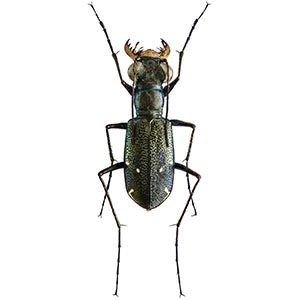
Ambalia aberrans: Historical collection records indicate the presence of this species in Madagascar. Photographic documentation exists of specimens from Parc National Ankarafantsika, a protected area in northwestern Madagascar, collected in November 2000. This national park encompasses diverse habitats including dry deciduous forests and lakes, representing important conservation areas for Madagascar’s endemic biodiversity.
Ambalia satura: The precise distributional data for this species within Madagascar requires further documentation in accessible scientific literature. As with many Madagascan endemic insects, comprehensive distributional surveys remain incomplete for numerous regions of the island.
Biogeographic Context
The Madagascan region, as defined biogeographically, encompasses not only the main island of Madagascar but also smaller associated islands, the Comoros archipelago, the Seychelles, and the Mascarene Islands. However, Ambalia species appear to be restricted to the main island of Madagascar itself, not having been recorded from these peripheral island systems. This pattern of endemism to the main island is shared by many Madagascan tiger beetle taxa, though some genera do occur across multiple islands within the broader Madagascan region.
Conservation Biogeography
Madagascar’s biodiversity faces severe threats from habitat loss, fragmentation, and degradation. The island has experienced dramatic deforestation, with estimates suggesting that over 90% of the original forest cover has been lost. This habitat destruction poses significant conservation challenges for endemic species, including specialized predatory insects like tiger beetles. The restricted distribution of Ambalia species makes them potentially vulnerable to extinction, though comprehensive population assessments have not been published.
Preferred Habitats
General Habitat Associations
While specific habitat data for Ambalia species are limited in the accessible literature, inferences can be drawn from the ecological characteristics of Madagascan tiger beetles more broadly and from the collection localities where specimens have been documented. Tiger beetles generally occupy terrestrial habitats where suitable substrate conditions exist for larval burrow construction and where adult hunting activities are facilitated by relatively open ground with adequate prey availability.
Northwestern Madagascar Habitats
The documentation of Ambalia aberrans from Parc National Ankarafantsika provides insight into potential habitat associations. This protected area is characterized by:
- Dry deciduous forests typical of northwestern Madagascar
- Sandy soils in certain areas, potentially suitable for tiger beetle larvae
- Transitional zones between forest and more open habitats
- Seasonal water bodies including Lake Ravelobe
These habitat types suggest that Ambalia species may be associated with forest ecosystems or forest edges where suitable microhabitat conditions exist. Many Madagascan tiger beetles occupy specialized niches within the island’s diverse ecosystems, from rainforests to dry deciduous forests to spiny forest formations.
Substrate Requirements
Tiger beetle larvae require appropriate substrate conditions for burrow construction. Substrate texture, moisture content, and stability are critical factors influencing larval habitat suitability. Adult tiger beetles often occur in areas with exposed soil or sandy substrates that facilitate their cursorial hunting strategy. The specific substrate preferences of Ambalia species warrant detailed field investigation.
Microhabitat Considerations
Within their broader habitat types, tiger beetles often exhibit preferences for specific microhabitats determined by factors such as sun exposure, substrate moisture, vegetation structure, and prey availability. Some species are habitat specialists, while others show broader ecological tolerances. The degree of habitat specialization in Ambalia species remains to be determined through systematic ecological studies.
Conservation Implications
Understanding the habitat requirements of endemic species is fundamental to conservation planning. Madagascar’s protected area network includes numerous national parks and reserves that potentially harbor Ambalia populations. However, many areas outside protected zones have experienced severe degradation. Comprehensive surveys to document the distribution and habitat associations of Ambalia species would provide valuable information for conservation prioritization and management strategies.
Scientific Literature Citing the Genus
Foundational Taxonomic Works
Regional Faunal Treatments
Systematic and Phylogenetic Studies
Biogeographic and Conservation References
General Cicindelidae References
Note on Data Availability: The genus Ambalia represents one of the many endemic Madagascan tiger beetle taxa that require further detailed study. While the taxonomic framework established by Jeannel (1946) and subsequent workers provides a foundation for understanding this genus, comprehensive ecological, behavioral, and distributional data remain limited in the accessible scientific literature. Future research on Ambalia species would contribute significantly to our understanding of Madagascar’s unique cicindelid fauna and inform conservation strategies for these endemic predatory beetles.
Madagascar’s tiger beetle fauna, comprising 19 genera, 28 subgenera, and over 230 species, represents one of the richest regional assemblages globally. This diversity reflects both the island’s long isolation and its varied ecosystems. Continued systematic and ecological research on taxa such as Ambalia is essential for documenting and preserving this remarkable component of Madagascar’s biodiversity heritage.