Entomology Definition:
Understanding the Science of Insects
Etymology: From Greek entomon (insect) + -logia (study)
Pronunciation: en-tuh-MOL-uh-jee
Scope: Scientific study of insects and their relationships to humans, environment, and other organisms
Estimated Species: Over 1 million described insect species, with millions more undiscovered
Wikipedia
Core Definition
Entomology is the scientific study of insects, encompassing their taxonomy, morphology, physiology, behavior, ecology, evolution, and interactions with other organisms and the environment. As a branch of zoology, entomology focuses on the most diverse group of organisms on Earth, examining insects from molecular to ecosystem levels and addressing both fundamental biological questions and practical applications in agriculture, medicine, forensics, and conservation.
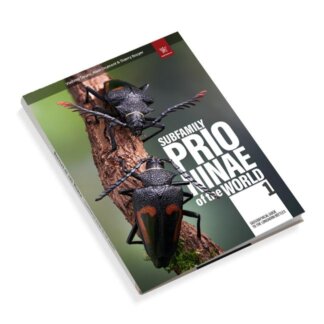
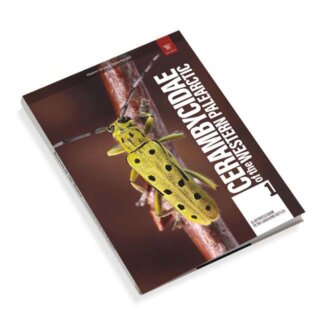
Book novelties:
Prioninae of the World I.
Cerambycidae of the Western Paleartic I.
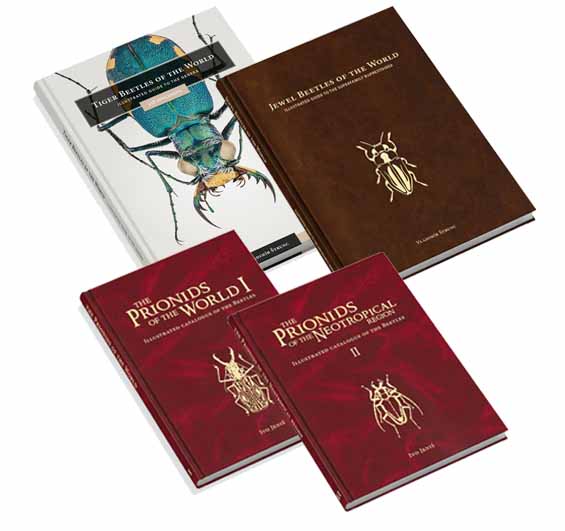
Books about Beetles
Unique pictorial atlases for identifying Beetles:
(2020) Tiger Beetles of the World, Cicindelidae, Illustrated guide to the genera
(2023) Tiger Beetles of Africa, Cicindelidae, Geographical guide to the family Cicindelidae
(2024) Tiger Beetles of Orient, Cicindelidae, Geographical guide to the family Cicindelidae
(2022) Ground Beetles of Africa, Afrotropical Region
(2022) Jewel Beetles of the World, Buprestidae, Illustrated guide to the Superfamily Buprestoidea
(2008) The Prionids of the World, Prioninae, Illustrated catalogue of the Beetles
(2010) The Prionids of the Neotropical region, Prioninae, Illustrated catalogue of the Beetles
Entomology is distinguished from casual insect observation or amateur collecting by its systematic, scientific approach. Entomologists employ rigorous methodologies including hypothesis testing, experimental design, statistical analysis, and peer review to generate reliable knowledge about insect biology. The field encompasses both basic research aimed at understanding insect biology for its own sake and applied research addressing practical problems involving insects.
The extraordinary diversity of insects—with over one million described species representing more than half of all known living organisms—makes entomology both challenging and endlessly fascinating. No single person can master knowledge of all insects, leading to specialization by taxonomic group, geographic region, or research approach. This specialization has given rise to numerous subdisciplines, each focusing on particular aspects of insect biology or particular insect groups.
Historical Development of Entomology
Ancient and Classical Period
Human interest in insects predates written history, with ancient civilizations recognizing insects’ importance as agricultural pests, disease vectors, and sources of products like honey and silk. However, scientific entomology emerged much later with the development of systematic natural history.
Ancient Greek philosopher Aristotle (384-322 BCE) made early contributions to entomology in his work Historia Animalium, describing insect anatomy, development, and behavior with surprising accuracy given the lack of magnification tools. He recognized insects as a distinct group and described metamorphosis, though his understanding was limited by ancient natural philosophy.
Roman naturalist Pliny the Elder (23-79 CE) compiled observations on insects in his encyclopedic Naturalis Historia, documenting practical knowledge about bees, silkworms, and other economically important insects accumulated over centuries of agricultural practice.
Renaissance and Early Modern Period
The invention of the microscope in the late 16th century revolutionized entomology by revealing previously invisible anatomical details. Dutch scientist Jan Swammerdam (1637-1680) used microscopy to study insect anatomy and metamorphosis with unprecedented precision, documenting the transformation of caterpillars to butterflies and demonstrating that insects undergo orderly development rather than spontaneous generation.
Italian physician Francesco Redi (1626-1697) conducted pioneering experiments disproving spontaneous generation of insects from decaying matter, establishing that flies arose from eggs laid by other flies. This work exemplified the emerging scientific method’s application to entomology.
Maria Sibylla Merian (1647-1717) made groundbreaking contributions through detailed observations and illustrations of insect life cycles, particularly butterflies and moths. Her work combining scientific accuracy with artistic beauty set standards for entomological illustration that persist today.
The classification revolution initiated by Carl Linnaeus (1707-1778) provided systematic frameworks for organizing insect diversity. His binomial nomenclature system and hierarchical classification laid foundations for modern taxonomy, allowing entomologists to communicate precisely about species.
19th Century: Professionalization
The 19th century saw entomology emerge as a distinct professional discipline with specialized journals, societies, and academic positions. Economic pressures from agricultural pests and disease-transmitting insects drove expansion of applied entomology, while collectors and naturalists documented global insect diversity.
Charles Darwin’s theory of evolution through natural selection, published in 1859, profoundly influenced entomology. Insects became important subjects for studying adaptation, speciation, and evolutionary processes. Darwin himself conducted extensive research on insect pollination and ant-plant relationships.
The discovery that mosquitoes transmit malaria and other diseases revolutionized medical entomology in the late 1800s. Ronald Ross’s demonstration of malaria transmission by Anopheles mosquitoes earned him the Nobel Prize in 1902 and established medical entomology as a crucial field for human health.
Development of economic entomology as a formal discipline responded to agricultural needs. The establishment of agricultural experiment stations and extension services created demand for professional entomologists to develop pest management strategies.
20th Century to Present
The 20th century brought revolutionary technologies and approaches to entomology. The development of chemical insecticides following World War II transformed pest management but also created challenges from resistance evolution and environmental impacts, as documented in Rachel Carson’s influential 1962 book Silent Spring.
Molecular biology and genetics opened new frontiers in entomology. The fruit fly Drosophila melanogaster became a premier model organism for genetics, with research on this insect contributing to understanding inheritance, development, and evolution. More recently, genome sequencing has revealed genetic foundations of insect biology and evolution.
Behavioral ecology emerged as a major subdiscipline, with insects serving as model systems for studying social behavior, communication, mating systems, and other topics. The study of social insects including ants, bees, and termites has provided insights into cooperation, division of labor, and collective intelligence.
Conservation biology has increasingly incorporated entomology as awareness of insect declines and their ecological importance has grown. Entomologists now play crucial roles in documenting biodiversity, assessing conservation status, and developing strategies to protect endangered species and ecosystems.
Modern entomology employs technologies including electron microscopy, DNA sequencing, remote sensing, computer modeling, and artificial intelligence to address questions ranging from molecular mechanisms to global patterns. The field continues evolving as new tools and approaches emerge.
Major Subdisciplines of Entomology
Entomology encompasses numerous specialized subdisciplines, each focusing on particular aspects of insect biology or specific applications:
Systematic Entomology (Taxonomy)
Systematic entomology focuses on discovering, describing, naming, and classifying insect species, and understanding evolutionary relationships among them. Taxonomists identify species, establish classification systems, and provide tools (identification keys, field guides) for recognizing insects. With millions of insect species remaining undescribed, taxonomic work continues to reveal biodiversity.
Modern systematic entomology increasingly incorporates molecular data alongside traditional morphological characters. DNA barcoding and phylogenomics provide powerful tools for delimiting species and resolving relationships. However, morphological expertise remains essential, particularly for identifying specimens and understanding functional adaptations.
Taxonomic expertise is foundational for all entomological work, as accurate identification is prerequisite for meaningful research. The decline in taxonomic expertise (“taxonomic impediment”) concerns many entomologists, as fewer young scientists receive training in identification and classification.
Agricultural Entomology
Agricultural entomology addresses insect pests of crops, stored products, and livestock, developing management strategies to minimize damage while considering environmental and economic factors. This subdiscipline has enormous economic importance, as insect pests cause billions of dollars in annual agricultural losses globally.
Modern agricultural entomology emphasizes integrated pest management (IPM), which combines multiple tactics including biological control, cultural practices, resistant crop varieties, and judicious pesticide use. IPM aims to manage pests sustainably rather than attempting total eradication, recognizing ecological complexity and reducing environmental impacts.
Research areas include pest biology and ecology, pest monitoring and forecasting, development of control methods, and assessment of management program effectiveness. Agricultural entomologists work in universities, government agencies, agricultural companies, and extension services.
Medical and Veterinary Entomology
Medical entomology studies insects and related arthropods that affect human health, including disease vectors (mosquitoes, flies, fleas, lice) and venomous or allergenic species. This field addresses some of humanity’s most serious health challenges, as insect-borne diseases including malaria, dengue, yellow fever, and plague have killed more humans throughout history than any other cause.
Research encompasses vector biology and ecology, pathogen-vector-host interactions, disease epidemiology, and vector control strategies. Modern approaches include genetic modification of vectors, development of vaccines, and improvement of diagnostic tools.
Veterinary entomology focuses on arthropod pests and parasites of domestic animals, addressing economic losses from reduced productivity and disease transmission in livestock. Many medically important diseases affect both humans and animals, making medical and veterinary entomology closely related fields.
Forest Entomology
Forest entomology studies insects in forest ecosystems, including both beneficial species contributing to forest functioning and pest species causing tree mortality and economic losses. Forest insects include herbivores, decomposers, pollinators, and predators, all playing important ecological roles.
Bark beetles, defoliators, and wood borers can cause massive tree mortality, affecting timber production, wildlife habitat, and ecosystem services. Climate change is altering forest insect dynamics, with warming temperatures affecting insect ranges, voltinism, and outbreak patterns. Understanding these changes is crucial for forest management and conservation.
Urban Entomology
Urban entomology addresses insects in human-built environments, including structural pests (termites, cockroaches, ants), nuisance species, and beneficial urban insects. As human populations increasingly concentrate in cities, understanding and managing urban insects becomes more important.
Urban pest management faces unique challenges including close proximity to people, diverse stakeholder interests, and restrictions on pesticide use. Integrated pest management in urban settings requires understanding insect biology in human-modified environments and developing management strategies compatible with urban contexts.
Forensic Entomology
Forensic entomology applies entomological knowledge to legal investigations, most commonly estimating postmortem intervals based on insect succession patterns on decomposing remains. Forensic entomologists provide expert testimony in criminal and civil cases.
The field has expanded beyond death investigations to include insect evidence in cases involving neglect, abuse, product contamination, and other legal matters. Rigorous scientific methods and chain-of-custody procedures are essential, as forensic evidence must withstand legal scrutiny.
Apiculture (Beekeeping Science)
Apiculture focuses on honey bees and their management for honey production, pollination services, and other bee products. While partly agricultural practice, apiculture incorporates significant scientific research on bee biology, diseases, nutrition, breeding, and responses to environmental stresses.
Concerns about bee declines have intensified research on colony collapse disorder, pesticide effects, pathogens, and other factors affecting bee health. Pollination ecology research examines bee contributions to crop pollination and natural ecosystem functioning.
Behavioral Entomology
Behavioral entomology studies insect behavior at various levels from neural mechanisms to ecological and evolutionary contexts. Research addresses how insects perceive environments, make decisions, communicate, find mates, locate resources, and interact socially.
Social insects (ants, bees, wasps, termites) are prominent subjects for behavioral research given their complex social organization, communication systems, and collective behaviors. Studies of social insects have contributed to understanding cooperation, division of labor, and emergence of complex systems from simple individual behaviors.
Chemical Ecology
Chemical ecology examines chemical communication and interactions among insects and between insects and other organisms. Insects rely heavily on chemical signals (pheromones) for mate location, alarm signaling, trail marking, and other communications. They also respond to plant chemical signals when locating hosts or detecting defended plants.
Research has practical applications in developing monitoring tools using pheromones and in understanding how insects locate and accept host plants. Chemical ecology integrates chemistry, biology, and ecology to understand chemically mediated interactions.
Insect Ecology
Insect ecology examines insects’ roles in ecosystems, their interactions with other organisms, and responses to environmental conditions. Research addresses topics including population dynamics, community structure, food web interactions, ecosystem services, and responses to disturbance and climate change.
Insects provide crucial ecosystem services including pollination, decomposition, nutrient cycling, and biological control of other organisms. Understanding these services and factors affecting them is increasingly important for ecosystem management and conservation.
Insect Physiology and Molecular Biology
This subdiscipline examines how insects function at cellular and molecular levels, addressing topics including metabolism, respiration, circulation, excretion, neural function, endocrine regulation, immunity, and development. Understanding physiological mechanisms is fundamental for comprehending insect ecology, evolution, and responses to environmental challenges.
Molecular approaches have revolutionized understanding of development, with research on Drosophila revealing genetic control of pattern formation and organogenesis. These insights extend beyond insects to general principles of development across animals.
Scope and Importance of Entomology
Scientific Importance
Insects serve as model organisms for addressing fundamental biological questions. Their diversity, experimental tractability, short generation times, and small size make them ideal for research on genetics, development, evolution, behavior, and ecology. Discoveries from insect research have contributed to understanding biology generally, with applications extending far beyond entomology.
The fruit fly Drosophila melanogaster has been central to genetics for over a century, with research on this species contributing to understanding inheritance, mutation, chromosomes, development, and molecular biology. Multiple Nobel Prizes have recognized research using Drosophila as a model system.
Insects’ evolutionary success and diversity make them valuable for studying adaptation, speciation, and macroevolution. Their fossil record extends over 400 million years, providing long-term perspective on evolutionary dynamics.
Economic Importance
Insects have enormous economic impacts, both positive and negative. Agricultural pests cause billions of dollars in annual crop losses globally. Controlling these pests, managing their impacts, and developing resistant crops employs thousands of entomologists and generates significant economic activity.
Beneficial insects provide essential services. Pollinators, particularly bees but also flies, butterflies, and others, enable reproduction of most flowering plants including many crops. The economic value of pollination services is estimated at hundreds of billions of dollars annually worldwide. Natural enemies of pests provide biological control worth billions of dollars in prevented crop losses.
Insects produce valuable products including honey, silk, lac, and various chemicals with pharmaceutical applications. Insect farming for food and feed is an emerging industry addressing protein production sustainability.
Medical and Veterinary Importance
Insect-borne diseases remain among the most serious threats to human health. Malaria alone causes hundreds of thousands of deaths annually, primarily in children. Dengue, yellow fever, Zika, chikungunya, leishmaniasis, Chagas disease, sleeping sickness, and plague are all transmitted by insects, affecting hundreds of millions of people.
Controlling disease vectors through understanding their biology, ecology, and behavior is central to disease prevention. Medical entomologists contribute to reducing disease burden through vector surveillance, control program design, and research on vector-pathogen interactions.
Veterinary pests reduce livestock productivity through blood feeding, stress, disease transmission, and myiasis. Managing these pests improves animal welfare and agricultural efficiency.
Environmental and Conservation Importance
Insects are essential components of virtually all terrestrial and freshwater ecosystems. They pollinate plants, decompose organic matter, cycle nutrients, serve as food for other animals, and regulate populations of other organisms. Loss of insect diversity and abundance threatens ecosystem functioning and services.
Growing evidence of insect declines in many regions has alarmed scientists and the public. Entomologists play crucial roles in documenting these declines, understanding their causes, and developing conservation strategies. Insects serve as indicators of environmental health, with changes in insect communities reflecting habitat degradation, pollution, and climate change.
Methods and Approaches in Entomology
Field Methods
Entomologists employ diverse field techniques for studying insects in natural habitats. Collecting methods include sweep nets for flying insects, pitfall traps for ground-dwelling species, light traps for nocturnal insects, malaise traps for flying insects, and specialized methods for particular groups. Systematic sampling using standardized protocols generates quantitative data on diversity, abundance, and distribution.
Direct observation, increasingly aided by photography and video recording, documents behavior, phenology, and species interactions. Mark-recapture studies estimate population sizes and dispersal distances. Radio telemetry and GPS tracking, recently miniaturized for use with larger insects, reveal movement patterns and habitat use.
Laboratory Methods
Laboratory research employs controlled experiments to test hypotheses about insect biology. Rearing insects under controlled conditions allows study of development, reproduction, and responses to environmental factors. Behavioral assays in arenas or chambers quantify responses to stimuli.
Microscopy reveals anatomical details invisible to the naked eye. Light microscopy examines external and internal structures, while electron microscopy provides ultrastructural detail. Confocal microscopy enables three-dimensional reconstruction of tissues.
Molecular methods including DNA extraction, amplification, and sequencing have become standard tools. These techniques support species identification through DNA barcoding, population genetics studies, phylogenetic analyses, and functional genomics research examining gene expression and regulation.
Analytical Methods
Modern entomology relies heavily on statistical analysis and mathematical modeling. Statistical methods test hypotheses, estimate parameters, and account for sampling variation. Models simulate population dynamics, predict pest outbreaks, analyze spatial patterns, and project climate change impacts.
Geographic information systems (GIS) and remote sensing integrate spatial data, supporting research on species distributions, habitat associations, and landscape-level patterns. Computer vision and machine learning are increasingly applied to automated species identification, monitoring systems, and large-scale data analysis.
Interesting Facts About Entomology
The Enormous Scale of Insect Diversity
Approximately 1 million insect species have been scientifically described and named, representing more than half of all described living organisms. However, this is likely only a fraction of actual insect diversity. Estimates of total insect species range from 2-3 million to over 10 million, though the true number remains uncertain. Some tropical habitats, particularly rainforest canopies, remain poorly sampled, and many small, cryptic species await discovery even in well-studied regions.
Describing all insect species at current rates would require centuries. With perhaps 5,000-8,000 new insect species described annually, the task of documenting global insect diversity far exceeds available taxonomic capacity. This “taxonomic impediment” constrains biodiversity conservation and ecological research.
Insects as Model Organisms
Several insect species have become premier model organisms for biological research. Drosophila melanogaster (fruit fly) has contributed to more biological discoveries than any other animal, with six Nobel Prizes awarded for research using this species. The honey bee Apis mellifera serves as a model for social behavior, learning, and navigation. The silkworm Bombyx mori was the first insect to have its genome fully sequenced.
The red flour beetle Tribolium castaneum is now a model for developmental biology and evolution. Various mosquito species serve as models for medical research. These model systems demonstrate that fundamental biological principles can be discovered through intensive study of selected species.
Historical Impact of Insect-Borne Disease
Insect-borne diseases have shaped human history profoundly. Malaria and yellow fever influenced the outcome of wars, determined the success or failure of colonization efforts, and affected the location of capital cities. The Panama Canal construction was delayed for decades by yellow fever and malaria; only after medical entomologists identified mosquitoes as vectors and implemented control measures could construction proceed.
Plague, transmitted by fleas, caused the Black Death that killed an estimated one-third of Europe’s population in the 14th century. Typhus, transmitted by lice, has killed millions during wars and famines. Understanding vector biology and developing control methods represents one of entomology’s greatest contributions to human welfare.
Economic Value of Insect Services
The economic value of ecosystem services provided by beneficial insects is staggering. Global pollination services are valued at hundreds of billions of dollars annually. Biological control by natural enemies of pests provides similar economic benefits by reducing crop losses without chemical inputs. Decomposition and nutrient cycling by insects supports ecosystem productivity underlying agriculture and forestry.
If pollinators disappeared, human agriculture would face catastrophic impacts. While wind-pollinated crops like wheat, rice, and corn would persist, most fruits, vegetables, and nuts depend on insect pollination. Maintaining pollinator populations is thus crucial for food security and agricultural sustainability.
Insect Biomass and Abundance
The total biomass of insects on Earth is enormous, though exact estimates are difficult. One widely cited estimate suggests that insect biomass may exceed that of all humans by a factor of 17 or more. At any given moment, an estimated quintillion (10 to the 18th power) individual insects are alive on Earth.
Recent studies documenting insect declines in various regions have raised concerns about global trends. Some studies have documented declines of over 75% in flying insect biomass over several decades in protected European areas. While causes remain debated (habitat loss, pesticides, climate change, and other factors all implicated), these findings have alarmed entomologists and conservation biologists.
Extremes of Insect Biology
Insects exhibit remarkable biological extremes. The smallest insects, certain parasitic wasps, measure only 0.15 mm long—smaller than some single-celled organisms. The largest, the titan beetle Titanus giganteus, can exceed 16 cm in length. The heaviest insects are certain rhinoceros beetle larvae exceeding 100 grams.
Some insects can withstand extraordinary environmental extremes. Certain midges survive in Antarctica at temperatures below -40°C. Desert beetles tolerate extreme heat. Some species survive desiccation, freezing, or oxygen deprivation that would kill most animals. These adaptations make insects among Earth’s most resilient organisms.
Insect life spans range from a few days for some mayflies to decades for certain queen termites. Development times range from days in some parasitoids to years in some wood-boring beetles. This diversity in life history strategies reflects adaptation to vastly different ecological niches.
Insects and Human Culture
Insects feature prominently in human culture across societies. Scarab beetles were sacred in ancient Egypt. Cicadas appear in Chinese art and poetry as symbols of rebirth. Crickets are kept as pets for their songs in various Asian cultures. Butterfly houses and insect zoos allow public appreciation of living insects.
Entomophagy—eating insects—is practiced in many cultures, with over 2,000 insect species consumed as food. Insects provide high-quality protein with lower environmental impacts than conventional livestock. Interest in insects as sustainable food sources is growing in Western nations, though cultural barriers remain significant.
Insect collecting has been a popular hobby for centuries, with passionate collectors contributing significantly to entomological knowledge. Major museum collections were often founded on amateur collections. While collecting can raise conservation concerns for rare species, it has also created generations of naturalists and scientists.
Technological Innovations from Entomology
Studying insects has inspired technological innovations. Velcro was invented after examining how burrs attached to dog fur using microscopic hooks—similar structures found on insect feet. Studying insect flight has informed drone design and micro-aerial vehicle development. Insect navigation strategies inspire robotics and artificial intelligence research.
Structural coloration in butterfly wings has inspired development of new optical materials and coatings. Studying how insects survive harsh environments informs preservation of biological materials and development of stress-resistant crops. The field of biomimetics—engineering solutions inspired by biology—frequently draws on insect adaptations.
Women in Entomology
Despite historical barriers, women have made crucial contributions to entomology. Maria Sibylla Merian’s 17th-century work on insect metamorphosis combined scientific rigor with artistic mastery. Eleanor Ormerod pioneered agricultural entomology in Britain in the late 1800s. Anna Botsford Comstock’s nature study movement and textbooks introduced generations of students to entomology.
In modern times, women have increasingly entered entomology, making important contributions across all subdisciplines. However, gender disparities persist, with women underrepresented in senior academic positions and entomological leadership roles. Addressing these disparities remains an ongoing challenge for the discipline.
Entomological Societies and Publications
Entomology is served by numerous professional societies at international, national, and regional levels. The Entomological Society of America, founded in 1889, has over 7,000 members. Similar societies exist in virtually all countries with significant entomological research. These organizations publish journals, organize meetings, promote entomology education, and provide professional development.
Hundreds of scientific journals publish entomological research, ranging from general journals covering all entomology to highly specialized journals focusing on particular insect groups or subdisciplines. This vast literature reflects the breadth and productivity of entomological research globally.
Current Challenges and Future Directions
Insect Declines and Conservation
Evidence of insect declines in multiple regions has emerged as a major concern. While data quality and geographic coverage vary, documented declines in insect abundance, biomass, and diversity across taxa and regions suggest a serious problem. Potential causes include habitat loss, agricultural intensification, pesticide use, climate change, light pollution, and invasive species—likely acting synergistically.
Addressing insect declines requires better monitoring to document trends, research to understand causes, and conservation strategies to reverse declines. Entomologists are increasingly engaged in conservation biology, working to protect threatened species and maintain insect diversity supporting ecosystem functioning.
Climate Change Impacts
Climate change is altering insect distributions, phenology, voltinism, and interactions with other organisms. Warming temperatures are allowing range expansions of some species while threatening high-elevation and high-latitude specialists. Phenological shifts can create mismatches between insects and their food plants or hosts. Understanding and predicting these changes is crucial for agriculture, disease management, and conservation.
Invasive Species
Global commerce facilitates accidental introduction of insects outside their native ranges. Invasive insects cause enormous agricultural and ecological damage. Notable examples include emerald ash borer devastating North American ash trees, Asian longhorned beetle threatening hardwood forests, and brown marmorated stink bug damaging numerous crops. Preventing introductions, detecting new invasions early, and managing established invaders are ongoing challenges.
Emerging Technologies
New technologies are transforming entomology. High-throughput DNA sequencing enables analysis of gut contents, microbial associates, and environmental DNA. Remote sensing from satellites and drones monitors habitats and insect populations. Automated monitoring using sensors and machine learning can track insect activity continuously. Gene editing technologies like CRISPR allow precise genetic modifications, opening possibilities for basic research and applied uses including modified disease vectors.
Artificial intelligence and machine learning are being applied to automated species identification, analysis of acoustic and chemical signals, and prediction of pest outbreaks. These tools have potential to expand monitoring capacity and extract insights from large datasets, though they supplement rather than replace human expertise.
Interdisciplinary Integration
Modern entomology increasingly integrates with other disciplines. Collaboration with climatologists, engineers, computer scientists, social scientists, and others addresses complex problems requiring diverse expertise. Understanding insect ecology, for instance, may require integrating knowledge from molecular biology, physiology, behavior, population dynamics, and community ecology across multiple spatial and temporal scales.
Education and Careers in Entomology
Educational Pathways
Becoming a professional entomologist typically requires advanced education. Most entomology careers require at least a master’s degree, with research positions and professorships generally requiring a Ph.D. University programs in entomology, though declining in number, provide specialized training in insect biology, ecology, taxonomy, and particular subdisciplines.
Undergraduate education in biology, ecology, or environmental science often provides preparation for graduate study in entomology. Coursework in statistics, chemistry, and molecular biology complements entomological training. Field experience through internships, research projects, or collecting builds practical skills essential for entomological work.
Career Opportunities
Entomologists work in diverse settings including universities (teaching and research), government agencies (agricultural research, public health, conservation), museums (collection management, research), agricultural companies (product development, pest management), consulting firms (environmental assessment, pest management), and non-profit organizations (conservation, education).
Specific career paths include integrated pest management specialists, vector control specialists, regulatory entomologists, extension specialists, forensic entomologists, collection managers, science writers, and many others. The breadth of career options reflects entomology’s diverse applications and importance.
Conclusion
Entomology encompasses the scientific study of Earth’s most diverse group of organisms. From its roots in ancient natural history through its development as a rigorous scientific discipline, entomology has contributed fundamentally to biological understanding while addressing practical problems affecting human health, agriculture, and environmental quality.
The field’s breadth reflects insect diversity and importance. Subdisciplines ranging from molecular biology to ecosystem ecology, from basic taxonomy to applied pest management, all contribute to comprehensive understanding of insect biology and human-insect interactions. This diversity creates a dynamic, interdisciplinary field constantly evolving with new technologies, questions, and challenges.
Insects’ ecological importance, economic impacts, and value as research subjects ensure entomology’s continued relevance. Current challenges including insect declines, climate change, invasive species, and emerging diseases require entomological expertise. Future entomologists will need to integrate knowledge across biological scales and disciplines, employ cutting-edge technologies, and communicate effectively with diverse audiences to address complex problems involving insects.
Whether motivated by fascination with insect diversity, desire to address practical problems, commitment to conservation, or interest in fundamental biological questions, those who pursue entomology enter a field combining intellectual challenge, practical importance, and appreciation for the remarkable creatures that dominate terrestrial biodiversity. As our understanding of insects continues to grow and our appreciation of their importance deepens, entomology remains essential for understanding life on Earth and addressing humanity’s challenges in a rapidly changing world.