Genus Cylindera Westwood, 1831 (Cicindelidae)
A Diverse Palearctic Tiger Beetle Lineage with Remarkable Ecological and Evolutionary Diversity
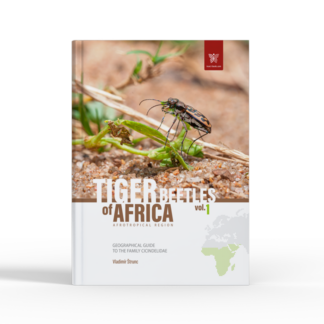
The Ultimate Visual Guide to Tiger Beetles
Taxonomic Note: The genus Cylindera represents one of the most taxonomically complex groups within Cicindelidae. Molecular phylogenetic studies have revealed that Cylindera as traditionally conceived is polyphyletic, with different lineages having independent evolutionary origins. However, the genus remains widely recognized and contains numerous ecologically important species distributed across the Palearctic realm, the Near East, northern Africa, and extending into East Asia. The genus includes several distinctive subgenera, some of which are occasionally elevated to generic status by different authorities, reflecting ongoing debate about optimal taxonomic classification.
Systematics
Taxonomic Position and Original Description
The genus Cylindera Westwood, 1831 belongs to the family Cicindelidae and was originally described by the English entomologist John Obadiah Westwood in his work “Mémoire pour servir à l’Histoire naturelle de la famille des Cicindélètes” published in 1831. Within the systematic hierarchy, the genus is classified as follows:
- Taxonomic hierarchy:
Order: Coleoptera
Suborder: Adephaga
Family: Cicindelidae
Tribe: Cicindelini



Taxonomic History and Complexity
Cylindera was established as part of the broader taxonomic dismemberment of the large and heterogeneous genus Cicindela Linnaeus. Throughout the 19th and 20th centuries, numerous species originally described as Cicindela were transferred to Cylindera, and the genus accumulated a diverse array of species from across the Palearctic and Oriental regions.
The taxonomic status of Cylindera has been subject to varying interpretations by different authorities. Some taxonomists treat Cylindera as a distinct genus, while others consider it a subgenus of the expansive genus Cicindela. This taxonomic instability reflects the fundamental challenge of dealing with an ancient, widely distributed group that has undergone extensive evolutionary radiation.
Recent molecular phylogenetic studies, particularly those based on mitochondrial (16S rRNA, COX3, CytB, COI) and nuclear (28S rDNA, wingless) gene sequences, have revealed that Cylindera as traditionally conceived is polyphyletic—that is, the species grouped within this genus do not all share a single common ancestor exclusive to this lineage. Various North American species historically placed in Cylindera have been shown through phylogenetic analysis to belong to distinct evolutionary lineages and have been or will be reclassified into other genera.
Geographic Range and Species Diversity
The genus Cylindera is primarily distributed across the Palearctic realm (Europe, North Africa, the Near East, and temperate Asia), with significant diversity also in the Oriental region, particularly East Asia. The genus is cosmopolitan in the sense that it occupies a very wide geographic range, though it is notably absent from Australia and much of the Neotropical region.
The number of species within Cylindera varies considerably depending on the taxonomic authority consulted and whether various subgenera are treated as distinct genera or retained within Cylindera. As of recent catalogs, the genus (in its broader sense) contains dozens of species distributed across multiple subgenera. In China alone, at least 24 species of Cylindera have been recorded.
Major Subgenera
The genus Cylindera is subdivided into numerous subgenera, each with distinctive morphological characteristics and geographic distributions. The major subgenera include:
Cylindera s. str. (nominotypical subgenus): The core group of species that most closely match the original generic description. These typically have slender bodies, reduced maculation with longitudinal tendencies, punctured elytra, sparse ventral hairs, and glabrous proepisternum. Several species in this subgenus are flightless due to reduced hind wings. This subgenus includes species distributed across Europe, the Near East, and Asia.
Apterodela Rivalier, 1950: One of the most distinctive subgenera (often elevated to full generic status by some authorities), comprising large-bodied, flightless species. The name derives from Greek roots meaning “wingless,” referring to the group’s characteristic inability to fly. Species in this subgenus have ancient divergences among endemic populations in Taiwan, Japan, and mainland Asia (2.1-4.7 million years ago), suggesting dispersal across extended landmasses during the Pliocene epoch when sea levels were lower. The flightlessness of these beetles has profoundly shaped their biogeographic patterns and speciation dynamics. Recent revisions have established the subgenus Protoapterodela within Apterodela, with A. shirakii (W. Horn, 1927) as its type species. Species include A. ovipennis, A. lobipennis, A. kazantsevi, and recently described taxa from China.
Ifasina Jeannel, 1946: A primarily Oriental subgenus with significant diversity in Southeast Asia, including the Philippines where at least 12 species have been recorded. Species in this subgenus often display beautiful metallic coloration with distinctive elytral maculation patterns. Recent species descriptions include C. (Ifasina) ilonae from northern Vietnam, C. (I.) klimenkoi from Luzon Island (Philippines), and C. (I.) kerkeringi from Palawan Island (Philippines).
Cicindina Adam & Merkl, 1986: A subgenus of small-bodied, flying species. Cylindera elisae in this subgenus has spread throughout East Asia and gave rise to C. bonina, an endemic species on the oceanic Bonin Islands, during the early Pleistocene (approximately 0.9 million years ago).
Eugrapha Rivalier, 1950: Another subgenus with East Asian distribution, including species found in Taiwan such as C. elisae reductelineata and C. elisae formosana.
Eriodera Rivalier, 1961: A subgenus with representatives in Central Asia and adjacent regions.
Parmecus Motschulsky, 1864: Recently reestablished as a valid subgenus of Cylindera following taxonomic revision. The type species is Cylindera (Parmecus) dromicoides (Chaudoir, 1852). This subgenus includes three species: C. (P.) dromicoides from the Himalayan region (recently recorded from Pakistan and Jammu and Kashmir, India), C. (P.) armandi (Fairmaire, 1886) from the Himalayan region (newly recorded from Sichuan Province, China), and C. (P.) mosuoa sp. nov. described from Yunnan Province, China.
Additional subgenera recognized by various authors include Leptinomera, Verticina, Oligoma, Conidera, among others, reflecting the enormous morphological and ecological diversity within this genus complex.
Selected Important Species
Notable species within Cylindera include:
- Cylindera arenaria (Fuesslin, 1775) – The sand tiger beetle, widely distributed across Europe (except Estonia, Portugal, and some islands), with subspecies including C. a. arenaria (western Europe) and C. a. viennensis (Schrank, 1781) (central and eastern Europe extending to western Siberia and Lake Baikal). This species is a characteristic inhabitant of sandy environments and has been the subject of burrow studies.
- Cylindera germanica (Linnaeus, 1758) – The German tiger beetle, distributed across central Europe with subspecies C. g. germanica and C. g. muelleri (Magistretti, 1966).
- Cylindera paludosa (Dufour, 1812) – A species associated with wetland habitats in southern Europe, documented from Spain (La Mancha wetlands), France, and southeastern Europe.
- Cylindera trisignata – With subspecies C. t. hellenica found in the Balkans.
- Cylindera morio (Klug, 1834) – A taxonomically complex species from the Near East and North Africa, subject to recent revision clarifying the status of allied taxa.
Morphological Characteristics
Species of Cylindera exhibit considerable morphological variation, reflecting their diverse ecological niches and evolutionary histories. General characteristics include:
Body Form: Most species have moderately elongate bodies, though the subgenus Apterodela is characterized by large, robust forms. Body length typically ranges from 10-20 mm depending on species and subgenus.
Coloration: Many species display metallic coloration ranging from bronze, coppery-green, blue-green, to purple-bronze. The degree of iridescence varies among species. Some species have relatively uniform coloration while others show striking color patterns.
Elytral Maculation: The pattern of pale (white, cream, or yellowish) markings on the elytra is highly variable and taxonomically important. Maculation patterns range from extensive to highly reduced or nearly absent in some species. The maculation often shows longitudinal tendencies in Cylindera s. str.
Labrum: The shape, color, and setation of the labrum (upper lip) are important diagnostic characters. The number of marginal setae typically ranges from 4-8 depending on species.
Wings: While most species are capable fliers, some species (particularly in Apterodela and some Cylindera s. str.) have reduced or vestigial hind wings and are flightless, an adaptation that has important biogeographic and ecological consequences.
Sexual Dimorphism: Males and females often differ in elytral maculation patterns and genitalic structures. Male genitalia, particularly the aedeagus and its internal sac structures, are critical for species identification and phylogenetic analysis.
Bionomics – Mode of Life
General Biology and Life Cycle
Like all tiger beetles, Cylindera species are obligate predators throughout their life cycle. They undergo complete metamorphosis (holometaboly) with distinct egg, larval (typically three instars), pupal, and adult stages.
Adult Behavior and Ecology
Hunting Strategy: Adult Cylindera are active, diurnal visual predators that hunt on the soil surface in open habitats. They are among the fastest-running insects relative to body size, capable of rapid sprints to pursue prey or escape threats. Their large, prominent compound eyes provide excellent visual acuity for detecting motion of potential prey or approaching predators.
When hunting, Cylindera beetles typically employ a characteristic “run-and-pause” strategy: they sprint rapidly across the substrate, then stop suddenly to visually scan for prey. This behavior is necessitated by their running speed exceeding the temporal resolution of their visual system—they literally run too fast to see clearly while in motion.
Diet: Adults are generalist predators feeding on a wide variety of small arthropods including ants, beetles, flies, caterpillars, grasshopper nymphs, spiders, and other invertebrates. They are opportunistic hunters that will attack prey as large as or even larger than themselves, using their powerful sickle-shaped mandibles to capture and subdue victims.
Thermoregulation: As ectothermic insects, Cylindera beetles are active during warm, sunny periods when body temperatures are optimal for rapid locomotion. Different species exhibit various thermoregulatory behaviors including basking in sunlight to raise body temperature, seeking shade when overheated, digging shallow scrapes in substrate, or stilting (raising the body on extended legs) to reduce contact with hot sand surfaces. Some species inhabiting particularly hot environments like salt flats have evolved sophisticated behavioral thermoregulation.
Flight Capability: Most Cylindera species are capable fliers and will take wing when disturbed or when searching for new habitat patches. However, flight is metabolically expensive and is used judiciously. Flightless species in subgenus Apterodela represent an extreme adaptation, with wings reduced to non-functional vestiges. This flightlessness profoundly affects dispersal ability and has led to high rates of endemism and allopatric speciation.
Reproductive Biology
Mating Behavior: Mating in Cylindera follows the typical tiger beetle pattern. Males locate receptive females and copulation occurs with the male mounting the female dorsally. Following copulation, males often exhibit mate-guarding behavior, grasping the female’s pronotum with their mandibles and riding on her back for extended periods to prevent other males from mating with her.
Oviposition: Females lay eggs individually in small holes excavated in suitable substrate. The female uses her ovipositor to create a shallow hole in sandy, sandy-clay, or other firm but penetrable soil, deposits a single egg, and typically covers the site with soil to discourage predators and parasitoids. Egg-laying sites are selected based on substrate characteristics (texture, moisture, temperature) that will be suitable for larval development.
Larval Biology and Development
Larval Morphology: Cylindera larvae exhibit the characteristic tiger beetle larval form: an elongate, cylindrical body with a heavily sclerotized, flattened head capsule bearing enormous, sickle-shaped mandibles. The body has three thoracic and ten abdominal segments. A distinctive feature is the presence of dorsal hooks (grappling organs) on the fifth abdominal segment, which serve to anchor the larva within its burrow.
Burrow Construction: Upon hatching, the first-instar larva enlarges the oviposition hole and excavates a vertical or nearly vertical burrow perpendicular to the soil surface. The larva uses its mandibles to loosen soil particles and employs its head and thorax like a shovel to carry loosened soil to the surface, where it is ejected from the burrow entrance. Burrow depth varies with larval instar and species, typically ranging from a few centimeters for first instars to 45 cm (18 inches) or more for final-instar larvae.
The burrow provides multiple functions: protection from predators, refuge from temperature extremes and desiccation, a stable platform for ambush hunting, and eventually a pupation chamber. Studies of Cylindera arenaria viennensis have documented the burrow architecture in detail, with burrows excavated in aeolian sand deposits showing characteristic linear or J-shaped forms.
Hunting Strategy: Larvae are sit-and-wait ambush predators. The larva positions itself at or just below the burrow entrance with its flattened head forming a trap door flush with or slightly recessed below the soil surface. The larva remains motionless for extended periods, waiting for potential prey to wander within striking distance. When suitable prey approaches, the larva lunges upward with remarkable speed, seizing the victim with its mandibles. The dorsal hooks on the abdomen anchor the larva in the burrow, providing leverage to prevent the prey from dragging the larva out and to help subdue struggling prey. Once captured, prey is pulled into the burrow where it is consumed.
Development and Duration: The larval stage consists of three instars. Development time is highly variable depending on species, climate, prey availability, and local conditions. The larval period may extend from one to several years. In cooler climates, larvae overwinter in their burrows, digging deeper to avoid freezing temperatures and remaining inactive during winter months. Growth occurs primarily during the warmer months when prey is abundant and temperatures are suitable for activity.
Pupation: When the third-instar larva reaches full size, it constructs a pupal cell within the burrow, typically a few inches below the soil surface. The burrow entrance is plugged with soil prior to pupation. The pupal stage is non-feeding and lasts approximately three weeks or more depending on temperature. After emerging from the pupal case, the teneral (newly emerged) adult must wait several days within the burrow for its exoskeleton to harden and pigmentation to fully develop before excavating to the surface. Even after emergence, adults remain soft and vulnerable for a period before achieving full hardness and color.
Predators and Parasitoids
Despite their predatory prowess, Cylindera beetles face numerous natural enemies. Adults are preyed upon by dragonflies, robber flies, other tiger beetles, birds (particularly shrikes, flycatchers, and swallows), lizards, and small mammals. The rapid running speed and quick flight response of adults are primary defenses against predation.
Larvae in their burrows are vulnerable to specialized parasitoids, particularly wasps in the family Thynnidae, and to predators that can dig them out or invade burrows. Ants are both prey and sometimes predators of tiger beetle larvae. Various flies, including bee flies (Bombyliidae) and flesh flies (Sarcophagidae), parasitize tiger beetle larvae.
Distribution
Overall Geographic Range
The genus Cylindera is distributed primarily across the Palearctic biogeographic realm, with the range extending from western Europe through North Africa, the Near East, and across temperate and subtropical Asia to the Pacific. The genus also has significant representation in the Oriental region, particularly in East and Southeast Asia.
Regional Distribution Patterns
Europe: Cylindera species are widespread across much of Europe, with particular diversity in Mediterranean and eastern European regions. C. arenaria is found throughout much of Europe except for Estonia, Portugal, northwestern regions, and various islands. The subspecies C. a. viennensis occupies the Balkan Peninsula and extends eastward into western Siberia. C. germanica is characteristic of central European habitats. C. paludosa occurs in wetland habitats of southern and eastern Europe.
Mediterranean and Near East: The Mediterranean basin and Near Eastern regions harbor diverse Cylindera assemblages. Species such as C. morio and allied taxa occupy habitats in the eastern Mediterranean, North Africa, and the Near East. The taxonomic complexity of this region reflects both ancient lineages and more recent speciation events shaped by Pleistocene climate oscillations.
Central and Northern Asia: Cylindera arenaria viennensis extends from eastern Europe through western Siberia to the Baikal region. Various species in subgenus Parmecus and other subgenera occupy montane and highland habitats of Central Asia, including the Himalayan region. Species have been recorded from Kazakhstan, Uzbekistan, Xinjiang (China), Mongolia, and adjacent regions, though some historical records have been corrected or rejected based on taxonomic revisions.
East Asia: East Asia represents a major center of Cylindera diversity, particularly for several subgenera. China hosts at least 24 recorded species, with particularly high diversity in Yunnan Province (at least 9 species documented). The East Asian islands show remarkable patterns of endemism:
- Japan: Home to endemic species particularly in subgenus Apterodela, including A. ovipennis. The ancient divergence of Japanese populations (2.1-4.7 million years ago) reflects Pliocene dispersal when landmasses were connected and subsequent isolation.
- Taiwan: Harbors 10 known species and subspecies in four subgenera: Cylindera s. str. (4 taxa), Ifasina (3 taxa), Eugrapha (2 taxa), and Apterodela (1 species: C. shirakii). Recent molecular studies have revealed cryptic species and led to descriptions of new taxa from the island.
- Bonin Islands: The oceanic Bonin Islands harbor the endemic C. bonina (subgenus Cicindina), which diverged from its mainland ancestor C. elisae approximately 0.9 million years ago during the early Pleistocene.
Southeast Asia: The Oriental region, particularly mainland and insular Southeast Asia, shows high diversity in subgenus Ifasina. Recent taxonomic work has documented numerous species from Vietnam, Laos, and the Philippines. The Philippine archipelago alone harbors at least 12 species of Cylindera (Ifasina), with new species continuing to be described (e.g., C. kerkeringi from Palawan Island in 2023).
Biogeographic Patterns and Historical Processes
The current distribution of Cylindera species reflects complex interactions between ancient lineage persistence, Quaternary climate oscillations, dispersal dynamics, and vicariance (geographic isolation) events.
Molecular phylogenetic and divergence time analyses have provided insights into the historical biogeography of the genus. The subgenus Apterodela shows ancient divergences (2.1-4.7 million years ago) among endemic species in Taiwan, Japan, and mainland Asia. This pattern is consistent with dispersal across extended landmasses during the Pliocene when sea levels were substantially lower, followed by isolation and independent evolution as sea levels rose and islands became separated.
For flying species, island colonization dynamics differ markedly. The derivation of C. bonina on the oceanic Bonin Islands from C. elisae approximately 0.9 million years ago demonstrates the capacity for over-water dispersal followed by rapid speciation on isolated islands.
Pleistocene glacial-interglacial cycles profoundly shaped Cylindera distributions. During glacial maxima, many European and northern Asian species were restricted to southern refugia (Iberian Peninsula, Italian Peninsula, Balkans, Caucasus). Subsequent northward range expansions during interglacials led to complex patterns of genetic structure, secondary contact zones, and in some cases hybrid zones between differentiated lineages.
Preferred Habitats
General Habitat Requirements
Cylindera species are predominantly associated with open habitats featuring exposed, unvegetated or sparsely vegetated substrates. The fundamental habitat requirements reflect the ecological constraints of their predatory lifestyle and larval biology: adults require open areas for visual hunting and rapid running, while larvae need substrates suitable for vertical burrow excavation and maintenance.
Sandy Habitats
Many Cylindera species are specialists or habitat generalists found in sandy environments. Cylindera arenaria (the “sand tiger beetle”) exemplifies this ecological association:
Coastal Dunes: Sandy beaches, foredunes, and stabilized dune systems along marine coasts provide optimal habitat. These areas offer bare to sparsely vegetated sand that is both suitable for running and allows larvae to construct stable burrows. C. arenaria viennensis has been documented from coastal dunes in Poland and other Baltic regions.
Inland Dunes: Away from coasts, inland sand deposits including ancient dune fields, river terraces with sandy deposits, and areas of aeolian (wind-deposited) sand support Cylindera populations. The European Sand Belt, extending across northern Europe, provides extensive suitable habitat. Studies have documented C. arenaria viennensis at sites like Mnin in the Przedbórz Upland, Poland, where Holocene aeolian sands have been reopened by mining activities.
Sandy River and Lake Margins: Exposed sandy banks along rivers, streams, and lakes, particularly areas subject to seasonal flooding and recession that maintain open, unvegetated conditions, are favored by multiple species.
Riparian and Wetland Habitats
Several Cylindera species occupy wetland-associated habitats:
River Banks and Floodplains: C. germanica and related species are characteristic of riverine habitats with exposed sand, gravel, or firm clay substrates. The species has been documented from floodplains including the Vjosa River in Albania. C. arenaria viennensis is described as a riverine Euro-Siberian species, reflecting its association with river systems across its broad range.
Wetland Margins: C. paludosa is associated with wetland habitats. The species has been documented from the wetlands of La Mancha in central Spain, one of the most diverse tiger beetle assemblages in Europe with nine species co-occurring. These wetlands provide a mosaic of microhabitats including exposed mudflats, salt-affected soils, and vegetated margins that support spatially and temporally segregated tiger beetle assemblages.
Open Woodland and Forest Edge Habitats
While Cylindera species avoid closed-canopy forests, many occupy woodland paths, clearings, and forest edges:
Forest Paths and Trails: Unpaved roads, hiking trails, and logging roads through forested areas create linear strips of open habitat with compacted or exposed soil that provide suitable hunting grounds for adults and potential larval burrow sites.
Forest Clearings and Openings: Natural tree-fall gaps, managed clearings, and other forest openings with sufficient sunlight penetration support populations of several species.
Mountain and Alpine Habitats
Some Cylindera species occupy montane and even alpine environments:
Mountain Streams and Banks: High-altitude rivers and streams with exposed gravel and sand bars provide habitat for montane specialists. Species in subgenus Parmecus from the Himalayan region (C. armandi, C. dromicoides) occupy such habitats at considerable elevations.
Alpine Meadows and Screes: At treeline and above, areas with sparse vegetation and exposed mineral soil or rocky substrates can support specialized Cylindera populations adapted to short growing seasons and harsh climatic conditions.
Disturbed and Anthropogenic Habitats
Many Cylindera species show tolerance of or even preference for human-modified habitats:
Sand and Gravel Pits: Active and abandoned sand or gravel extraction sites create extensive areas of bare substrate that can support robust tiger beetle populations. The documentation of C. arenaria viennensis from mining-disturbed sites demonstrates this adaptability.
Agricultural Margins: Field edges, unpaved farm roads, and fallow areas in agricultural landscapes can provide habitat, particularly in regions where natural open habitats are scarce.
Substrate Requirements
The nature of the substrate is critical for Cylindera ecology:
For Adults: Firm but not excessively hard substrates that allow rapid running. Loose, shifting sand is generally unsuitable as it impedes locomotion. Compacted sand, firm sandy-clay mixtures, or areas with a stabilized surface crust are optimal.
For Larvae: Substrates must have appropriate characteristics for burrow construction and maintenance:
- Texture: Sandy to sandy-clay soils are preferred. Pure sand must have sufficient cohesion to maintain vertical burrow walls. Clay content provides cohesion but excessive clay makes excavation difficult.
- Stability: The substrate must maintain burrow integrity without collapsing. Aeolian sands, alluvial deposits, and certain glacial deposits often have suitable characteristics.
- Moisture: Adequate moisture is essential for maintaining burrow stability. Completely dry substrates may collapse while saturated soils are prone to flooding. Larvae select sites with appropriate drainage and moisture levels.
- Depth: Sufficient depth of suitable substrate (at least 30-50 cm) is necessary to accommodate larval burrows of the final instar.
Microclimate and Exposure
Cylindera species generally require open, sunny sites with high insolation. The beetles are most active during warm, sunny conditions when body temperatures are optimal. Sites with partial shading may be used during the hottest parts of the day, but heavily shaded areas are avoided. Orientation of slopes (aspect) can be important, with south-facing slopes (in the Northern Hemisphere) providing warmer conditions that extend the activity period.
Vegetation
While Cylindera are found in open habitats, the degree of vegetation tolerance varies:
Sparse Vegetation: Many species tolerate or even prefer sites with scattered, low-growing herbaceous vegetation (typically <30% cover) that does not impede running or obscure prey detection.
Bare Ground Patches: Areas with significant bare ground are essential. Even in partially vegetated sites, the beetles concentrate on bare patches and inter-plant spaces.
Succession and Habitat Dynamics: Cylindera species are often early successional species, colonizing newly exposed substrates but declining as vegetation cover increases through succession. This makes them dependent on disturbance regimes (flooding, wind erosion, grazing, human activities) that maintain open conditions.
Conservation Implications
The specialized habitat requirements of Cylindera species make many populations vulnerable to habitat degradation and loss:
Habitat Loss: Coastal development, river channelization and bank stabilization, wetland drainage, and urbanization directly eliminate tiger beetle habitats.
Succession and Overgrowth: In the absence of natural disturbance regimes, vegetation succession can render previously suitable habitats unsuitable. This is particularly problematic in protected areas managed for conservation where natural disturbances like flooding or grazing are suppressed.
Recreational Pressure: Intensive recreational use of beaches and dunes can disturb beetles and compact or alter substrates.
Conservation of Cylindera populations requires maintaining dynamic landscapes with disturbance regimes that create and maintain open habitat patches.
Scientific Literature Citing the Genus
Original Description and Historical Works
Modern Taxonomic Revisions and Systematic Studies
Molecular Phylogenetic Studies
Regional Faunal Studies and Checklists
Ecological and Behavioral Studies
Conservation and Biogeography
Future Research Directions: The genus Cylindera presents numerous opportunities and challenges for future research. The polyphyletic nature of the genus as traditionally conceived requires continued molecular phylogenetic work with dense taxonomic sampling to establish a stable, phylogenetically-informed classification. The remarkable flightless lineages in subgenus Apterodela offer outstanding opportunities for studying the evolution of flightlessness, island biogeography, and speciation in the absence of gene flow. The ecological diversity of the genus—from coastal dunes to alpine streams to tropical forests—provides a natural laboratory for comparative studies of habitat specialization and adaptation. Conservation priorities include comprehensive surveys of populations in threatened habitats (coastal systems undergoing development, rivers subject to flow regulation and channelization), assessment of the impacts of climate change on temperature-dependent activity periods and phenology, and development of management guidelines for maintaining the disturbance regimes that create and maintain suitable open habitats. The continued discovery of new species, particularly in Southeast Asia, underscores the importance of biodiversity surveys and taxonomic research in documenting and conserving tiger beetle diversity before habitats are irreversibly altered.