Rhinoceros Beetles (Dynastinae):
Biology, Ecology, and Natural History
Main Features
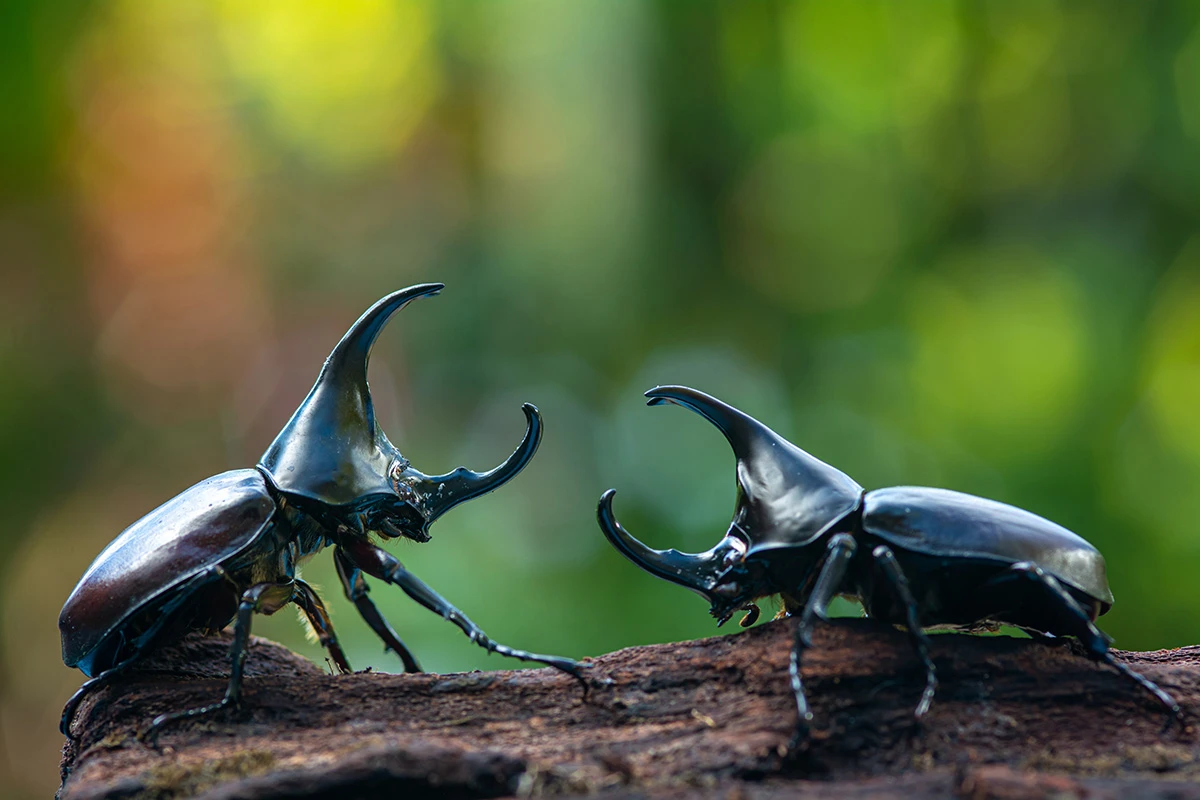
Rhinoceros beetles (subfamily Dynastinae) represent one of the most spectacular groups within the order Coleoptera, characterized by impressive body size, pronounced sexual dimorphism, and the presence of elaborate horn-like projections on the head and pronotum of males. These beetles are members of the family Scarabaeidae, sharing ancestry with dung beetles, chafers, and other scarab groups, but distinguished by their unique morphological adaptations and ecological roles.
Taxonomic Position: Order Coleoptera, Superfamily Scarabaeoidea, Family Scarabaeidae, Subfamily Dynastinae
Common Names: Rhinoceros beetles, Hercules beetles, Elephant beetles, Horn beetles
Species Diversity: Approximately 1,500 described species in over 225 genera
Geographic Range: Worldwide distribution in tropical and temperate regions
Book novelties:
Prioninae of the World I.
Cerambycidae of the Western Paleartic I.
-
 The Tiger Beetles BundleProduct on saleOriginal price was: $297.00.$229.00Current price is: $229.00.
 -
 The Prionids Collection BundleProduct on saleOriginal price was: $149.00.$91.00Current price is: $91.00.
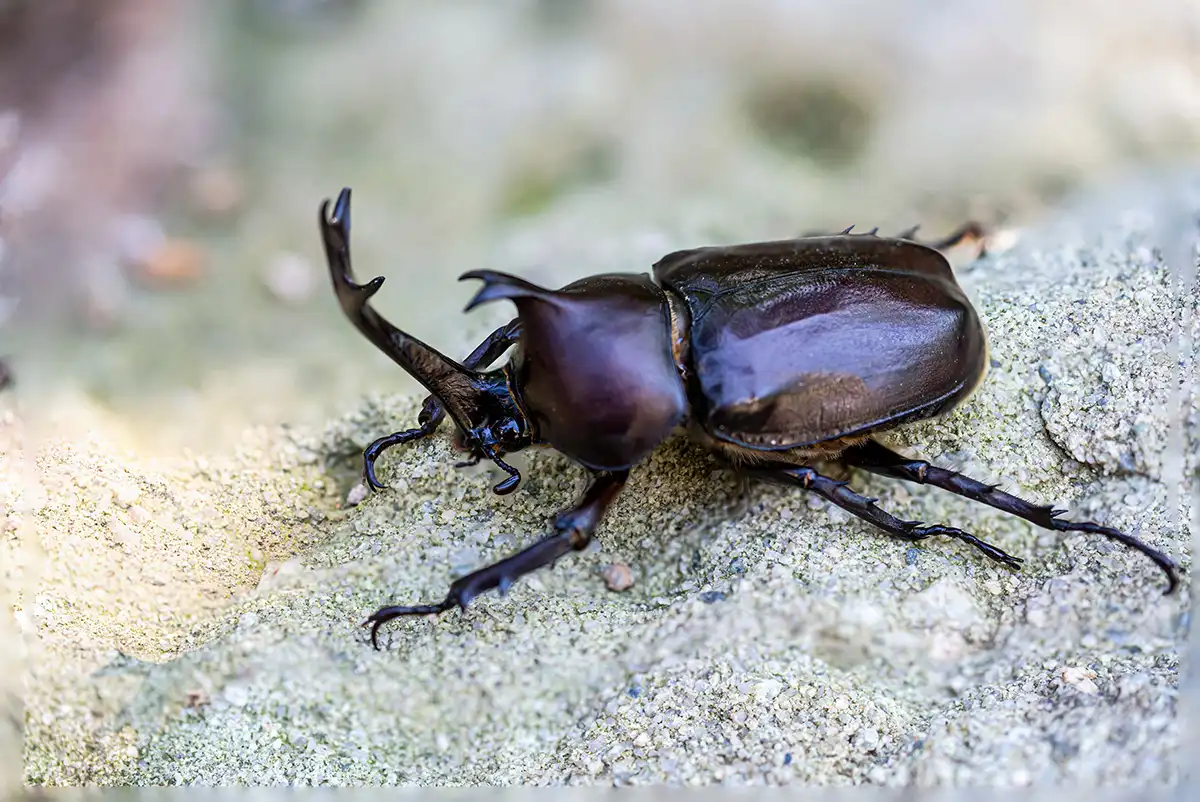
The defining characteristic of rhinoceros beetles is the presence of horns or horn-like processes, which occur primarily in males and exhibit remarkable interspecific variation in form, size, and complexity. These structures range from simple projections to elaborate branched formations, with the most spectacular examples found in genera such as Dynastes, Megasoma, and Chalcosoma. The horns function primarily in male-male combat over access to females and feeding sites, representing classic examples of sexually selected weaponry in insects.
Size variation within Dynastinae is considerable, with adult body length ranging from approximately 25 mm in smaller species to over 170 mm in the largest representatives. The subfamily includes some of the heaviest insects on Earth, with certain Megasoma and Golofa species achieving masses exceeding 100 grams in larval stages. This gigantism, combined with their robust build and striking appearance, has made rhinoceros beetles popular subjects for scientific study and enthusiast interest.
The morphology of rhinoceros beetles reflects adaptations for their ecological roles as decomposers and consumers of plant materials. The robust body form provides protection and structural support for the powerful muscles required for digging and combat. Strong, digging legs with prominent tarsal claws facilitate movement through soil and organic substrates. The elytra (hardened forewings) are typically smooth or sculptured, providing protection for the membranous hindwings and soft abdomen.
Taxonomic Diversity
The subfamily Dynastinae encompasses remarkable diversity organized into several tribes and numerous genera. Major tribes include Dynastini, Oryctini, Pentodontini, and Phileurini, among others. Well-known genera include:
- Dynastes – Including the famous Hercules beetle and other large New World species
- Megasoma – Elephant beetles of Central and South America
- Chalcosoma – Atlas beetles and allies from Southeast Asia
- Oryctes – Rhinoceros beetles with worldwide tropical distribution
- Golofa – Long-horned beetles from the Neotropics
- Xylotrupes – Widespread in Indo-Pacific region
How to Identify Rhinoceros Beetles
Identifying rhinoceros beetles to subfamily level is generally straightforward due to their distinctive morphology, though species-level identification can be challenging and often requires examination of male genital structures and detailed morphological characters. The following diagnostic features characterize Dynastinae and aid in their identification.
Wikipedia
Subfamily-Level Characteristics
Members of Dynastinae can be recognized by the following combination of characters: robust, convex body form; presence of horns or tubercles on the head and/or pronotum in males (females typically lack horns or possess reduced versions); antennae with ten segments including a three-segmented club composed of lamellae that can be opened and closed; tarsal formula 5-5-5 with all tarsi bearing paired claws; abdomen with six visible sternites; absence of the pygidium being visible from above in most species.
The mandibles are typically short and robust, adapted for grasping and cutting plant material rather than the more elongate forms seen in some related scarab groups. The labrum is usually visible from above and not concealed beneath the clypeus. The pronotum is convex and often bears sexually dimorphic structures in males.
Sexual Dimorphism
Sexual dimorphism is pronounced in most rhinoceros beetle species, with males bearing elaborate horns while females typically lack these structures or possess only small tubercles or ridges. Male horns show tremendous variation in form:
- Cephalic horns: Arising from the head, ranging from simple projections to elaborate Y-shaped or branched structures
- Pronotal horns: Arising from the pronotum, often forming opposition surfaces for cephalic horns during male combat
- Combined systems: Many species possess both cephalic and pronotal horns forming pincer-like arrangements
Females generally have smoother head and pronotal surfaces, though they may possess small tubercles or ridges in the positions corresponding to male horn development. Body size in females is often smaller than in males of the same species, though this varies taxonomically.
Size and Coloration
Size variation both within and among species is considerable. Small species may measure only 25-30 mm in total length, while the largest species exceed 170 mm including horns. Color patterns range from uniform black, brown, or reddish-brown in most species, to striking patterns in others. Some Dynastes species exhibit yellow or greenish elytra with contrasting black markings. Surface texture varies from smooth and shining to densely pubescent or covered with microscopic setae.
Larval Identification
Rhinoceros beetle larvae are typical scarabaeiform grubs: C-shaped, robust, with well-developed head capsule, thoracic legs, and enlarged posterior segments. They can be distinguished from related scarab larvae by details of head structure, spiracle arrangement, and raster patterns (the arrangement of setae and spines on the posterior abdominal segments). Larvae of different instars can be separated by head capsule width measurements.
Occurrence and Main Habitats
Rhinoceros beetles exhibit a cosmopolitan distribution in tropical, subtropical, and warm temperate regions worldwide, with greatest diversity in tropical forests. Their distribution reflects both historical biogeography and the availability of their primary larval resource: decaying organic matter in various forms.
Geographic Distribution
The subfamily occurs on all continents except Antarctica, with representation on most major islands and archipelagos within suitable climatic zones. Diversity centers exist in several regions:
Neotropical Region: South and Central America harbor exceptional diversity, including the largest species in genera such as Dynastes, Megasoma, and Golofa. Amazonian rainforests support particularly rich assemblages.
Oriental and Indo-Malayan Region: Southeast Asia, including Indonesia, Malaysia, Thailand, and surrounding areas, supports high diversity with numerous endemic genera and species. This region includes impressive species of Chalcosoma and Xylotrupes.
Afrotropical Region: Africa supports diverse rhinoceros beetle faunas, though generally with smaller species than in the Neotropics or Oriental regions. Oryctes is particularly well-represented.
Nearctic Region: North America supports fewer species than tropical regions, with representatives including Dynastes tityus in eastern forests and several Xyloryctes species in western regions.
Palearctic Region: Europe and temperate Asia have limited diversity, with Oryctes nasicornis being a familiar example in Europe.
Australasian Region: Australia and Pacific islands support endemic genera and species adapted to local conditions.
Habitat Preferences
While adult and larval habitat requirements differ significantly, rhinoceros beetles are fundamentally associated with habitats providing abundant decaying organic matter for larval development. Primary habitat types include:
Tropical Rainforests: These forests support the highest diversity of rhinoceros beetles. The combination of high temperatures, humidity, and abundant organic matter from fallen trees, decaying wood, and accumulating leaf litter creates optimal conditions. Both canopy and forest floor harbor different species with varied ecological requirements.
Tropical and Subtropical Woodlands: Seasonally dry forests and woodlands support adapted species that can tolerate periodic dryness and temperature fluctuations. These habitats often support lower diversity than evergreen rainforests but may harbor locally abundant populations.
Agricultural Landscapes: Many rhinoceros beetle species have adapted to human-modified landscapes, utilizing compost heaps, manure piles, mulch, and other anthropogenic organic matter accumulations. Some species, particularly in genus Oryctes, have become agricultural pests by attacking crops.
Palm Plantations and Groves: Dead and dying palm trees provide important larval habitat for some species. Oryctes rhinoceros, the coconut rhinoceros beetle, is a significant pest in coconut plantations throughout its range.
Temperate Forests: In temperate regions, rhinoceros beetles are less diverse but locally common, with larvae developing in decaying hardwood logs, stumps, and humus-rich soils.
Microhabitat Requirements
Specific microhabitat preferences vary among species but generally include sites with:
- Abundant decaying wood, particularly heartwood of dead standing or fallen trees
- Rich organic humus in advanced stages of decomposition
- Sawdust and wood chip accumulations
- Compost heaps and manure piles in agricultural settings
- Rotting root systems of dead trees
- Accumulations of decaying plant material in tree holes and palm crowns
Lifestyle and Behavior
Rhinoceros beetles exhibit diverse behavioral patterns reflecting their ecological roles, with notable differences between larval and adult stages. Understanding their lifestyle requires examination of feeding behavior, activity patterns, reproductive strategies, and intraspecific interactions.
Adult Activity Patterns
Most rhinoceros beetle species are nocturnal, with adults emerging from daytime refuges at dusk to engage in feeding, mating, and dispersal activities. Nocturnal activity reduces exposure to visual predators and coincides with optimal temperature and humidity conditions in many habitats. Adults are attracted to lights, a behavior that has facilitated collection for scientific study and contributed to understanding of distribution patterns.
Flight capability varies among species but is generally well-developed, allowing dispersal to new habitats and location of mates and feeding sites. Despite their large size and seemingly unwieldy horns, many species are strong, capable fliers. The buzzing sound produced during flight is characteristic and results from rapid wing beats necessary to sustain flight of these heavy insects.
Male Combat and Mating Behavior
Male rhinoceros beetles engage in ritualized combat for access to females and preferred feeding sites. These contests involve use of the horns to lift, pry, and throw opponents, with battles occurring on tree trunks, branches, and other substrates where beetles aggregate. Combat follows predictable patterns: males approach each other, engage horns, and attempt to gain leverage to dislodge the opponent. Contests may last from seconds to several minutes, with larger males possessing longer horns generally winning encounters.
Horn morphology correlates with fighting tactics, with species exhibiting different horn shapes employing different combat strategies. Despite the violent appearance of these battles, physical damage is generally minimal due to the robust exoskeleton, and losers typically retreat without injury.
Mating occurs at feeding sites or after males successfully defend territories. Courtship is generally brief, with males mounting females and copulation proceeding with minimal apparent interaction beyond physical coupling. Females mate multiply in many species, though detailed mating system studies exist for only a subset of taxa.
Territoriality and Aggregation
Many species exhibit resource-based territoriality, with males defending feeding sites that attract females. Tree sap flows, rotting fruit concentrations, and other rich food sources become focal points for aggregations and male-male competition. The combination of concentrated resources and female attraction to these sites creates opportunities for male mate-guarding and territorial behavior.
Defensive Behaviors
When threatened, rhinoceros beetles employ several defensive strategies. The robust exoskeleton provides primary protection against most predators. Many species produce hissing or squeaking sounds by rubbing body parts together (stridulation), potentially startling predators or warning conspecifics. Some species remain motionless when disturbed, relying on their armored construction and cryptic coloration. Others may use their horns defensively, though this is secondary to their primary function in male combat.
Larval Behavior
Larvae are sedentary, spending their entire developmental period within or near their food substrate. Movement is limited and primarily involves feeding within the substrate and occasional repositioning to fresh food sources. Larvae create characteristic chambers and tunnels in their substrate, with feeding activity producing frass (fecal pellets) that accumulates in galleries.
Social behavior in larvae is generally absent, though high densities in favorable substrates result in aggregations that may influence development rates through substrate conditioning or resource depletion. Cannibalism is rare but may occur when larvae encounter each other in confined spaces.
Food and Role in the Ecosystem
Rhinoceros beetles play important ecological roles as decomposers and consumers of plant materials, with different life stages occupying distinct ecological niches. Their feeding activities contribute significantly to nutrient cycling and energy flow in the ecosystems they inhabit.
Larval Feeding Ecology
Larvae are saprotrophic, feeding exclusively on dead and decaying plant materials. The primary food sources include:
- Decaying wood: Larvae consume rotting heartwood of dead trees, particularly in advanced stages of decay where fungal action has partially broken down structural compounds. Different species show preferences for particular tree species or decay stages.
- Organic humus: Well-decomposed plant material in forest floors, compost heaps, and similar accumulations provides food for many species.
- Decomposing plant matter: Rotting roots, fallen palm fronds, leaf litter, and other plant debris in various stages of decay.
- Agricultural byproducts: Sawdust, wood chips, manure mixed with plant material, and compost provide food in human-modified environments.
Larval feeding involves mandibular chewing of substrate, digestion aided by gut microorganisms including bacteria and fungi, and excretion of processed material as frass. The gut microbiome plays crucial roles in breaking down recalcitrant plant compounds including cellulose and lignin. Research has identified diverse bacterial and fungal communities in rhinoceros beetle larval guts, though the specifics vary among species and substrates.
Larvae require extended periods (typically one to three years, varying by species and environmental conditions) to accumulate sufficient resources for metamorphosis and adult development. The feeding activity of high-density larval populations can significantly accelerate decomposition of dead wood and organic matter.
Adult Feeding Ecology
Adult rhinoceros beetles feed on sugary liquids and soft plant tissues. Primary food sources include:
- Tree sap and exudates: Sap flows from wounds in living trees attract numerous individuals. The high sugar content provides rapid energy for flight, reproduction, and other energetically expensive activities.
- Fermenting fruit: Overripe and rotting fruit, particularly fallen fruits on forest floors, provide concentrated sugar sources.
- Nectar and plant fluids: Some species visit flowers or feed on plant juices.
- Palm tissue: Certain species, particularly pest species in genus Oryctes, bore into palm crowns to feed on tender growing tissues.
Adult feeding mechanisms involve mandibular processing of food sources and liquid uptake. The mouthparts are adapted for scraping and crushing plant material to release fluids, though they are not as specialized as the elongate feeding tubes seen in some other insect groups.
Ecosystem Roles
Decomposition and Nutrient Cycling: Larvae play crucial roles in breaking down dead wood and organic matter, accelerating decomposition and facilitating nutrient release. Their feeding activity fragments substrate, increasing surface area available for microbial colonization and further decomposition. The incorporation of processed material into soil as frass contributes to soil formation and nutrient cycling.
Soil Modification: Larval tunneling activities aerate substrates and modify soil structure. In some habitats, high densities of larvae significantly influence soil physical properties and organic matter distribution.
Food Web Dynamics: Rhinoceros beetles serve as prey for numerous predators including birds, mammals, reptiles, and other arthropods. Larvae are consumed by various vertebrate predators that excavate them from rotting wood. Adults are taken by bats, birds, and terrestrial predators. The substantial biomass represented by large rhinoceros beetle populations contributes significantly to energy transfer in food webs.
Microhabitat Creation: Larval feeding creates chambers and tunnels that subsequently become habitat for other organisms, including other insects, mites, and microorganisms. These structures persist after beetle development and contribute to habitat complexity in rotting wood.
Pest Species
While most rhinoceros beetles are ecologically beneficial, several species have become agricultural pests. Oryctes rhinoceros, the coconut rhinoceros beetle, is a significant pest throughout its range in the Indo-Pacific region, with adults boring into palm crowns and causing damage that can kill trees or reduce productivity. Other pest species damage various crops or attack stored products. Management of pest species requires understanding of their biology and ecology to develop effective, sustainable control strategies.
Life Cycle
Rhinoceros beetles undergo complete metamorphosis (holometabolous development) with four distinct life stages: egg, larva, pupa, and adult. The duration and specifics of development vary considerably among species and are influenced by environmental conditions including temperature, humidity, and food quality.
Egg Stage
After mating, females deposit eggs into suitable substrate, typically decaying wood, compost, or other organic matter that will provide food for hatching larvae. Oviposition behavior varies among species; some females burrow deeply into substrate to deposit eggs in chambers, while others lay eggs near the surface or in crevices in decaying material.
Eggs are oval, cream to white colored, and relatively large compared to eggs of many insects, reflecting the large ultimate size of larvae and adults. Egg size varies among species but typically measures 3-5 mm in length. The chorion (egg shell) is relatively tough, providing protection during the egg period.
Egg development duration depends on temperature and typically ranges from 10-30 days. Warmer conditions accelerate development while cooler temperatures extend the egg period. Embryonic development is direct, with the larva developing within the egg and hatching when ready.
Larval Stage
The larval stage represents the growth and feeding period of development. Rhinoceros beetle larvae are scarabaeiform grubs: C-shaped, robust, with well-sclerotized head capsule, functional thoracic legs, and enlarged posterior body segments. Coloration is typically cream to white, though the contents of the gut (visible through the translucent cuticle) may impart yellowish or brownish tones.
Larval development proceeds through three instars (in most species), with each instar separated by a molt. Head capsule width increases with each molt and provides a reliable indicator of instar. First instar larvae are small (typically 5-15 mm in length) and grow substantially through successive molts. Third instar larvae of large species can exceed 100 mm in length and weigh over 100 grams, representing some of the largest insect larvae in existence.
The duration of larval development varies tremendously among species and environmental conditions. Small temperate species may complete larval development in several months, while large tropical species may require two to three years or more. Temperature, food quality, and moisture all influence development rates. Larvae grow continuously within each instar, accumulating biomass and nutrients that will be utilized during metamorphosis and adult life.
Third instar larvae eventually cease feeding and enter a pre-pupal phase characterized by gut evacuation and behavioral changes. The larva constructs a pupal chamber in the substrate, using substrate material, frass, and secretions to create a protective cell. Chamber construction is species-specific, with some species creating simple chambers while others construct elaborate, thick-walled structures.
Pupal Stage
Pupation occurs within the pupal chamber. The final larval molt produces the pupa, which initially appears soft and pale but gradually sclerotizes and darkens. The pupa is an exarate type (free appendages not fused to body), with legs, antennae, wings, and other adult structures visible and free from the body. In males, the horns are visible on the pupal head and pronotum, though they are soft and undeveloped compared to their final adult form.
Pupal coloration progresses from initial cream or white through yellowish tones to brown as sclerotization proceeds. The developing adult can be seen forming within the pupal cuticle during later stages of pupal development.
Pupal duration typically ranges from 3-8 weeks depending on species and temperature. The pupa is vulnerable to disturbance and desiccation, relying on the pupal chamber for protection. As pupal development completes, the final adult structures form and sclerotize.
Adult Emergence and Teneral Period
The fully formed adult molts from the pupal cuticle (eclosion) within the pupal chamber. The newly emerged adult (teneral adult) is soft, pale, and vulnerable. Over several days to weeks, the exoskeleton hardens through sclerotization and develops its final coloration. During this teneral period, the adult remains within the pupal chamber or emerges to nearby protected locations.
Once fully hardened and colored, the adult becomes active and begins normal adult behaviors including feeding, mating, and dispersal. Adults emerge from the substrate by digging upward through the soil or organic matter, a process that may take hours or days depending on depth and substrate characteristics.
Adult Longevity
Adult lifespan varies considerably among species and environmental conditions. In many species, adults live for several months, with some individuals surviving for six months or more under favorable conditions. Temperate species may exhibit synchronized emergence timed to favorable seasons, with adults active during warm months and dying as cold weather approaches. Tropical species may have less synchronized emergence and extended adult activity periods.
Adult longevity is influenced by resource availability, environmental conditions, predation, and physiological factors. Females generally invest heavily in egg production, which may reduce longevity compared to males. The large size and robust construction of rhinoceros beetles generally confers resistance to many mortality factors that affect smaller insects.
Voltinism and Seasonal Patterns
The number of generations per year (voltinism) varies among species and climates. Most rhinoceros beetles are univoltine or require multiple years to complete development, particularly large tropical species with extended larval periods. Temperate species often synchronize their life cycles with seasonal patterns, emerging as adults during favorable periods. Tropical species in stable environments may have overlapping generations with continuous breeding.
Bionomics – Mode of Life
The bionomics of rhinoceros beetles encompasses their complete biological functioning within ecological contexts. Understanding how these insects interact with their environment, other organisms, and physical factors provides comprehensive insight into their role in nature.
Habitat Selection and Colonization
Rhinoceros beetles locate suitable habitats through a combination of visual cues, olfactory detection, and possibly other sensory modalities. Adults seeking oviposition sites are attracted to odors associated with decaying wood and plant material. The specific volatile compounds that serve as attractants vary among species but generally include products of microbial fermentation and wood decay.
Habitat quality significantly influences population dynamics. Sites with abundant, high-quality substrate (appropriate decay stage, moisture content, and nutritional value) support higher densities and produce larger adults than suboptimal sites. Females appear capable of assessing substrate quality and preferentially oviposit in favorable locations.
Temperature and Moisture Requirements
As ectothermic organisms, rhinoceros beetles are profoundly influenced by temperature. Development rates accelerate with increasing temperature within species-specific thermal tolerance ranges. Each developmental stage has optimal temperature ranges that maximize survival and growth. Extreme temperatures cause mortality or developmental abnormalities.
Moisture is equally critical, particularly for larvae developing in organic substrates. Larvae require high humidity to prevent desiccation, with most species preferring moist but not waterlogged conditions. Substrate moisture content influences feeding efficiency, growth rates, and survival. Adults also require adequate humidity, though they are less moisture-dependent than larvae.
Interactions with Microorganisms
Rhinoceros beetle larvae harbor complex gut microbial communities that facilitate digestion of recalcitrant plant materials. These symbiotic bacteria and fungi produce enzymes that break down cellulose, hemicellulose, and lignin, making nutrients available to the host. The composition of gut microbiomes varies among species and is influenced by diet and developmental stage.
External microorganisms, particularly fungi, play crucial roles in conditioning larval food substrates. Fungal colonization of dead wood partially breaks down structural compounds and may enhance nutritional value. Some evidence suggests larvae may cultivate or preferentially feed on fungally colonized substrate, though the extent and specificity of these relationships requires further research.
Predator-Prey Relationships
Rhinoceros beetles face predation throughout their life cycle. Eggs and early instar larvae are vulnerable to various soil-dwelling predators including predatory beetle larvae, ants, and other arthropods. Later instar larvae, despite their large size, are consumed by vertebrate predators including wild pigs, bears, and other mammals that excavate them from rotting wood. Birds, particularly woodpeckers and corvids, may excavate larvae from accessible substrates.
Adult beetles are preyed upon by bats during nocturnal flights, birds during diurnal encounters, and various terrestrial predators. The robust exoskeleton provides substantial protection, but determined predators can breach these defenses. Some predators specialize on rhinoceros beetles, developing techniques for accessing vulnerable body parts or waiting for beetles in vulnerable situations.
Parasites and Pathogens
Rhinoceros beetles host various parasites and pathogens. Mites are common ectoparasites, with some species specifically associated with rhinoceros beetles. Nematode parasites infect some species, potentially influencing behavior or reducing fitness. Parasitoid wasps and flies attack some species, though this seems less common than in many other insect groups, perhaps due to the beetles’ large size and protective substrate use during vulnerable life stages.
Fungal, bacterial, and viral pathogens cause disease and mortality in both larvae and adults. Entomopathogenic fungi can cause significant mortality in dense larval populations. One virus, Oryctes rhinoceros nudivirus, has been utilized as a biological control agent against the coconut rhinoceros beetle, demonstrating the potential of pathogens in managing pest populations.
Distribution
The global distribution of Dynastinae reflects both historical biogeographical patterns and contemporary ecological constraints. Understanding distribution patterns requires consideration of multiple spatial scales, from global to local, and recognition of the factors that limit or facilitate occurrence in different regions.
Global Distribution Patterns
Rhinoceros beetles occur across tropical, subtropical, and warm temperate regions worldwide, with the notable exception of Antarctica and most oceanic islands lacking suitable habitat or too remote for natural colonization. The distribution is not uniform, with distinct diversity centers and areas of endemism reflecting evolutionary history and environmental conditions.
The highest species diversity occurs in tropical regions, particularly in areas with extensive forest coverage and high annual rainfall. Tropical rainforests support the greatest diversity and include the largest species. Diversity generally decreases with increasing latitude and decreasing temperature, though some temperate regions support locally diverse assemblages adapted to seasonal climates.
Regional Endemism and Biogeography
Many rhinoceros beetle species exhibit restricted distributions, with endemism at various scales from single mountain ranges to broader regions. Island faunas are particularly notable for endemism, with numerous species restricted to single islands or island groups. This pattern reflects both isolation promoting speciation and extinction of populations in smaller, more vulnerable island ecosystems.
Biogeographical patterns reflect both ancient vicariance events (separation of populations by geological processes) and more recent dispersal. The distribution of some genera suggests Gondwanan origins with subsequent evolution in isolated landmasses. Other patterns reflect more recent dispersal capabilities and colonization events.
Elevational Distribution
Within regions, rhinoceros beetles exhibit elevational zonation reflecting temperature, humidity, and vegetation gradients. Different species occupy different elevational zones, with some restricted to lowlands, others to montane forests, and some distributed across broad elevational ranges. Temperature constraints generally limit distribution of tropical species at high elevations, while moisture requirements may limit occurrence in arid lowlands.
Habitat-Specific Distribution
Local distribution patterns reflect microhabitat availability. Rhinoceros beetles occur where suitable larval substrates (decaying wood, organic matter) and adult resources (sap flows, fruit) are available. Forest type, tree species composition, and dead wood abundance influence local occurrence and abundance. Human modification of landscapes has altered distributions, with some species declining due to habitat loss while others have expanded or adapted to anthropogenic habitats.
Dispersal and Colonization
Adult flight capability allows dispersal across landscapes, with dispersal distances varying among species. Strong fliers can colonize new habitats over considerable distances, while weaker fliers may have more limited dispersal ranges. Attraction to lights has facilitated documentation of dispersal capabilities, with individuals sometimes appearing far from known breeding sites.
Human activities have influenced distributions through both intentional and accidental introductions. Some species have established in regions outside their native ranges through transport in cargo, plant material, or deliberate release. The coconut rhinoceros beetle, Oryctes rhinoceros, has been introduced to numerous Pacific islands where it was not native, causing significant agricultural and ecological impacts.
Main Scientific Literature Citing
The scientific literature on rhinoceros beetles spans taxonomic descriptions, ecological studies, behavioral research, and applied investigations related to pest management. The following represents key literature sources and research directions, though this list is necessarily selective given the extensive body of work on this group.
Foundational Taxonomic Works
Taxonomic understanding of Dynastinae has developed through numerous systematic revisions and descriptive works. Major contributions include comprehensive treatments of regional faunas, generic revisions, and species descriptions. Important early works established the subfamily’s classification and documented global diversity, while contemporary research continues to refine phylogenetic relationships and species boundaries using both morphological and molecular data.
Arrow, G. J. published important early works on scarab beetles including rhinoceros beetles, providing foundational taxonomic treatments. Endrödi, S. produced comprehensive catalogs and systematic treatments of Dynastinae that remain valuable reference works. More recent authors have contributed regional revisions and phylogenetic analyses that clarify evolutionary relationships within the subfamily.
Morphological and Developmental Studies
Research on horn development and sexual dimorphism has revealed the developmental mechanisms underlying these spectacular structures. Studies of horn allometry (the relationship between horn size and body size) have shown that horns exhibit positive allometry, growing disproportionately in larger individuals. This pattern results from threshold-dependent development influenced by nutritional condition during larval growth.
Emlen, D. J. and colleagues have extensively studied horn development in Onthophagus dung beetles and applied these insights to rhinoceros beetles, elucidating the endocrine regulation of alternative morphologies and the evolution of exaggerated traits. These studies have broader implications for understanding sexual selection and phenotypic plasticity in development.
Behavioral Ecology
Studies of male combat behavior have documented fighting strategies, horn function, and mating systems in various species. Research has shown that horn morphology correlates with fighting tactics and that larger males with longer horns generally win contests. Video analysis of combat sequences has revealed the biomechanics of horn use and the relatively low risk of injury despite violent-appearing battles.
McCullough, E. L. and colleagues have investigated biomechanical aspects of horn function, demonstrating how horn morphology influences fighting performance and how scaling relationships affect combat effectiveness at different body sizes.
Ecology and Life History
Ecological studies have examined larval substrate preferences, development times, adult feeding behavior, and population dynamics. Research has shown that substrate quality significantly influences development rates, adult size, and survival. Temperature and moisture effects on development have been quantified for several species, providing insights into how climate influences distribution and abundance.
Studies of larval gut microbiomes have revealed diverse bacterial and fungal communities that facilitate digestion of recalcitrant plant materials. This research has implications for understanding symbioses in herbivorous insects and potential biotechnology applications of lignocellulolytic enzymes.
Pest Management and Applied Research
Significant research has focused on pest species, particularly Oryctes rhinoceros. Studies have examined population dynamics, damage assessment, and control strategies including biological control using the Oryctes nudivirus. This research has practical applications for protecting palm crops and preventing spread to new areas.
Bedford, G. O. and colleagues have extensively studied the coconut rhinoceros beetle and its virus pathogen, documenting the effectiveness of biological control and factors influencing population regulation.
Conservation Biology
Some rhinoceros beetle species have become conservation concerns due to habitat loss and collection pressure. Research has assessed population status, habitat requirements, and threats to vulnerable species. Studies of habitat fragmentation effects and population viability in modified landscapes inform conservation planning.
Phylogenetics and Evolution
Molecular phylogenetic studies have clarified evolutionary relationships within Dynastinae and between this subfamily and related scarab groups. These studies have revealed patterns of diversification, identified cryptic species, and provided frameworks for understanding trait evolution including horn development and body size evolution.
Ahrens, D. and colleagues have contributed to understanding scarab beetle phylogeny using molecular markers, resolving relationships that were unclear from morphology alone and providing temporal frameworks for understanding diversification.
Key Research Themes
Current research directions include:
- Phylogenomics and species delimitation using high-throughput sequencing
- Developmental genetics of horn formation and sexual dimorphism
- Functional morphology and biomechanics of horns and combat
- Gut microbiome composition and function in lignocellulose digestion
- Climate change impacts on distribution and phenology
- Conservation genetics of threatened species
- Biological control of pest species
- Bioprospecting for enzymes and bioactive compounds
The extensive scientific literature on rhinoceros beetles reflects both their intrinsic biological interest and their practical significance as pests, decomposers, and model organisms for studying evolution and development. Continued research promises further insights into their biology and contributions to broader understanding of insect ecology, evolution, and biodiversity.
Conclusion
Rhinoceros beetles represent one of the most spectacular and scientifically significant groups within Coleoptera. Their impressive size, elaborate sexual dimorphism, and important ecological roles have made them subjects of extensive research and widespread popular interest. Understanding these beetles requires integration of knowledge from taxonomy, ecology, behavior, physiology, and evolution.
The diversity of Dynastinae, with approximately 1,500 described species distributed globally in suitable habitats, reflects successful adaptation to life as decomposers of plant materials. Their life history, with extended larval development in decaying substrates and adult emergence for reproduction and dispersal, exemplifies successful exploitation of a fundamental ecological niche. The evolution of exaggerated male horns through sexual selection demonstrates the power of reproductive competition in shaping morphology.
From ecological perspectives, rhinoceros beetles contribute substantially to nutrient cycling and energy flow in the ecosystems they inhabit. Their role in decomposing dead wood and organic matter accelerates nutrient release and soil formation. They serve as prey for numerous predators and host various parasites, integrating into complex food webs. While most species are beneficial, some have become agricultural pests requiring management.
Conservation concerns affect some species, particularly those with restricted distributions or specialized habitat requirements. Habitat loss threatens populations, and collection pressure affects some spectacular species. Understanding biology and ecology is essential for developing effective conservation strategies and sustainable management of both beneficial and pest species.
Future research will continue to reveal insights into rhinoceros beetle biology, from molecular mechanisms of development to ecosystem-level effects of their activities. These remarkable insects will undoubtedly continue to fascinate scientists and enthusiasts while contributing to broader understanding of insect diversity, evolution, and ecology.